

Parts for Sieves, Feeders and Conveying Lines
Vibrating screen parts are the wear and drive components that keep a sieve working: springs, vibration motors, screen mesh, cleaning balls and test sieves. Sanyuantang supplies replacement parts for rotary and linear vibrating screens, with support for feeders and conveyors in the same production line.
Send your machine model, a nameplate photo, or a drawing of the worn part. We will review the dimensions and operating conditions before recommending a replacement.
Springs · Vibration motors · Wire mesh · Cleaning balls · Test sieves · Feeder and conveyor parts
Which Vibrating Screen Part Do You Need?
Most replacement enquiries start with a symptom. Use these signs to narrow the inspection; the same symptom can have several causes.
| What you see | Parts to inspect | Find the category |
|---|---|---|
| Uneven vibration, bouncing, or contact with the base | Springs, mounting points and load distribution | Springs |
| Unusual motor noise, overheating or lost amplitude | Motor bearings, eccentric weights and fasteners | Vibration motors |
| Blinded apertures and lower throughput | Mesh condition and cleaning balls | Cleaning balls |
| Oversize material in the finished product | Mesh tears, aperture size and frame sealing | Wire mesh |
| Particle size distribution needs checking | Test sieve condition and aperture series | Test sieves |
| Unstable feed ahead of the screen | Feeder springs, filters, screws or valve components | Feeder and conveyor parts |
Shop Vibrating Screen Parts by Type
Springs for Vibrating Screens
Springs support the screen box and influence its motion. Free height, outer diameter, mounting dimensions and working load all matter when matching a replacement.
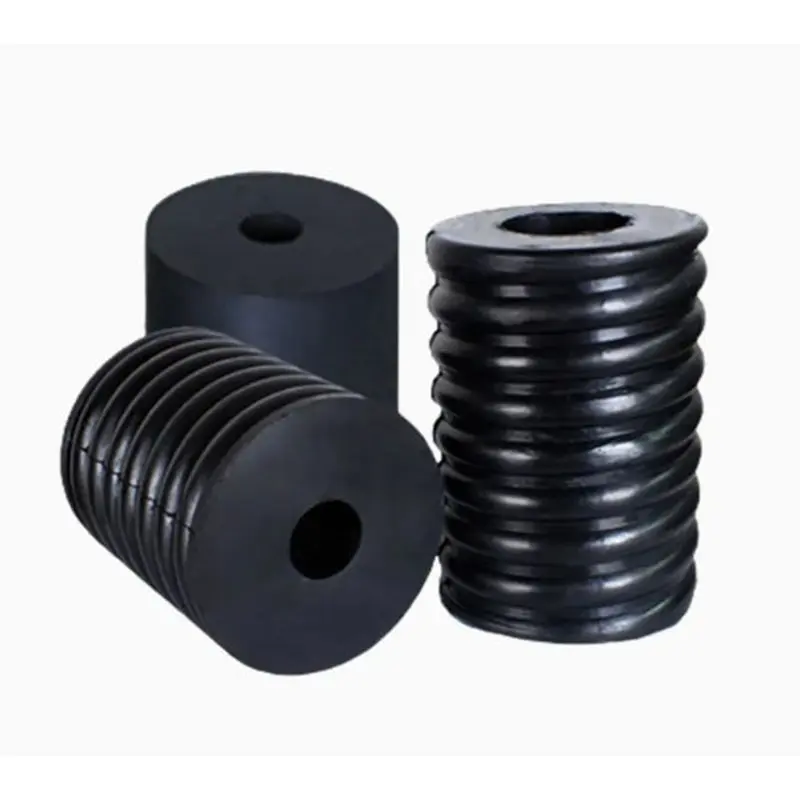
Rubber Springs
Rubber springs provide vibration isolation and noise damping. Confirm the unloaded height, outside and inside diameters, mounting arrangement, operating temperature and load. Material compatibility matters where cleaning agents or process chemicals are present.
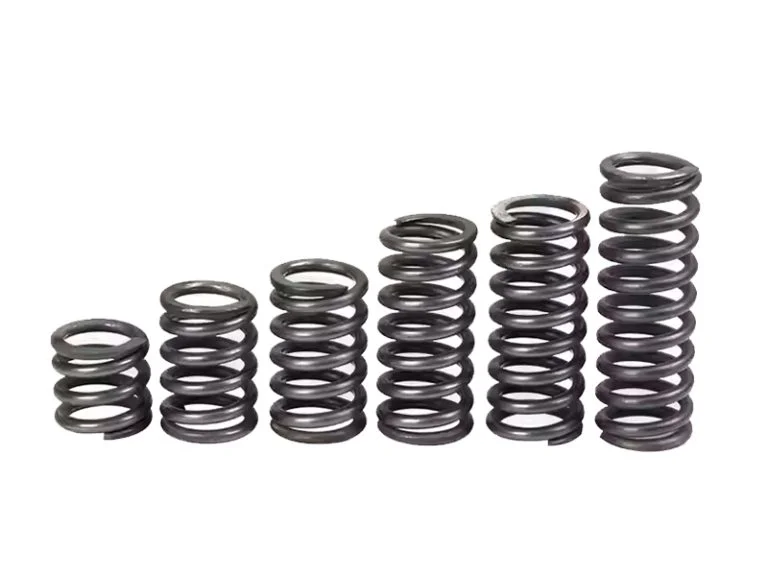
Steel Coil Springs
Steel springs support vibrating screens and feeders in a range of duties. Send free height, coil diameter, wire diameter, coil count and end details. Match the spring specification to the machine load; a similar appearance alone does not confirm a fit.
Vibration Motors: YZS and Vertical Types
A vibration motor combines a motor with eccentric weights. The motor rating, weight setting and mounting arrangement must suit the screen structure.
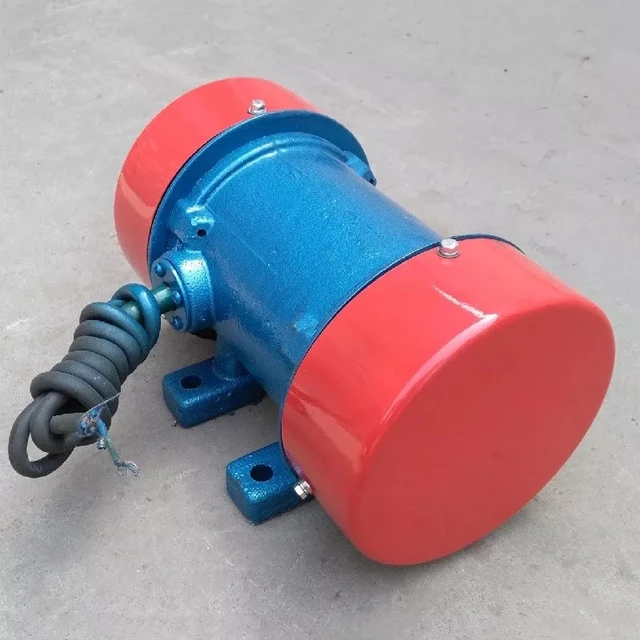
YZS Vibration Motors
Horizontal vibration motors are used on suitable linear and other vibrating equipment. Send the nameplate power, voltage, frequency, speed or pole count, exciting force and mounting-hole dimensions. Confirm the required rotation and paired-motor arrangement where applicable.
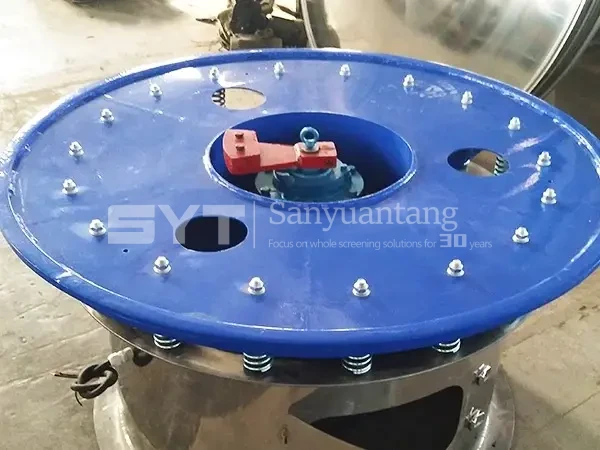
Vertical Vibration Motors
Vertical motors are used on rotary vibrating screens to generate the required screening motion. Match the flange, shaft arrangement, power supply and eccentric-weight configuration. Record the existing setting before service and follow the machine manual when adjusting it.

Fine Stainless Steel Wire Mesh
The mesh performs the separation, so aperture size, wire diameter and open area affect the finished product. Options include stainless grades 304, 304L, 316 and 316L, with weave and frame details selected for the application.
Grade 304 is commonly used for general sieving. Corrosive materials or cleaning conditions may call for 316 or 316L; confirm the actual chemical exposure and process requirements before choosing.
Send the target aperture or mesh count, wire diameter, screen diameter or panel size, and fixing method: clamp ring, bonded frame or tensioned panel.

Screen Cleaning Balls
Cleaning balls sit below the mesh and bounce against its underside to dislodge particles from the apertures. They help reduce blinding where the screen design allows a ball-cleaning system.
Choose the ball material, hardness and diameter for the powder, temperature and cleaning method. Replace balls that have flat spots, a sticky surface or poor rebound. For food-contact applications, state the documentation required before ordering.
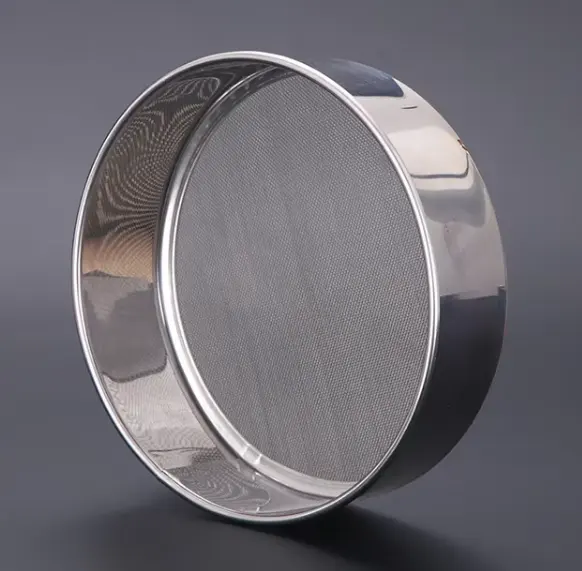
Sand and Laboratory Test Sieves
Test sieves help check particle size distribution in a laboratory or production quality-control process. The aperture series, frame diameter and test method need to match your procedure.
Specify the standard used by your laboratory, such as ISO 3310 or ASTM E11, and any inspection or calibration records you require. Confirm the applicable standard and available documentation with the quotation.
Feeder and Conveyor Parts
A screen depends on a steady material supply. Include upstream feeders and conveyors in your maintenance plan, and send the equipment model or a drawing so the availability and fit of replacement components can be checked.
Screw Conveyor Parts
Screw flights, shafts, liners, couplings and bearing housings are common inspection points. Provide screw diameter, pitch, shaft size, overall length and material of construction.
Vacuum Feeder Parts
Inspect filter cartridges, suction nozzles, seals and discharge valves when conveying performance falls. Send the feeder model, filter dimensions and powder characteristics.
Motor Vibrating Feeder Parts
Motors, support springs and trough liners must suit the feeder mass and duty. Include the motor nameplate, spring measurements and mounting details.
Electromagnetic Feeder Parts
Coils, leaf springs and trough liners are service components. Provide the model, supply voltage, controller details and a drawing or photographs of the assembly.
Rotary Feeder Valve Parts
Rotor assemblies, housing liners and shaft seals can wear with abrasive powders. Send rotor diameter, blade count, shaft size, clearances and process conditions.
Explore powder feeding equipment · View screw feeders with hoppers
Why Parts Wear and When to Replace Them
Inspect parts during a planned shutdown. Stop and isolate the equipment before inspection, and use the machine manual to determine service limits and safe maintenance procedures.
| Part | Common wear causes | Inspection signs | Effect on the line |
|---|---|---|---|
| Springs | Fatigue, chemical exposure or uneven loading | Sag, cracks or different free heights across a set | Uneven motion, knocking and frame contact |
| Vibration motor | Bearing wear, dust ingress or loose fasteners | Abnormal temperature trend, noise, trips or reduced amplitude | Unplanned stops and possible equipment damage |
| Wire mesh | Abrasion, chemical attack and vibration fatigue | Tears, distorted apertures or poor throughput after cleaning | Off-spec separation and product contamination |
| Cleaning balls | Surface wear and material degradation | Flat spots, sticky surface or reduced rebound | Faster mesh blinding and more cleaning stops |
| Test sieves | Rough handling, wear or aperture deformation | Visible damage or failure to meet the inspection method | Unreliable particle size results |
| Screw conveyor flights | Abrasion, corrosion or impact | Worn blade edges, deformation or reduced conveying performance | Uneven feed and higher drive load |
| Vacuum feeder filter | Dust buildup or plugged pores | Longer cycles, pressure changes or reduced flow | Poor material transfer and interrupted screen feed |
| Feeder springs | Fatigue or chemical exposure | Cracks, sag or an uneven support height | Drifting feed rate and unstable motion |
| Electromagnetic coil | Heat, electrical faults or insulation degradation | Burn marks, electrical readings outside the manual limits or poor response | Loss of controlled feed |
| Rotary valve rotor | Abrasion and impact damage | Worn blade tips, changed clearances or excessive leakage | Unstable conveying and inaccurate dosing |
A symptom is a reason to investigate, not a complete diagnosis. Check installation, material load, electrical conditions and the surrounding assembly before deciding which part to replace.
Checks That Matter Before a Replacement Is Approved
Different parts need different checks. Include the relevant requirements in your enquiry so they can be reviewed with the proposed replacement.
Spring Dimensions and Load
Compare free height, seating details and the specified working load. For rubber springs, include hardness and environmental requirements where known.
Motor Rating and Mounting
Match the electrical supply, rated speed, exciting force and mounting pattern. Check the weight arrangement against the machine documentation.
Mesh Aperture and Finish
Confirm aperture, wire diameter, weave and frame attachment. Inspect the edge finish and sealing arrangement to avoid damage and bypass.
Ball Material and Rebound
Match diameter and material to the tray and powder. Identify temperature, oil exposure and any food-contact requirements.
Test Sieve Standard
State the aperture series, frame size, inspection method and records required by your laboratory.
Feeder and Conveyor Fit
Use a dimensioned drawing or the old component as the reference. Confirm clearances, materials and mating parts before ordering.
Quality Assurance and Documentation
Tell us which material records, dimensional inspection reports, motor test information or sieve documentation your purchase requires. Availability and scope should be confirmed for the selected part in the quotation. Include any certificate, traceability or food-contact requirements at the enquiry stage.
Industries and Operating Conditions
Food and Beverage
Confirm product-contact materials, cleaning procedures, temperature and required documentation for mesh and cleaning balls.
Chemical and Pharmaceutical Processing
Review chemical compatibility, contamination limits and your site requirements before selecting materials and seals.
Minerals and Metal Powders
Focus on abrasion, operating load, mesh wear and the condition of spring and motor assemblies.
How to Order: What to Send Us
A clear machine reference and a few measurements help avoid a second round of questions.
Identify the Machine
Send the machine brand and model, plus a readable nameplate photo. Describe the fault or the part you want to replace.
Show the Part and Its Dimensions
Attach clear photos with a ruler, or a dimensioned drawing. For springs, include free height and diameters; for mesh, aperture and panel size; for motors, the full nameplate and mounting pattern.
Describe the Duty and Order
Include the processed material, temperature, quantity, destination and required delivery date. Tell us which inspection or material documents you need.
We will review the match and quotation requirements. Availability, minimum order quantity, lead time, payment terms and any drawing approval are confirmed for the selected parts before an order is placed.
Vibrating Screen Parts FAQs
How do I know which spring fits my vibrating screen?
Send the machine model and measure the free height, outer diameter, wire diameter and end details of an unloaded steel spring. For rubber springs, include the inner diameter and mounting details. A worn spring may no longer show the original dimensions, so use the drawing or a sound reference part where possible. Follow the machine manufacturer’s guidance on matching or replacing a set.
How often should I replace a vibration motor?
There is no universal replacement interval. Duty, dust, temperature, lubrication and installation all affect service life. Investigate unusual noise, overheating, trips or falling amplitude, and follow the motor manual for inspection and bearing service.
Which stainless steel grade should I choose for the mesh?
Grade 304 is common for general sieving. Grades 316 and 316L offer different corrosion resistance and may be needed for particular process or cleaning conditions. Food or pharmaceutical use alone does not determine the grade; confirm the material, cleaning chemicals and customer requirements.
What do cleaning balls do, and when do they need replacing?
They bounce against the underside of the mesh to loosen trapped particles. Inspect them for flat spots, a sticky surface and reduced rebound. Match the ball material and diameter to the screen design, powder and operating conditions.
Can you help with parts for another screen brand?
Send the machine model, photographs and a dimensioned drawing. Compatibility must be checked for the individual part before it is confirmed; dimensions, load and mounting details all matter.
Do you supply parts for feeders and conveyors?
Send your requirements for screw conveyors, vacuum feeders, vibrating feeders or rotary feeder valves. We will review the model, component dimensions and application to confirm which parts can be supplied.
Can I request inspection records or material certificates?
Yes. Specify the exact records or certificates required when requesting a quotation. The available documents and their scope need to be confirmed for the selected part before ordering.
What is the lead time?
Lead time depends on the part, quantity, availability and any custom dimensions or tooling. Send your machine reference, destination and required date so the quotation can include a delivery estimate.
PARTS ENQUIRY
Get a Quotation for Your Vibrating Screen Parts
Send your machine model, part photos and key dimensions. Include the material, quantity and destination so we can review the fit and prepare a quotation.
Compatibility and delivery details are confirmed with your quotation.