What Is an Air Cooling Vertical Spiral Elevator?
An air cooling vertical spiral elevator is a vibrating conveyor that lifts and cools granular or free-flowing bulk materials within the same machine. It consists of a spiral conveying trough arranged around a central column, a vibration drive system, supporting springs and an air cooling assembly. The material travels upward along the spiral path while cooling air passes over or through the material bed, depending on the airflow design.
Also known as an air cooling spiral elevator or air cooling vibrating spiral conveyor, the equipment is commonly used after processes that produce warm granules, including plastic pelletizing and selected chemical processing operations. Its vertical arrangement provides a longer conveying path within a limited floor area.
Specifications
Sanyuantang offers air cooling vertical spiral elevators with different lifting heights, spiral diameters, and cooling configurations. The specifications below provide a reference for equipment selection, with custom designs available to meet material handling and cooling requirements.
| Model | Spiral Diameter (mm) | Lifting Height (m) | Motor Power (kW) |
|---|---|---|---|
| SZC300 | 300 | ≤4.0 | 2 × 0.4 |
| SZC500 | 500 | ≤6.0 | 2 × 0.75 |
| SZC600 | 600 | ≤8.0 | 2 × 1.5 |
| SZC800 | 800 | ≤8.0 | 2 × 2.2 |
| SZC900 | 900 | ≤8.0 | 2 × 3.0 |
| SZC1200 | 1200 | ≤8.0 | 2 × 4.5 |
| SZC1500 | 1500 | ≤8.0 | 2 × 5.5 |
The nominal vibration reference 960 r/min; double amplitude 6–8 mm; carbon steel, SS304 and SS316L contact-material options. The air-cooled model, fan and parameter combination must be confirmed for the project.
For air cooling applications, the following operating data should also be confirmed:
| Cooling Parameter | Specification Basis |
|---|---|
| Material Throughput | Required kg/h or t/h |
| Inlet Material Temperature | Actual temperature before cooling |
| Target Outlet Temperature | Required temperature after cooling |
| Cooling Air Temperature | Ambient or conditioned air supply |
| Cooling Airflow | Selected from thermal load and equipment design |
| Material Residence Time | Determined by spiral path and conveying conditions |
| Air Distribution | Central column, external duct or other approved design |
| Dust Control | Optional enclosure and suitable extraction system |
Working Principle
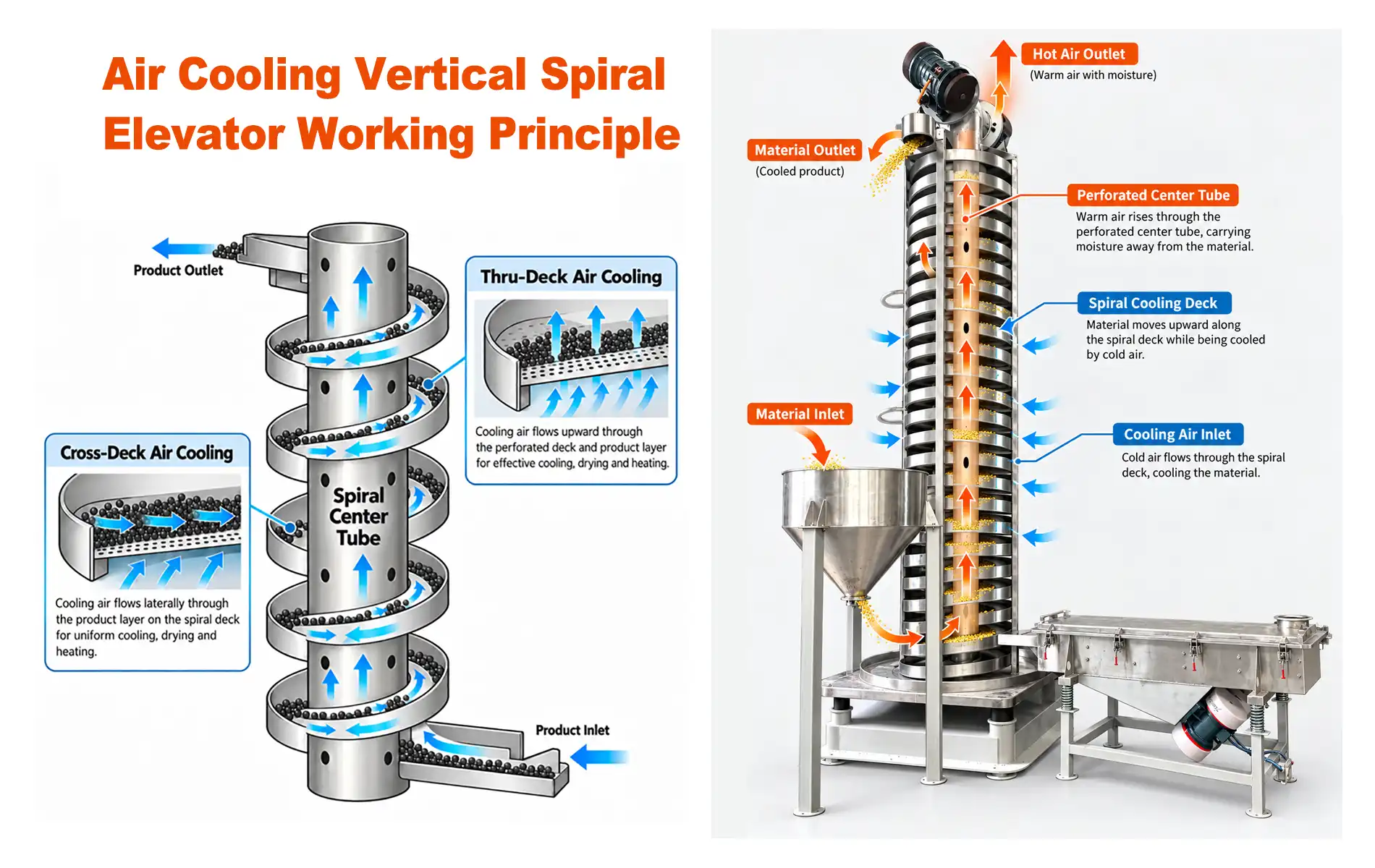
An air cooling vertical spiral elevator is a vibratory conveying machine that combines vertical material lifting with air cooling and drying. It moves bulk materials upward along a spiral trough while dissipating heat and removing moisture through natural or forced airflow, allowing material conveying and temperature reduction in one continuous process.
- Vibratory Spiral Lifting: Vertically or oppositely arranged vibration motors generate excitation forces that drive materials along the spiral trough, moving them upward or downward in a continuous spiral path.
- Air Cooling & Heat Extraction: As materials travel along the extended spiral path, heat dissipates through natural or forced airflow. An optional negative-pressure exhaust system removes hot air and airborne dust, promoting more uniform cooling and reducing the risk of material agglomeration before further processing.
Structure & Components
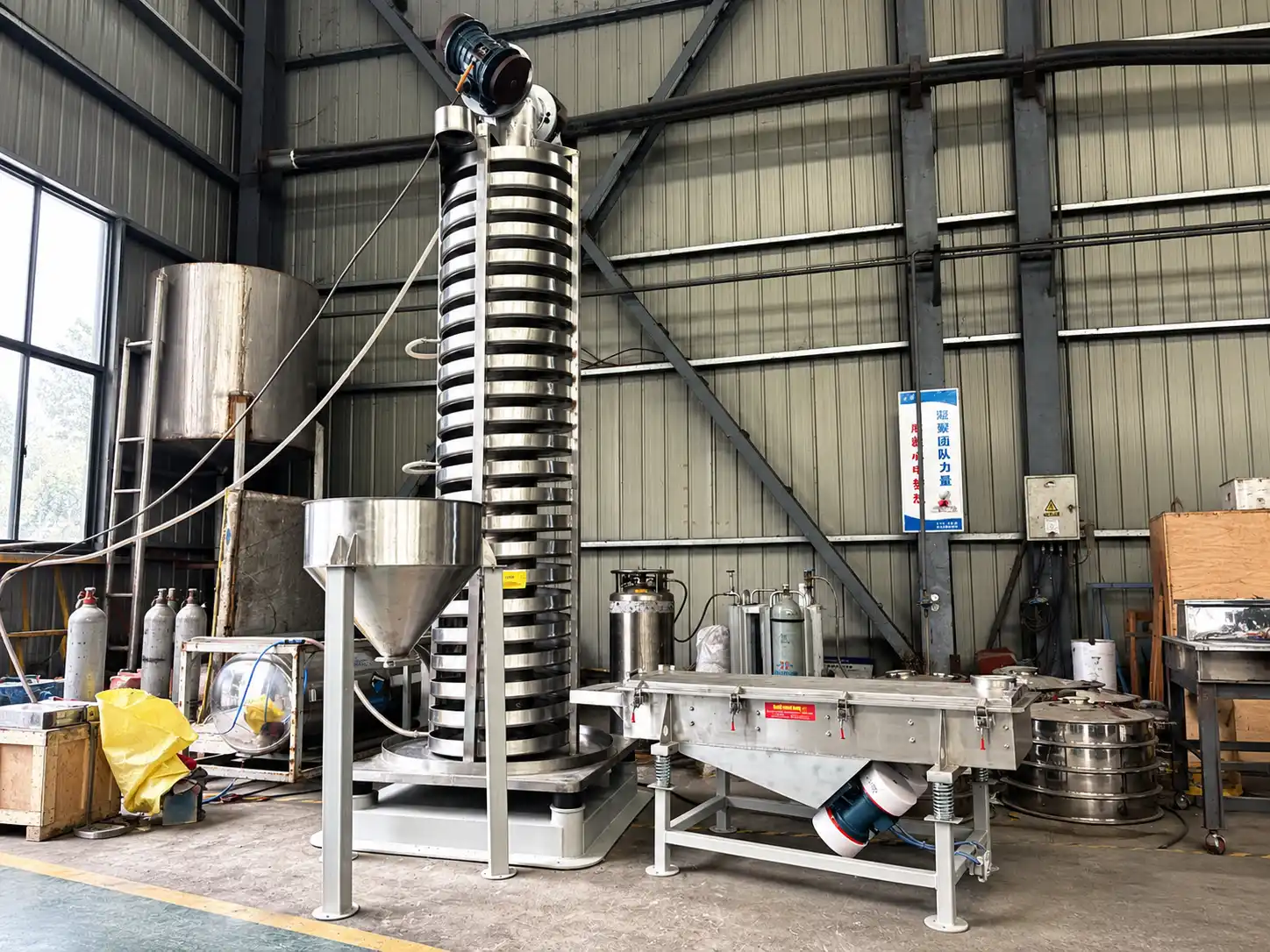
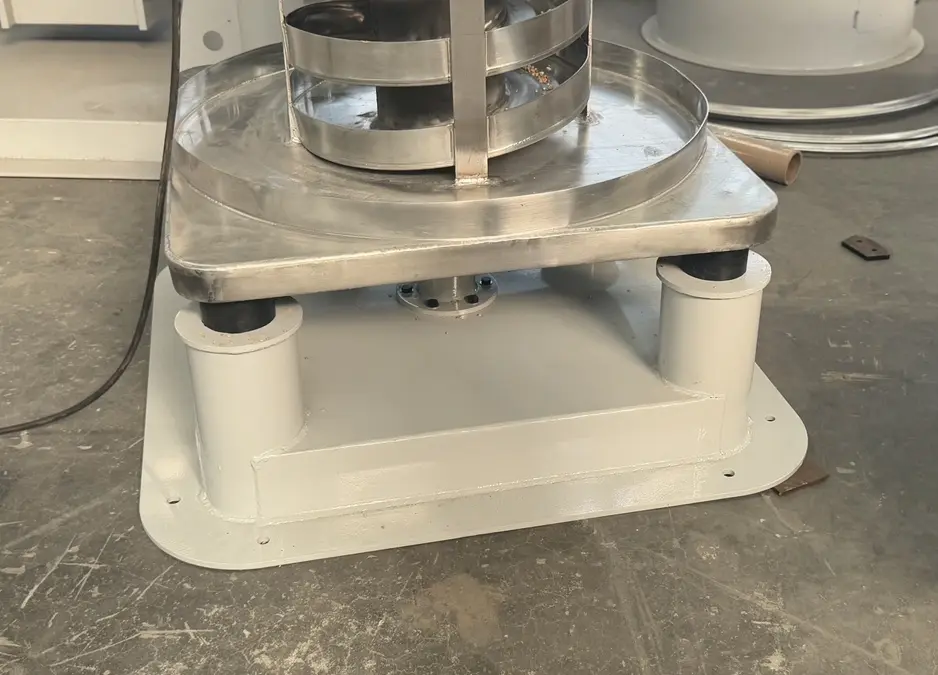
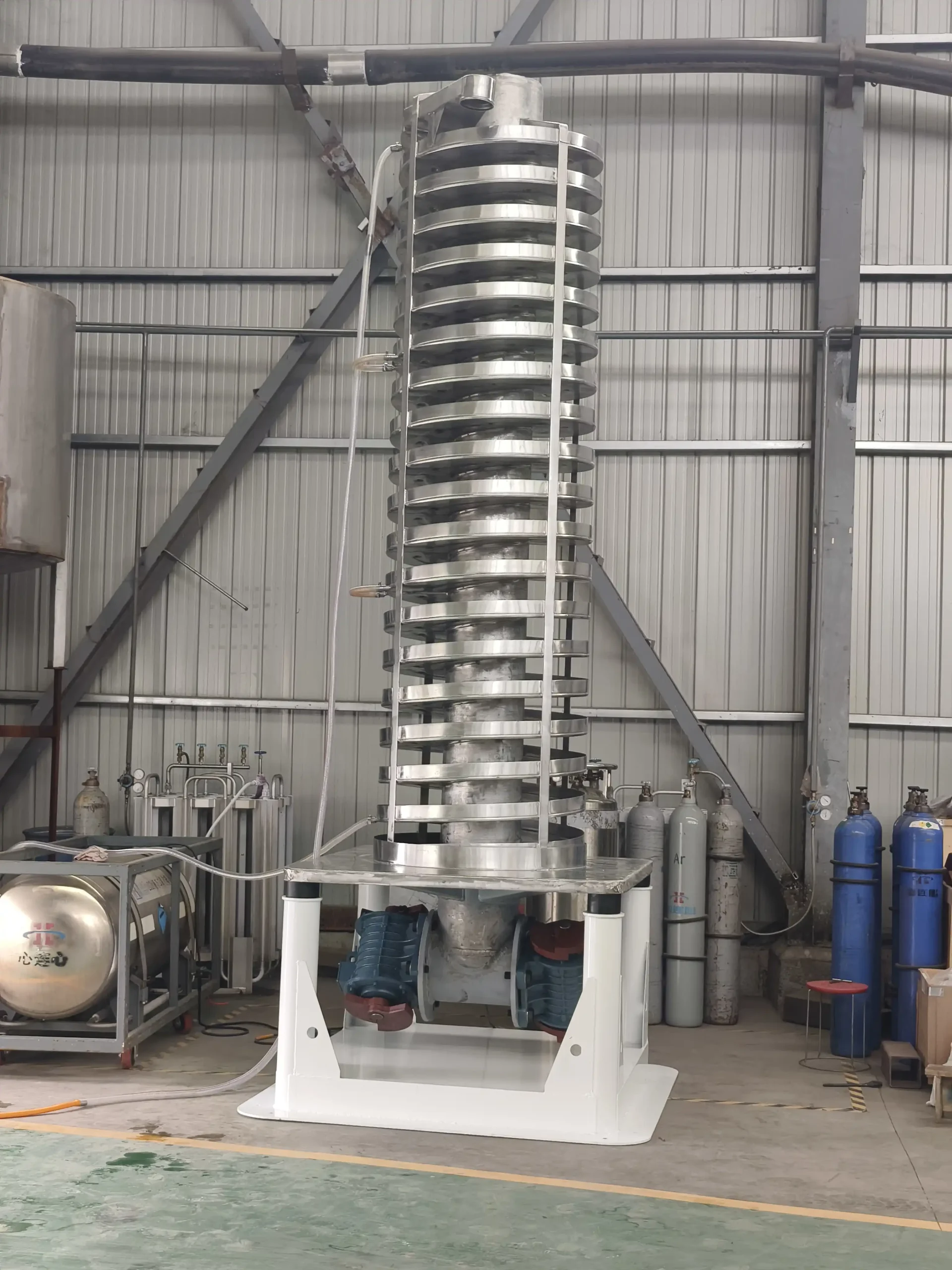
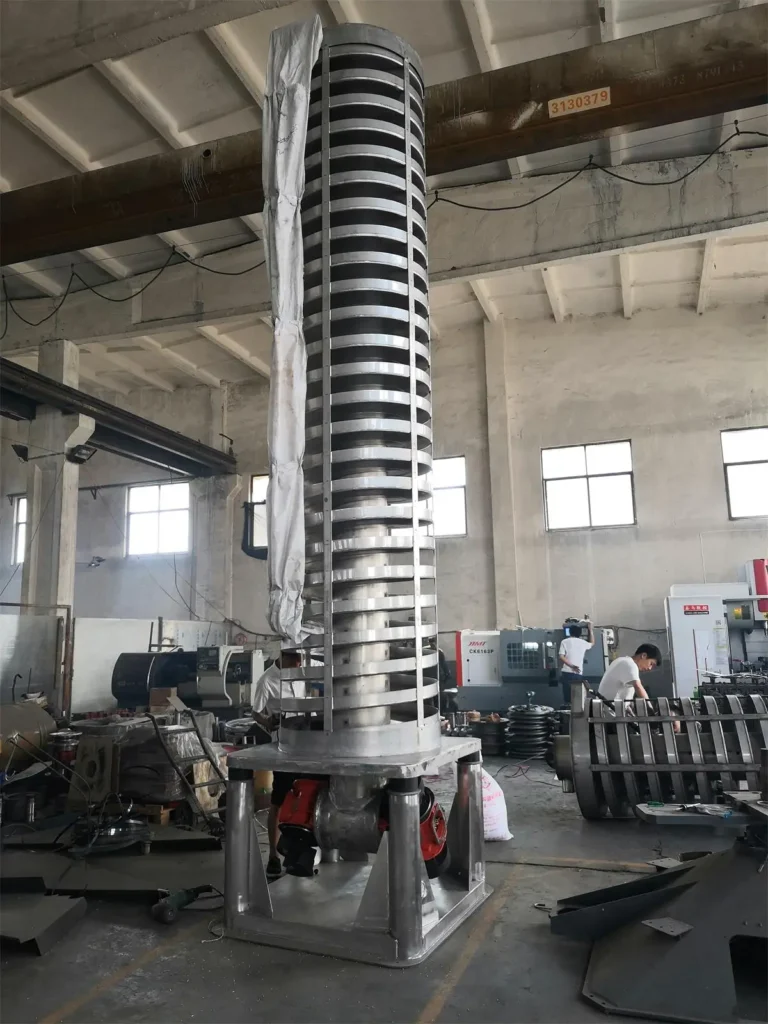
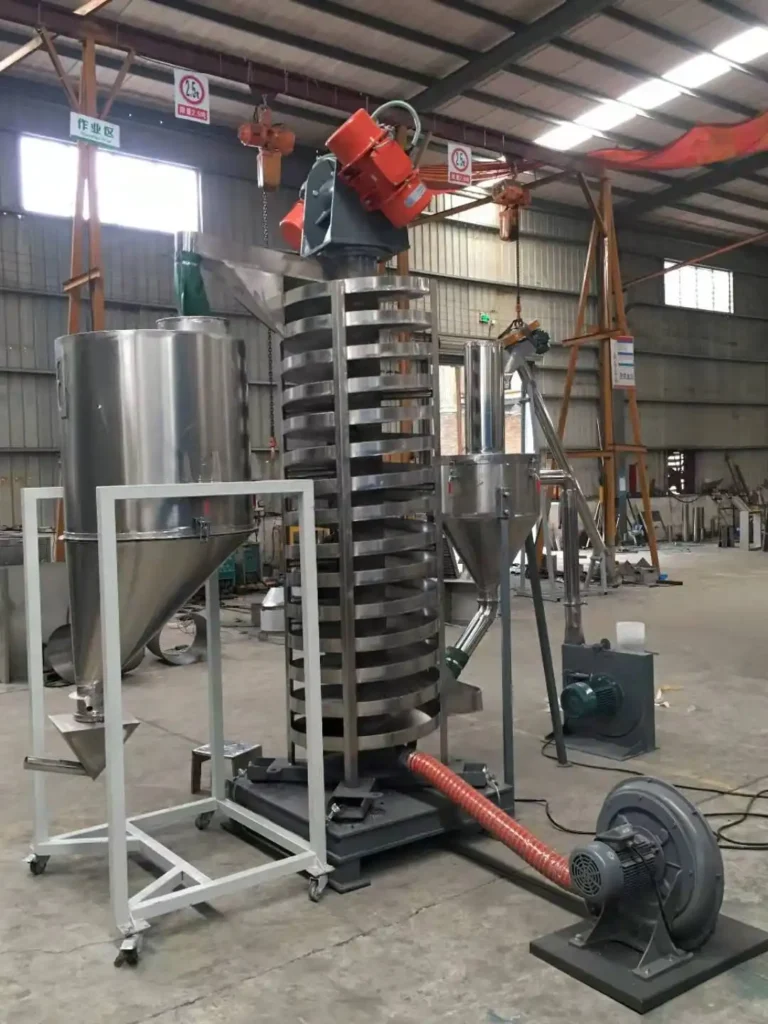
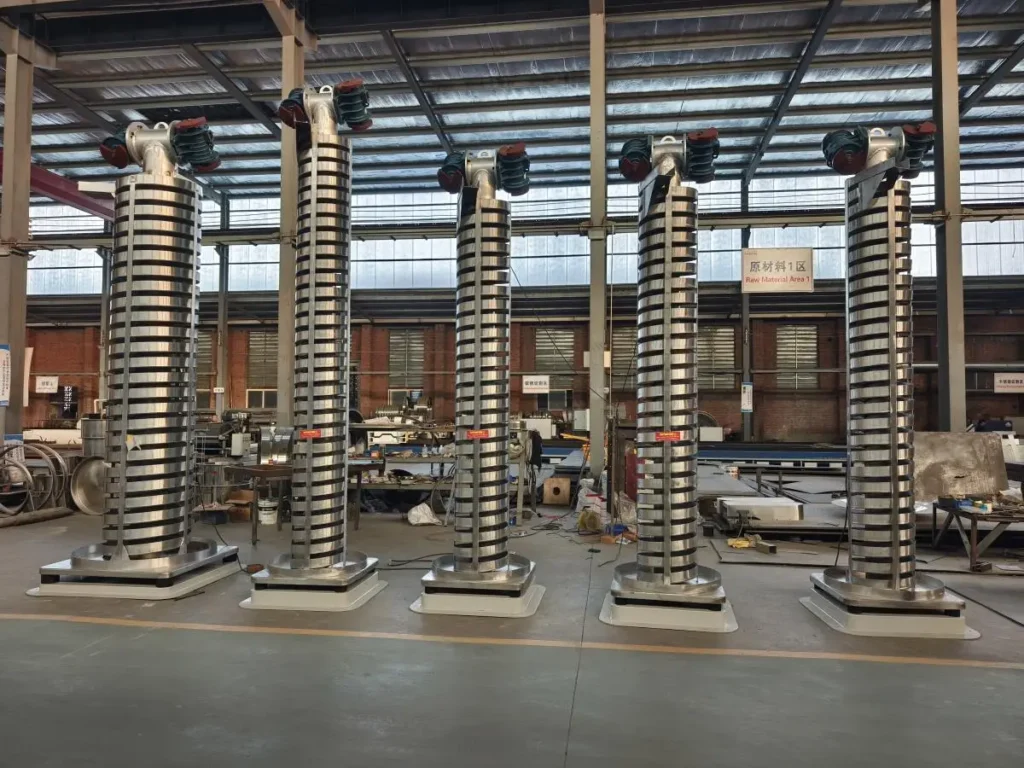
An air cooling vertical spiral elevator consists of a spiral conveying assembly, dual vibration motors, vibration isolation springs, supporting base and air cooling components. The spiral trough carries materials upward, while the vibration drive controls their movement and the airflow system removes heat during conveying.
| Component | Function & Features |
|---|---|
| Spiral Conveying Trough | Forms the helical conveying path and carries material from the lower inlet to the upper outlet. |
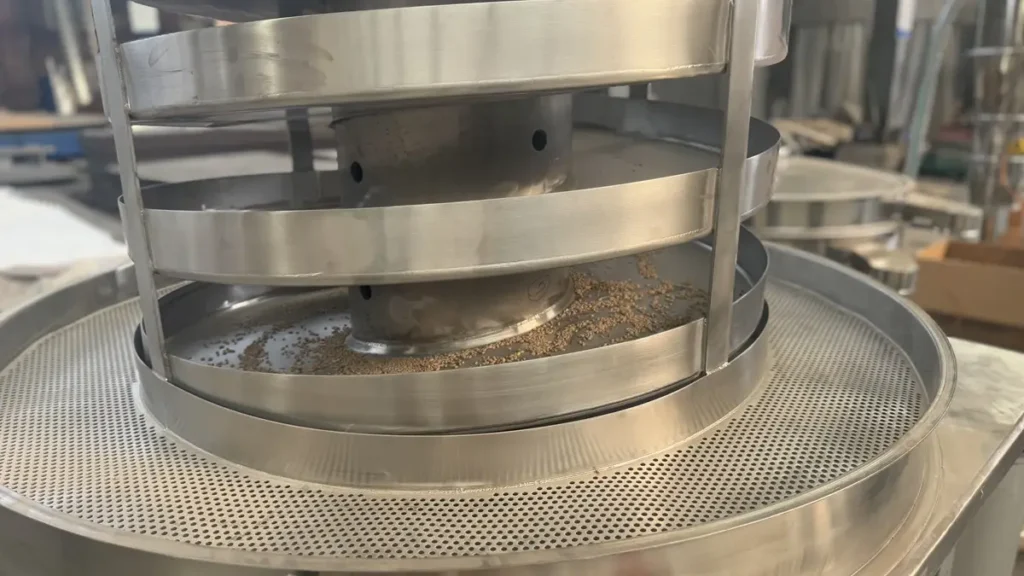
| Central Support Column | Supports the spiral trough and may incorporate air distribution passages in applicable designs. |
| Dual Vibration Motors | Generate the excitation forces required for upward spiral conveying motion. |
| Vibration Isolation Springs | Support the vibrating assembly and reduce vibration transmitted to the foundation. |
| Cooling Fan / Blower | Supplies cooling air to the conveying path at the selected flow rate. |
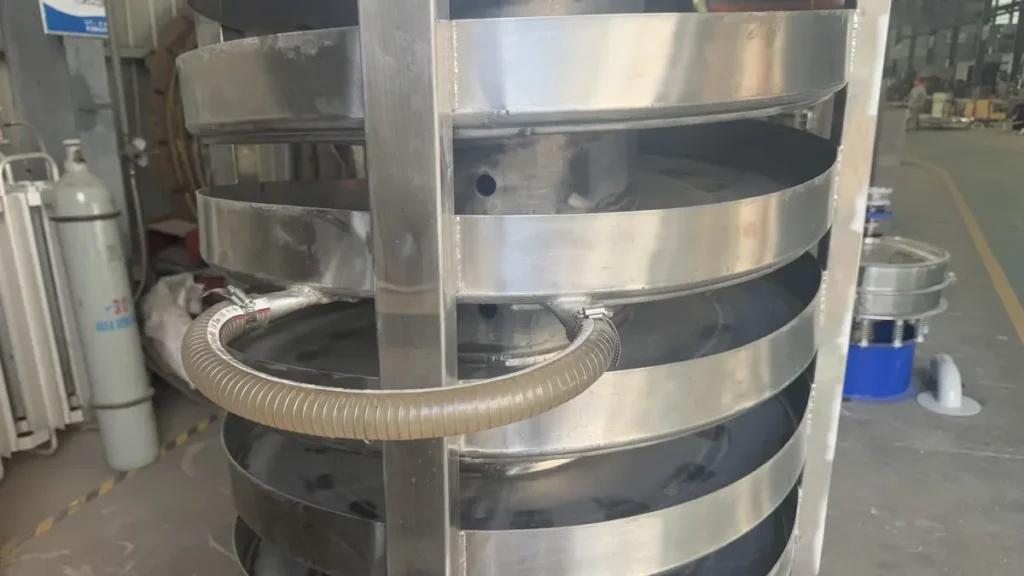
| Air Distribution Ducts | Direct cooling air toward the material bed according to the specified cooling arrangement. |
| Material Inlet | Receives granules from upstream equipment and directs them onto the spiral trough. |
| Discharge Outlet | Transfers the elevated material to the next processing stage. |
| Support Base | Provides a rigid foundation for the vibration drive and conveying assembly. |
| Optional Enclosure | Helps contain material and enables suitable ventilation or dust extraction connections. |
Parts Details Show
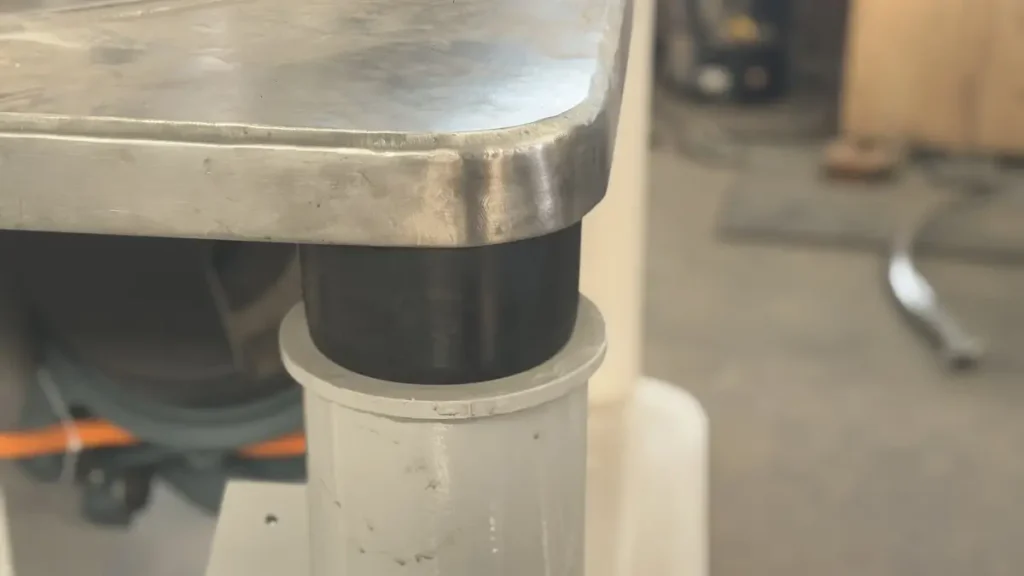
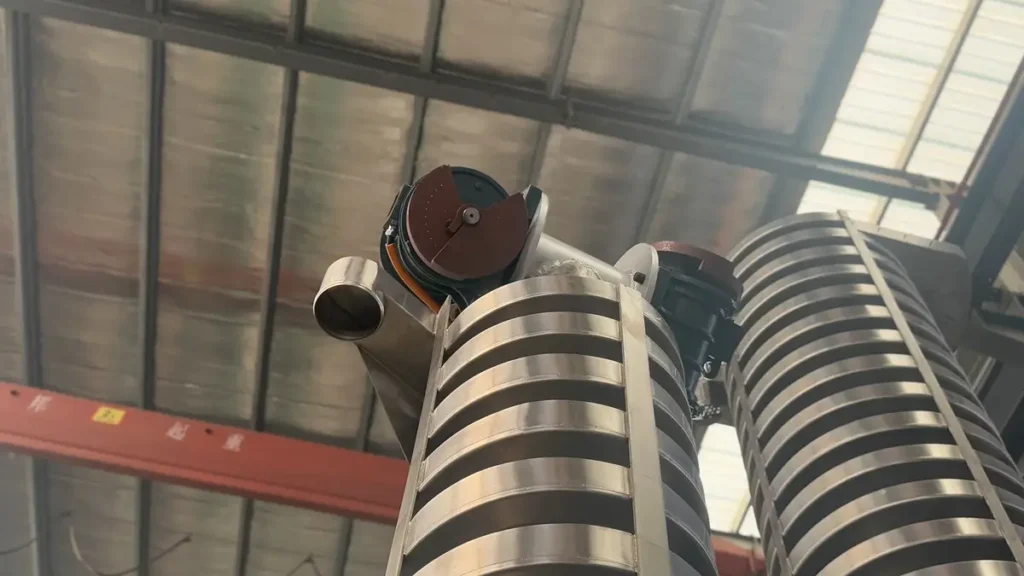
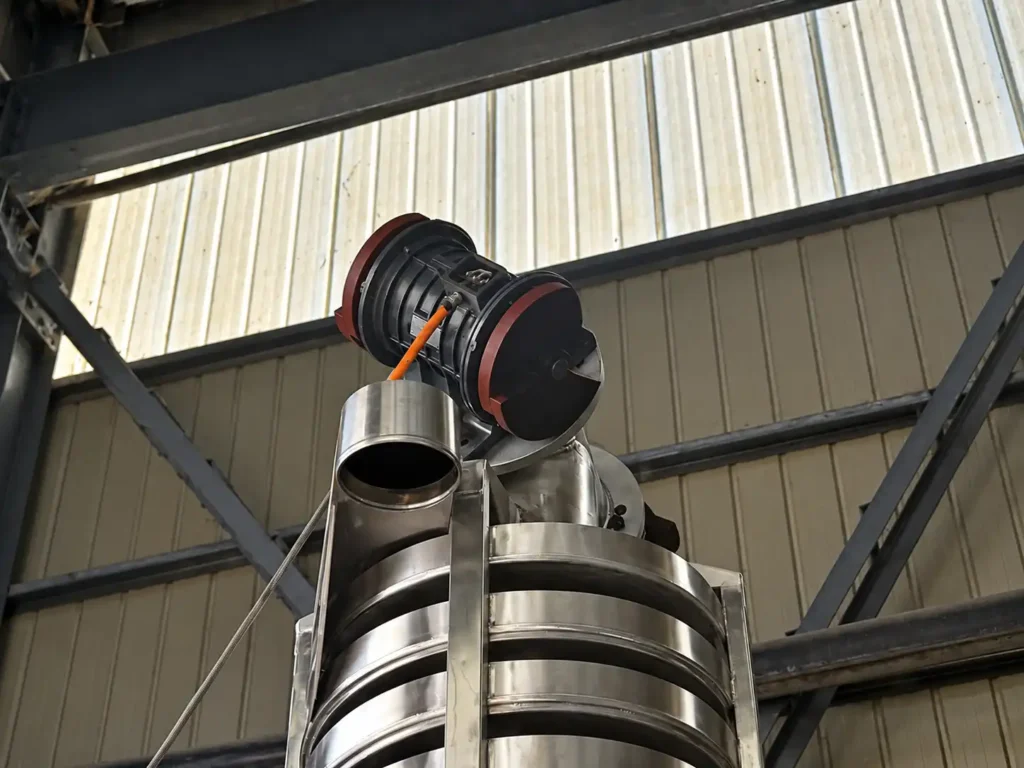
Air Cooling System vs. Standard Spiral Conveyor
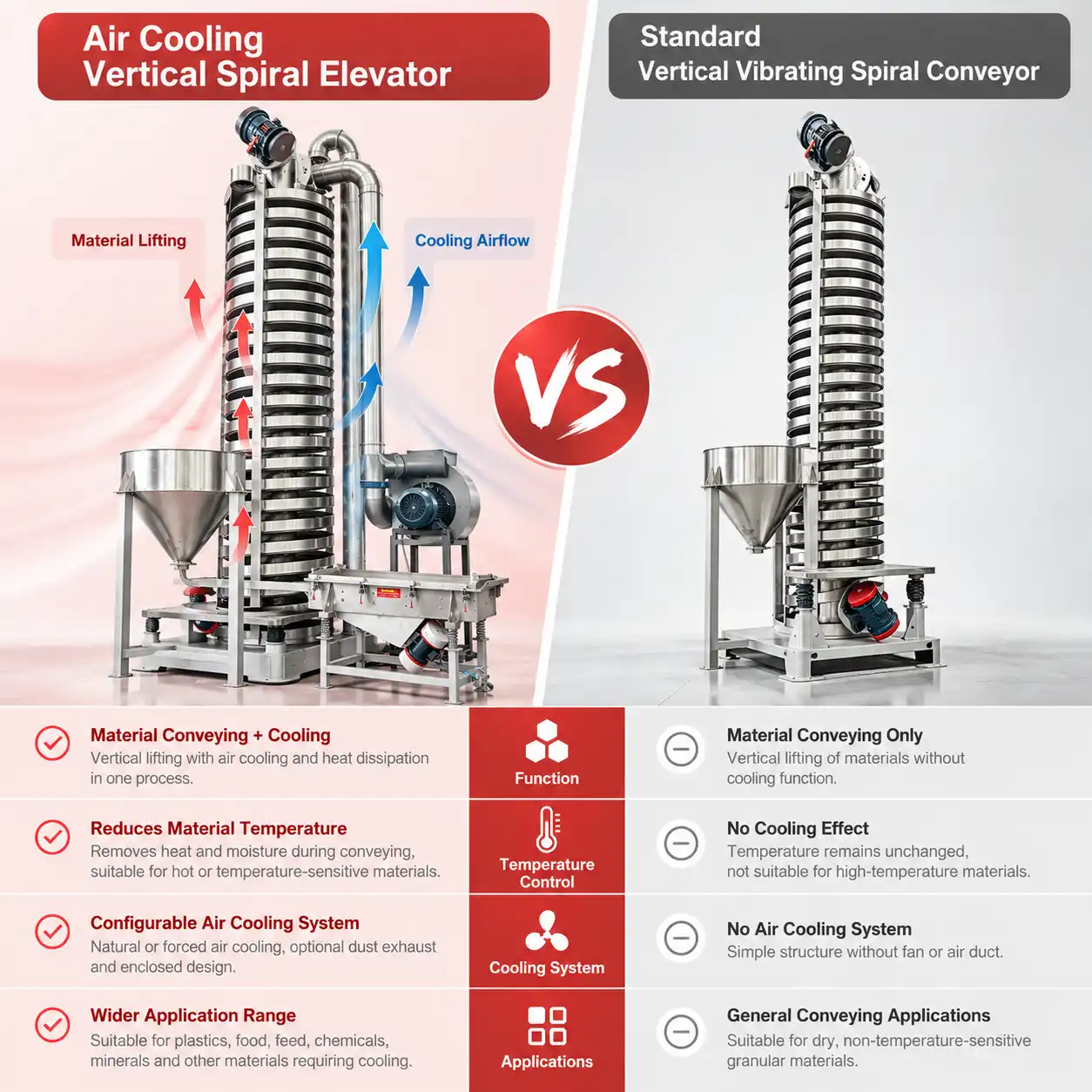
Both air cooling vertical spiral elevators and standard spiral conveyors use vibratory motion to transport bulk materials vertically. The main difference is temperature control. An air cooling system combines material lifting with heat dissipation, while a standard spiral conveyor is primarily designed for vertical material transfer. Equipment selection depends on material temperature, required cooling performance, conveying capacity, and production line conditions.
Key Differences
| Comparison | Air Cooling Vertical Spiral Elevator | Standard Vertical Spiral Conveyor |
| Main Function | Vertical conveying and material cooling | Vertical material conveying |
| Cooling Method | Natural or forced air cooling | No dedicated cooling system |
| Temperature Control | Designed to reduce material temperature during conveying | No active temperature control |
| Airflow System | Optional cooling fans and exhaust system | Not normally equipped |
| Suitable Materials | Hot pellets, granules, and temperature-sensitive materials | General powders, granules, and bulk solids |
| Material Handling | Continuous spiral conveying with cooling | Continuous spiral conveying |
| Equipment Configuration | Spiral trough with configurable airflow and cooling components | Standard spiral trough and vibration drive |
| Typical Applications | Cooling after extrusion, granulation, or thermal processing | Vertical transfer between processing stages |
| Production Line Integration | Connects cooling with downstream screening, storage, or packaging | Connects upstream and downstream conveying equipment |
Which Spiral Conveyor Should You Choose?
Choose an air cooling vertical spiral elevator when materials require temperature reduction during vertical conveying. For applications involving material transfer without controlled cooling requirements, a standard vertical vibrating spiral conveyor is generally sufficient.
Air Cooling System Features
- Cooling Fan or Blower: Supplies air at the required pressure and flow rate.
- Air Distribution System: Directs cooling air toward the material conveying path.
- Spiral Conveying Trough: Provides continuous material movement and residence time for heat exchange.
- Ventilation Openings: Allow cooling air to reach the material bed where the design provides for it.
- Air Exhaust Arrangement: Removes warmed air from the equipment and can be connected to suitable dust extraction when required.
For temperature-sensitive granules, we recommend confirming material inlet temperature, target outlet temperature and operating capacity before selecting the cooling system. Air cooling with ambient air is not suitable for every temperature requirement.
Air Cooling Spiral Elevator Video
Standard Vertical Spiral Conveyor
Discuss Your Cooling Duty
Request an Air Cooling Vertical Spiral Elevator Quote
Need to lift and cool materials in the same production process? Send Sanyuantang your material specifications, conveying capacity, lifting height and temperature requirements. Our engineers can review the spiral elevator dimensions, vibration drive and cooling arrangement before preparing a quotation.
Share material, throughput, lifting height and temperature requirements.
Advantages
Sanyuantang air cooling spiral elevators combine vertical material conveying and cooling in a single processing stage. Their compact spiral design and configurable airflow system make them suitable for production lines where materials need to be cooled before storage, screening or packaging.
Conveying and Cooling in One Machine
Combines vertical material lifting with forced-air cooling, reducing the need for a separate conveying stage between cooling and downstream processing.
Compact Vertical Installation
The helical conveying path provides extended material travel within a relatively small floor area, suitable for production lines with limited space.
Configurable Air Cooling
Fan capacity and airflow distribution can be selected according to material temperature, throughput and cooling requirements.
Continuous and Controlled Material Flow
Dual vibration motors move granular materials along the spiral trough without a rotating screw inside the material bed, supporting continuous transfer.
Adaptable Production-Line Connections
Inlet and outlet configurations can be designed to connect with pelletizers, vibrating screens, storage hoppers and other material handling equipment.
Low Maintenance Design
The vibrating drive system has no rotating screw inside the conveying trough, reducing mechanical wear, simplifying cleaning, and minimizing routine maintenance requirements.
Materials and Industrial Applications
Air cooling vertical spiral elevators are used for continuous lifting and cooling of hot or temperature-sensitive bulk materials. They are suitable for granules, pellets, and other free-flowing solids that require temperature reduction before screening, storage, or packaging. Cooling airflow, spiral dimensions, and conveying capacity can be configured according to material properties and processing requirements.
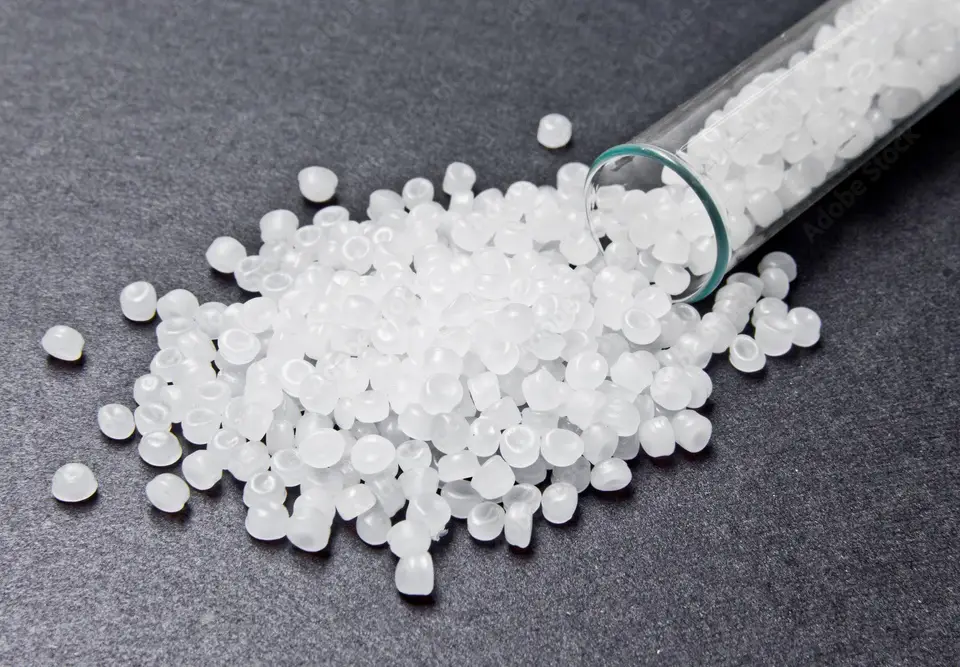
Plastics & Polymer Processing
Materials: Plastic pellets, PVC granules, PE/PP pellets, masterbatch.
Application: Cools hot plastic granules after extrusion or pelletizing while conveying them vertically to screening, storage, or packaging equipment.
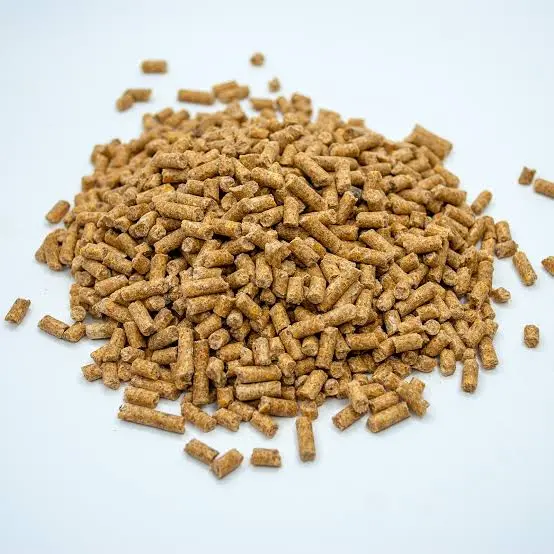
Food & Feed Processing
Materials: Feed pellets, grain products, puffed snacks, extruded food granules.
Application: Reduces material temperature after extrusion or thermal processing and transfers products to downstream grading or packaging equipment.

Chemical Processing
Materials: Resin granules, fertilizer pellets, chemical granules, compatible dry powders.
Application: Provides continuous material lifting and air cooling after granulation or drying, helping prepare materials for screening and subsequent processing.
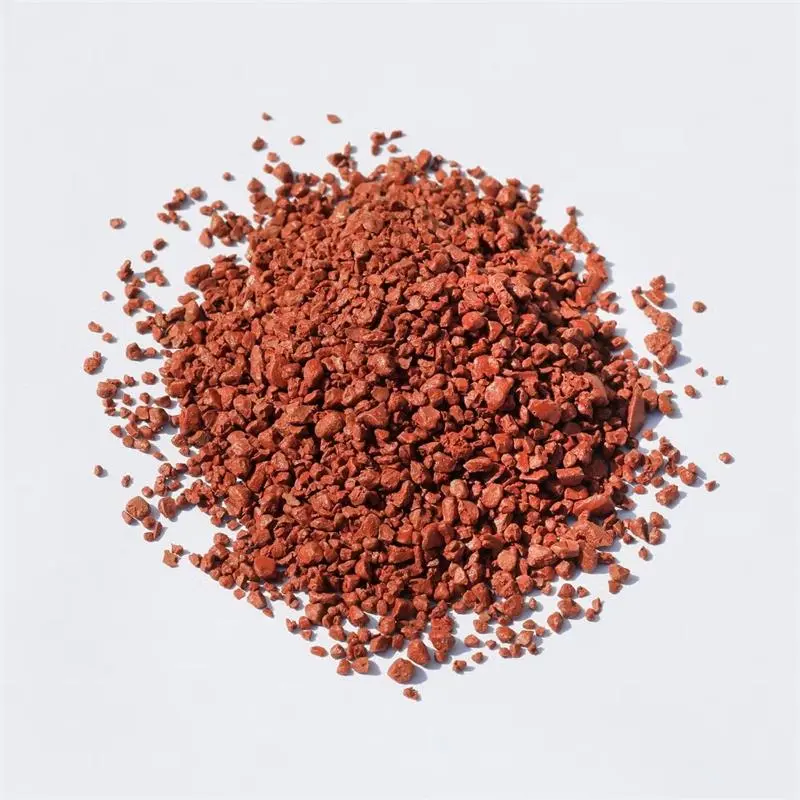
Mineral & Building Materials
Materials: Ceramic granules, quartz sand, foundry sand, mineral particles.
Application: Transfers heated granular materials vertically while dissipating heat before classification, collection, or further processing.
Custom Air Cooling Vertical Spiral Elevators
Sanyuantang offers customized air cooling vertical spiral elevators to meet different material handling and cooling requirements. Lifting height, spiral diameter, conveying capacity, airflow, and inlet and outlet arrangements can be tailored to material properties and production line layouts. Our engineers review material temperature, required cooling performance, and installation conditions to recommend a suitable equipment configuration.
| Customization | Available Options |
| Lifting Height & Spiral Diameter | Spiral diameter: 300–1,800 mm; lifting height up to 8 m, depending on model |
| Air Cooling System | Natural air cooling, forced air cooling, or enhanced cold-air systems |
| Combined Cooling Options | Air cooling, water cooling, or combined air-water cooling |
| Construction Materials | Carbon Steel (Q235), Stainless Steel 304 / 316L |
| Spiral Trough Design | Open or enclosed troughs, customized spiral pitch and conveying width |
| Feed & Discharge Connections | Customized inlet height, outlet position, and connection dimensions |
| Vibration Motor Configuration | Motor power and vibration settings matched to material load and conveying requirements |
| Dustproof Enclosure | Optional covers, sealing arrangements, and dust extraction connections |
| Production Line Integration | Connections to pelletizers, dryers, vibrating screens, storage hoppers, and packaging equipment |
Contact Us
Request a Custom Cooling Spiral Elevator
Share your material type, inlet and target outlet temperatures, required capacity, lifting height, and production line layout. Our engineers will review the conveying and cooling requirements and recommend a suitable configuration.
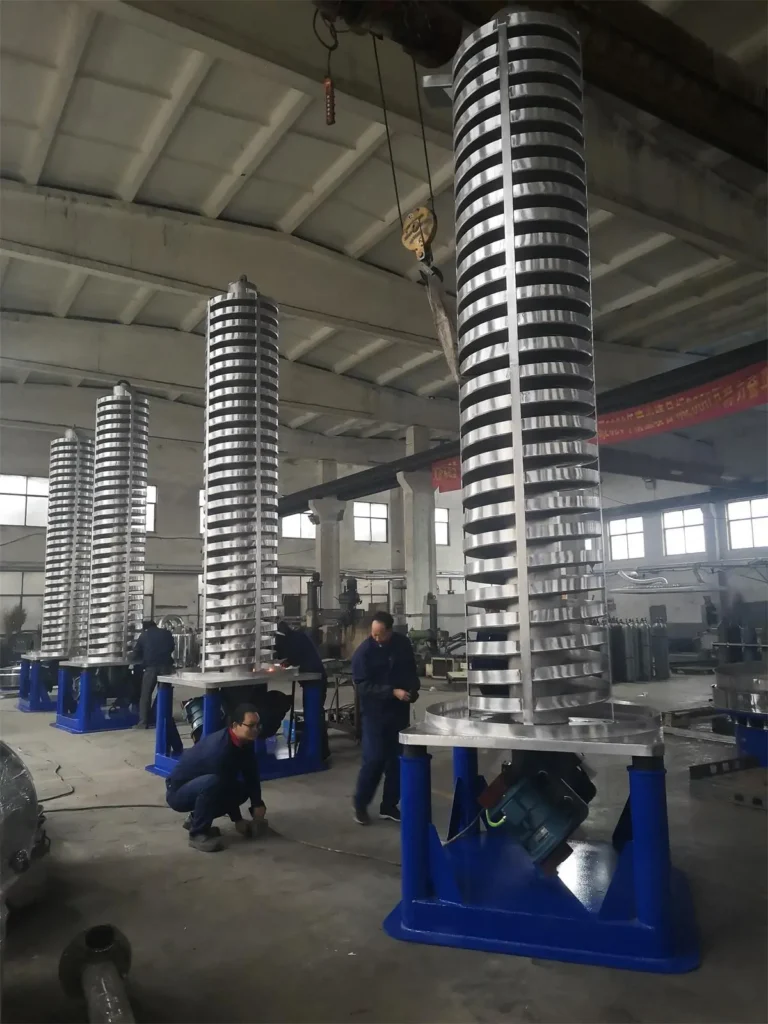
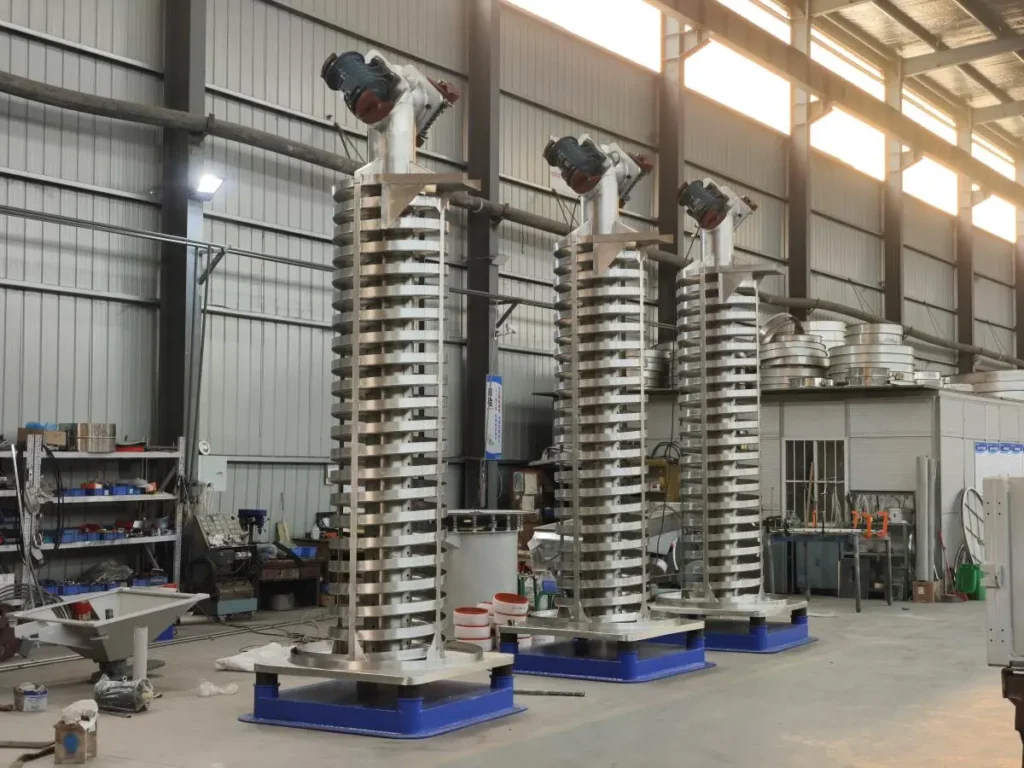
Products Show
How to Select an Air Cooling Vertical Spiral Elevator?
Selecting the right air cooling vertical spiral elevator requires consideration of material properties, inlet and target outlet temperatures, conveying capacity, and lifting height. Spiral diameter, airflow, motor power, and residence time should be matched to the required cooling performance. Sanyuantang engineers can review these operating conditions and recommend a suitable equipment configuration for your production line.
We recommend confirming the following information before equipment selection.
| Selection Parameter | Information Required |
|---|---|
| Material Type | Material name, particle size, bulk density and flowability |
| Processing Capacity | Required throughput in kg/h or t/h |
| Inlet Temperature | Material temperature entering the elevator |
| Target Outlet Temperature | Required material temperature after cooling |
| Lifting Height | Vertical distance between inlet and outlet |
| Ambient Conditions | Air temperature, humidity and available ventilation |
| Material Sensitivity | Risk of breakage, sticking, dust generation or oxidation |
| Construction Material | Carbon steel or stainless steel requirements |
| Installation Space | Available footprint, overall height and maintenance access |
| Production-Line Connections | Upstream feeding and downstream discharge arrangements |
For applications requiring substantial temperature reduction, the cooling duty should be calculated before selecting the equipment size. This helps establish whether forced-air cooling can meet the target or whether an alternative cooling method is needed. Watch the equipment selection video below to learn how to choose a suitable configuration for your production line.
Air Cooling Vertical Spiral Elevator Manufacturer – Sanyuantang
Sanyuantang (Xinxiang Sanyuantang Machine Co., Ltd.) is an experienced Air Cooling Vertical Spiral Elevator Manufacturer in China, specializing in industrial screening, conveying, and bulk material handling equipment since 1994. With an 8,000 m² manufacturing facility, ISO quality management and CE certifications, we provide equipment manufacturing, engineering customization, and production line solutions for customers worldwide.
Our air cooling vertical spiral elevators combine vibratory conveying with material cooling in one continuous process. We customize lifting height, spiral diameter, stainless steel contact parts, airflow systems, and feeding and discharge connections according to material temperature, required capacity, and plant layout. The equipment can also be integrated with downstream linear vibrating screens or vibro sifters for continuous cooling, grading, and material handling.
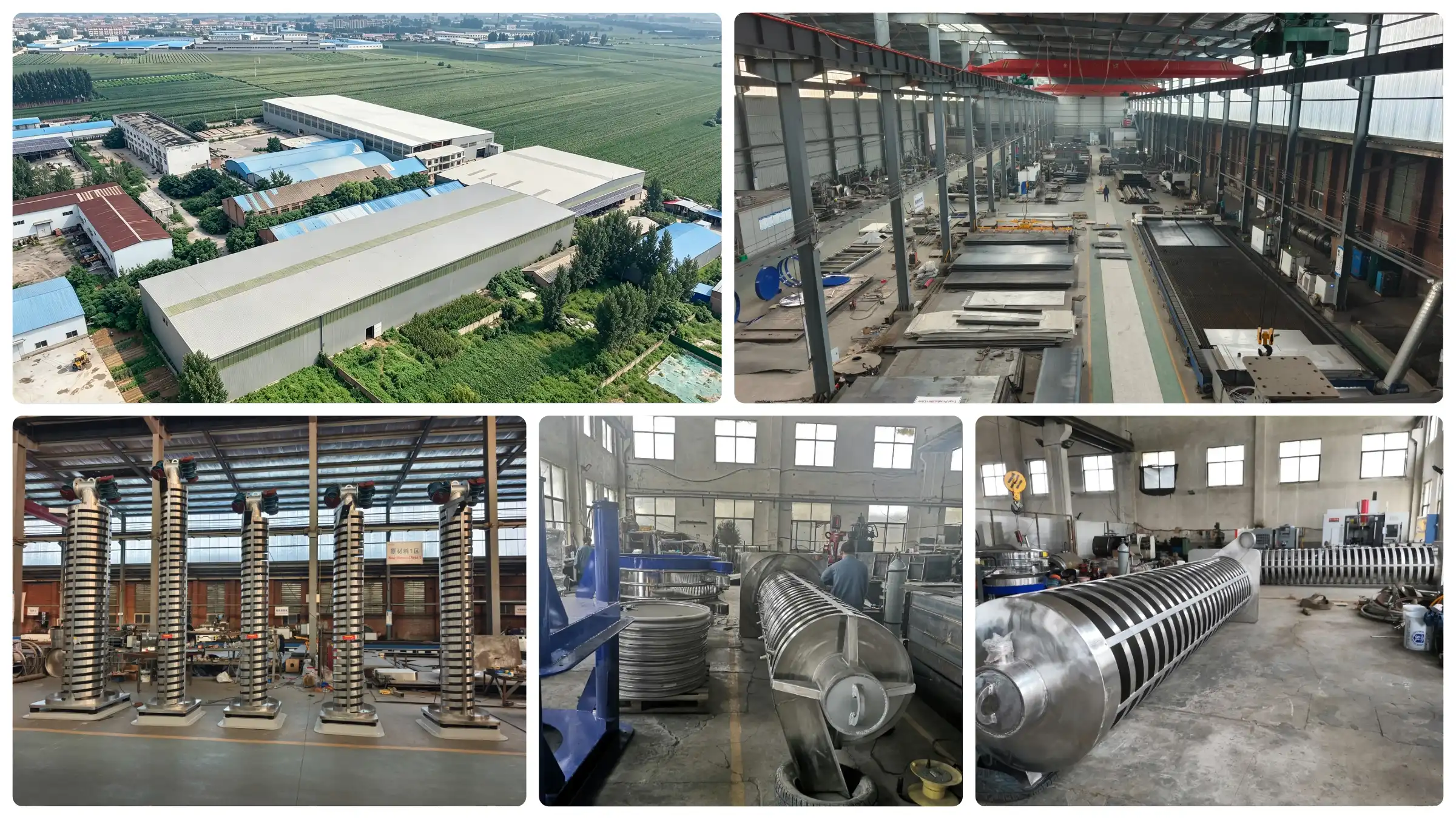
Manufacturing & Service Capabilities
- In-House Manufacturing: Fabrication, welding, assembly, and inspection of spiral conveying equipment and vibration drive systems.
- Custom Engineering: Cooling airflow, lifting dimensions, contact materials, and inlet/outlet configurations tailored to project requirements.
- Quality Control: Structural inspection, drive system checks, and equipment trial operation before shipment.
- After-Sales & Spare Parts: Installation guidance, technical troubleshooting, maintenance support, and replacement components.
FAQs
What is an air cooling vertical spiral elevator used for?
An air cooling vertical spiral elevator is used to lift and cool granular materials during continuous processing. Typical applications include plastic pellets, rubber granules and selected chemical or industrial materials that require temperature reduction before screening, storage or packaging.
How does an air cooling spiral elevator reduce material temperature?
The machine moves materials upward along a vibrating spiral trough while cooling air passes through the designed airflow path. Heat transfers from the warm material to the cooler air. Cooling performance depends on material temperature, airflow, residence time and processing capacity.
What is the conveying capacity of an air cooling spiral elevator?
Conveying capacity depends on spiral diameter, trough dimensions, vibration settings and material properties. Sanyuantang’s standard vertical spiral elevator range provides a mechanical basis for equipment selection, but the actual capacity of an air-cooled configuration must be confirmed together with the required cooling performance.
What materials can an air cooled spiral elevator handle?
Suitable materials may include plastic pellets, rubber granules, fertilizer granules, chemical granules and other free-flowing bulk solids. Material size, density, moisture, temperature and sensitivity to airflow should be reviewed before equipment selection.
How much can an air cooling spiral elevator reduce material temperature?
The cooling performance of an air cooling vertical spiral elevator depends on material type, inlet temperature, airflow, conveying capacity, and residence time. In a Sanyuantang plastic pellet cooling project, the material temperature was reduced from 130°C to approximately 35°C, achieving a 95°C temperature reduction during the combined cooling and conveying process. Actual cooling performance varies by application, and the spiral dimensions and airflow system are configured according to the required outlet temperature.
Can the lifting height and cooling airflow be customized?
Yes. Sanyuantang offers customized spiral elevator configurations, including lifting height, spiral dimensions, airflow arrangements and material-contact components. The final specifications are selected according to conveying and cooling requirements.
What is the difference between air cooling and water cooling spiral elevators?
An air cooling spiral elevator removes heat through airflow contacting the material. A water cooling spiral elevator uses a cooling-water circuit and heat-transfer surfaces to remove heat indirectly, with the water separated from the material. Air cooling is suitable where the available cooling air can achieve the required outlet temperature. Water cooling may be preferred when greater temperature control or a different heat-removal capacity is required. The appropriate method depends on the material and operating conditions.