

Belt Conveyor Manufacturer: Mobile, Sand and Gravel, and PVC Belt Conveyors
SYT builds belt conveyors for container unloading, sand and gravel handling, and steep-angle lifting. Belt width, length, incline and drive are selected for your material and site layout. Our reference mobile range covers 400–1,000 mm belt widths and 40–300 t/h, depending on the model and operating conditions.
Sanyuantang has manufactured material handling equipment in Xinxiang, China since 1994. Send your material, required capacity and layout for a conveyor recommendation.
Our Belt Conveyor Range
Match the conveyor to the transfer point. Discharge height, belt wear and product roll-back all affect whether a conveyor will work at your site.

Container Loading Belt Conveyor
400–1,000 mm belt width · 3–20 m length
A mobile conveyor with a feeding hopper and adjustable discharge height for container doors, trucks and warehouse transfer points. Wheels allow repositioning between work areas.
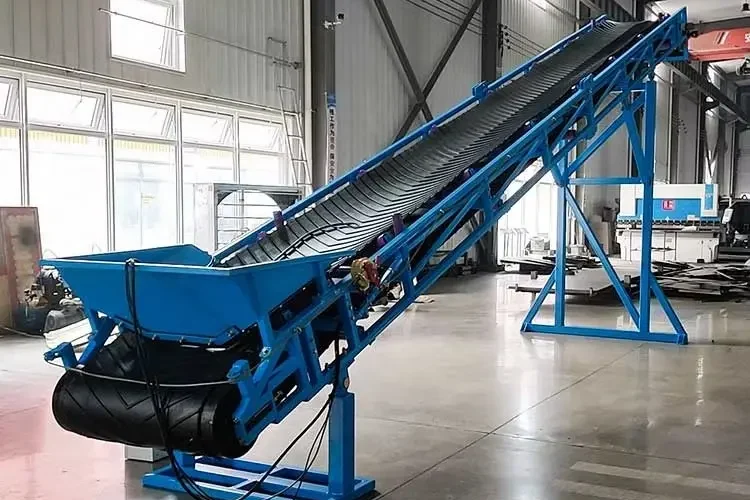
Sand and Gravel Conveyor Belt
B400–B1400 · 1.25–2.0 m/s
Connect feeders, crushers and screens in an aggregate line. Fixed and mobile layouts, wear-resistant belts, sidewalls and dust covers can be considered for the material and route.
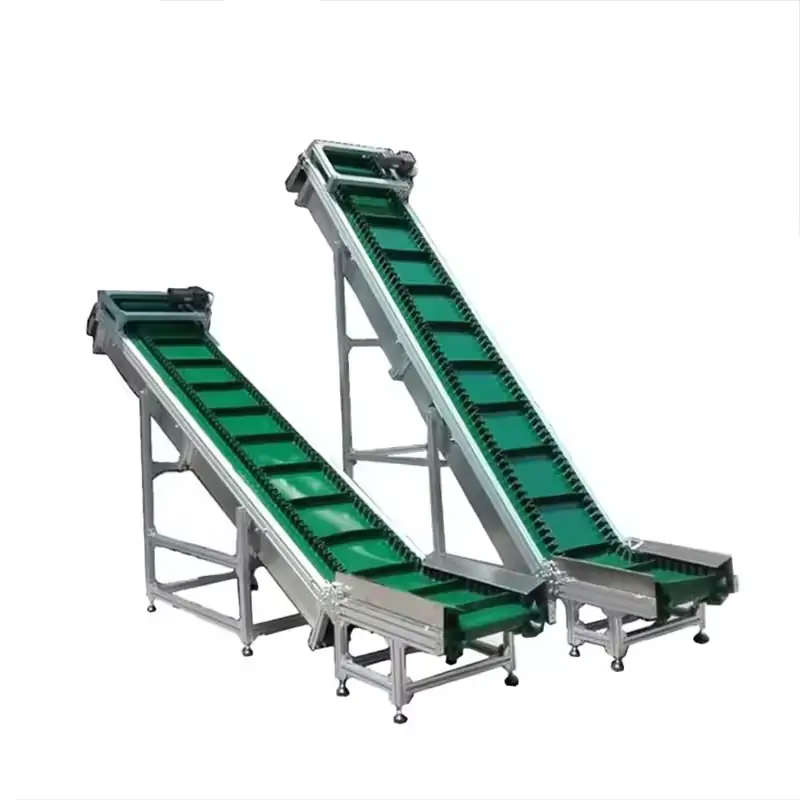
PVC Belt Conveyor
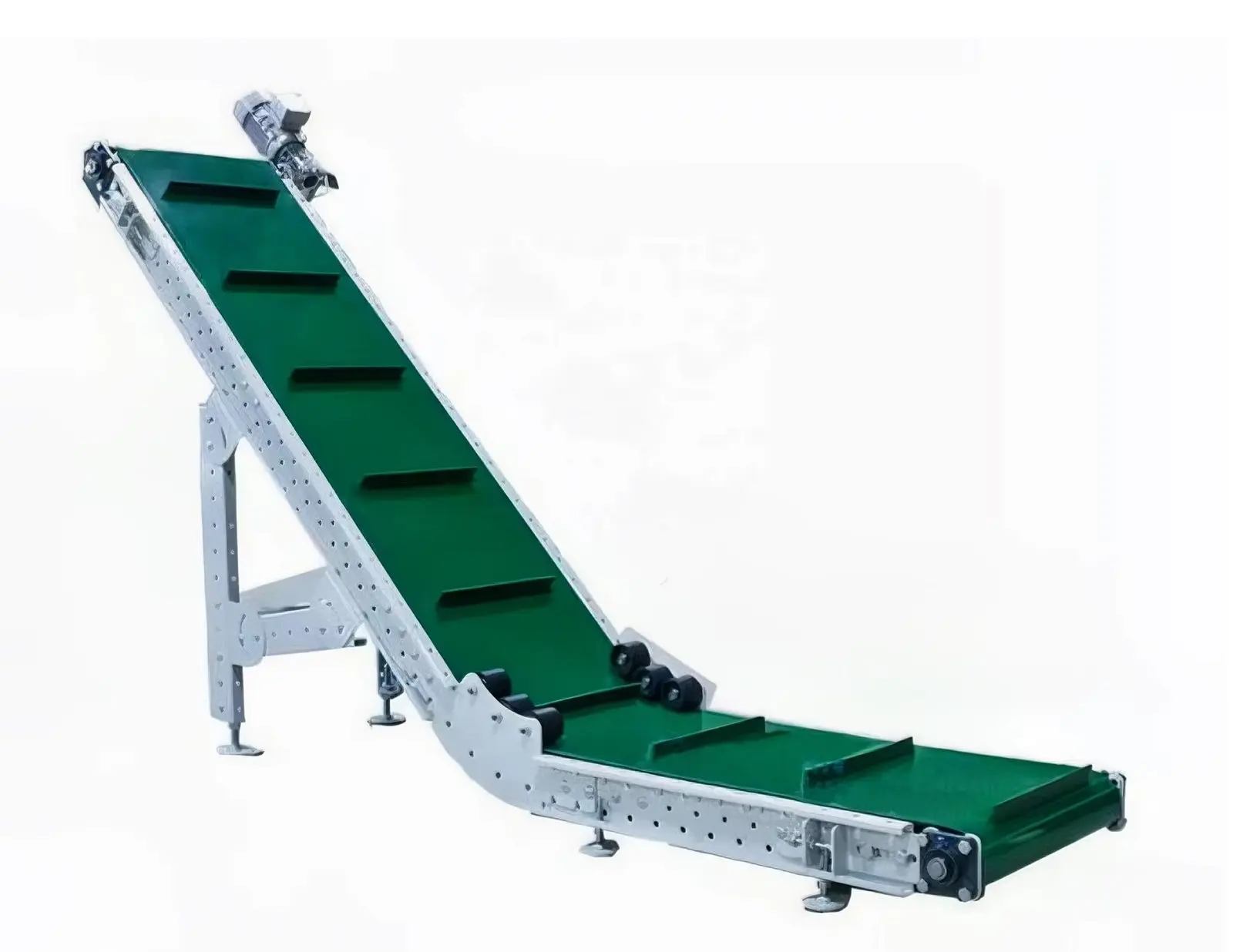
Cleated incline · Fixed or variable speed
Lift grain, light products and suitable packed goods where floor space is limited. Cross cleats and sidewalls help contain the product as it climbs.
Compare Belt Conveyor Types at a Glance
| Selection Factor | Container Loading | Sand and Gravel | PVC Belt |
|---|---|---|---|
| Best for | Container, truck and dock transfer | Sand plants, quarries and mines | Incline feeding and light industry |
| Layout | Mobile frame, hopper, adjustable height | Fixed or mobile; horizontal or inclined | Inclined, with cleats and sidewalls |
| Belt width | 400–1,000 mm | B400–B1400 | Selected for product and incline |
| Belt speed | 0.4–1.25 m/s | 1.25–2.0 m/s | Fixed or variable |
| Capacity | 40–300 t/h reference range | Sized to material and belt width | Depends on product, width and angle |
| Incline | 0–18° reference range | Selected for material and route | 30°, 45° and 60° reference configurations |
| Drive | Electric drum; 2.2–7.5 kW | Selected for load, length and incline | Electric drum or motor with gearbox |
Reference figures describe different model ranges. Final capacity and drive power depend on bulk density, particle size, belt speed, loading and incline. Confirm the configuration for your material before ordering.
How to Choose a Belt Conveyor?
Start With Material and Capacity
Provide the material, bulk density, particle size, moisture and target throughput in t/h. Abrasive sand and crushed stone need suitable wear resistance. Fine or sticky materials may need dust control or cleaning.
Choose the Right Layout
A fixed conveyor suits a permanent production route. A mobile frame suits changing unloading points. A cleated incline belt can raise product where a long, shallow conveyor will not fit.
Set Width, Length and Drive
Length follows the distance between feed and discharge points. Belt width must accommodate the product and required flow. Greater elevation, distance and load increase drive requirements.
As a reference, the sand conveyor table lists B500 at 40–80 t/h and B1000 at 200–320 t/h. These ranges are starting points for selection; share your material data to confirm a suitable belt and drive.
Where Our Belt Conveyors Are Used
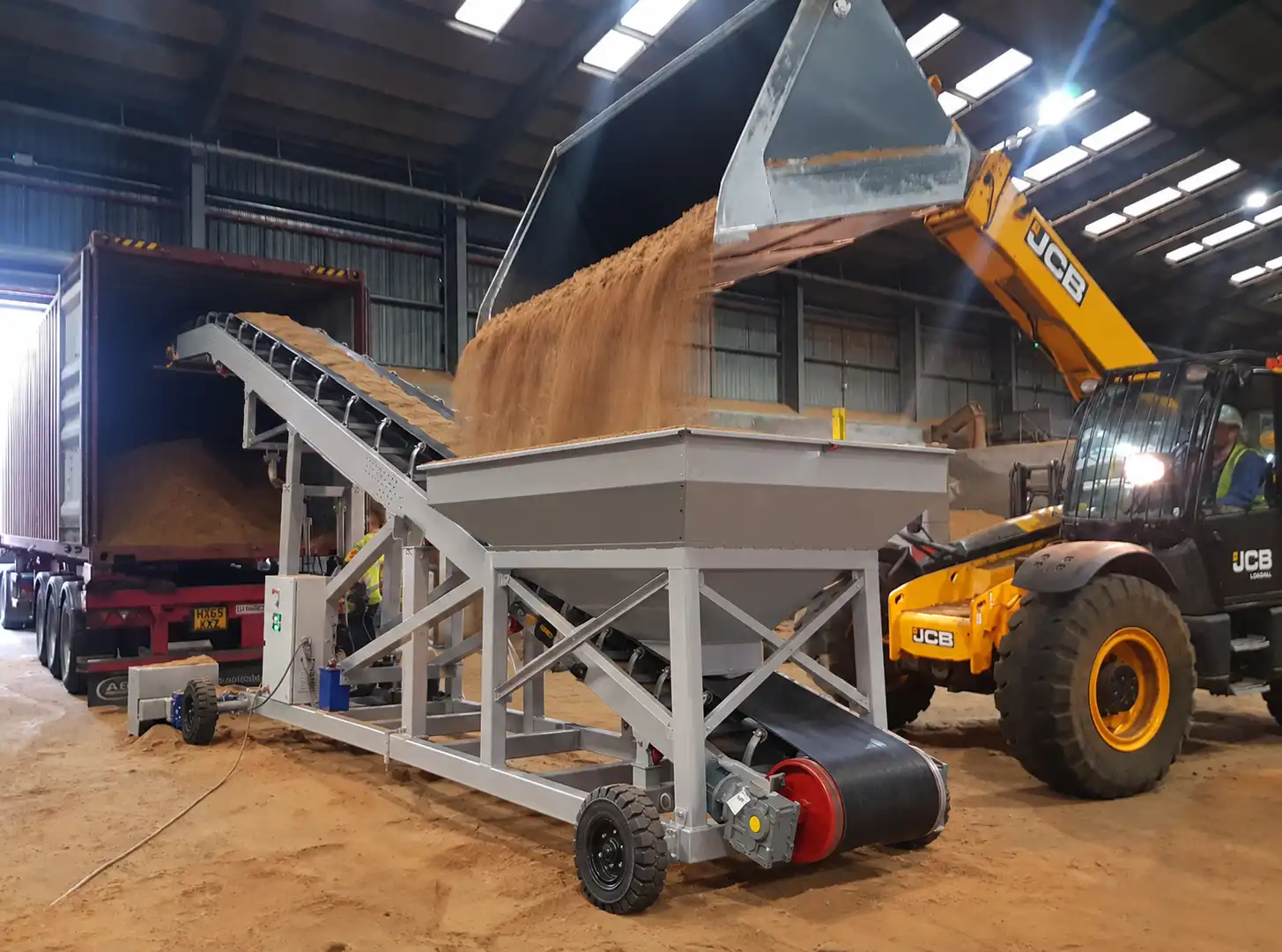
Ports, Warehouses and Container Yards
Move bulk goods or packed cargo between a container unloading point, truck, storage area and downstream equipment. For 20 ft or 40 ft containers, the feeding arrangement must match door access and how cargo leaves the container. Loose bulk materials may need a separate controlled feeding device.
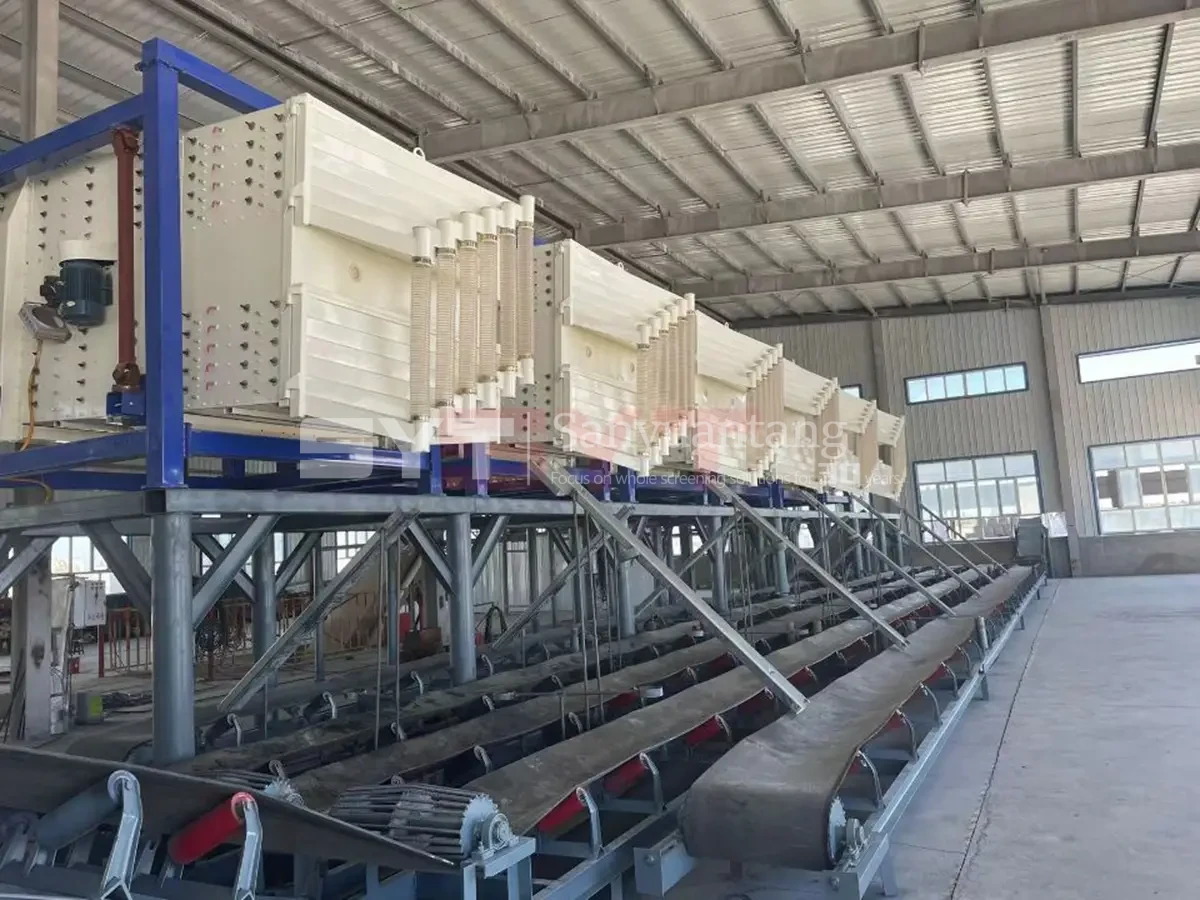
Sand Plants, Quarries and Mines
Transfer sand, gravel and crushed aggregate between feeders, crushers and vibrating screens. Plan transfer chutes and discharge points together with the screening equipment to control spillage and keep material moving through the line.
Grain, Food and Light Industry
Feed grain, suitable light products and packed goods into hoppers or packing stations. Choose belt material and a cleanable frame around the product and operating environment. For food contact, include the applicable material and documentation requirements in your inquiry.
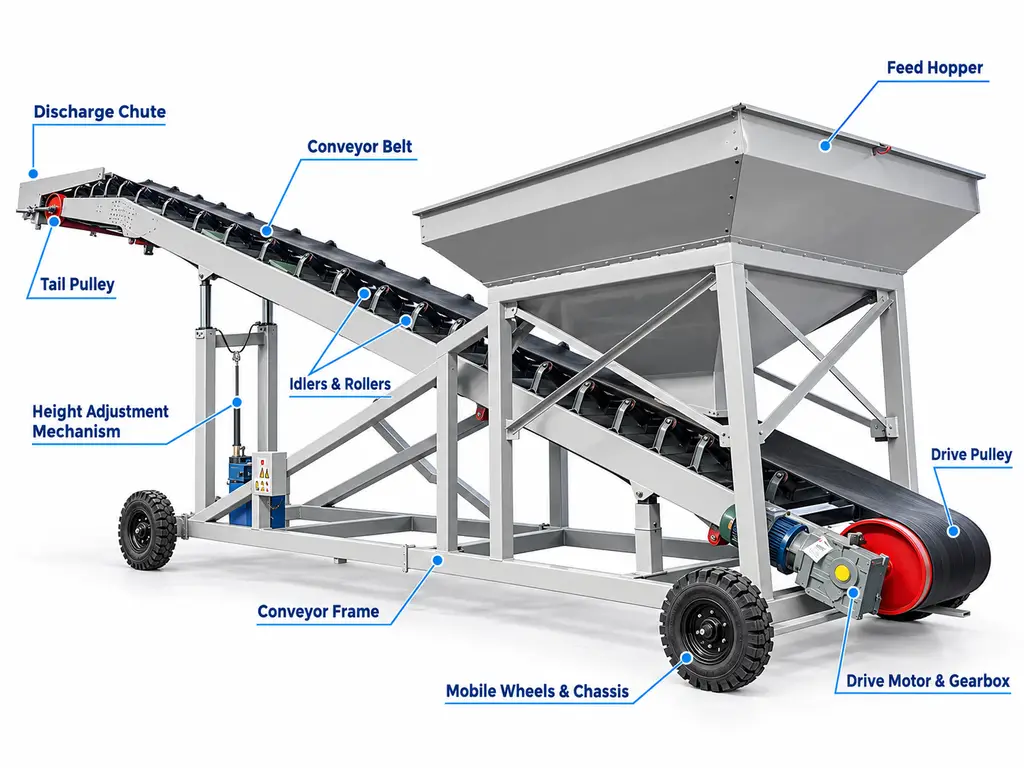
Parts of Belt Conveyor
Frames and Chassis
The frame supports the belt and load. Mobile units use a wheeled chassis; fixed units connect to the supporting structure along a permanent route.
Belt, Idlers and Drive
Select the belt surface, supporting rollers and drive around the material, load and incline. Fixed or variable speed can be considered for the process.
Controls and Guards
Specify start-stop controls, access for cleaning, moving-part guards and any required emergency stops or monitoring devices with the operating layout.
Hoppers, Cleats and Covers
Hoppers, chutes, skirts, cross cleats, sidewalls and dust covers help manage feeding, spillage and product roll-back. Options depend on the material.
Planning Your Conveyor, Installation and Support
A conveyor must fit the site as well as the material. Use the following information to define the supply scope before an order is confirmed.
1. Share Your Site Data
Send material properties, capacity, feed and discharge heights, available space and power supply. Add container dimensions and the unloading method where relevant.
2. Match the Configuration
Review belt type, width, conveying distance, incline and drive. Confirm the hopper, transfer chutes and connections to existing equipment.
3. Agree on Operating Checks
Include the checks required for your project, such as belt tracking, drive operation and feed-to-discharge alignment, when confirming the equipment scope.
4. Plan Installation and Spares
Identify the drawings, installation guidance and replacement belts, rollers or idlers needed for your project. Confirm documentation and spare-part supply with the quotation.
Belt Conveyor FAQ
How do I choose the belt width for a conveyor?
Start with the required t/h, bulk density, particle size and product dimensions. Belt speed, loading and incline also affect capacity. As reference sand conveyor ranges, B500 covers 40–80 t/h and B1000 covers 200–320 t/h. Send your material data to confirm the width and drive.
What is the difference between a mobile and a fixed belt conveyor?
A mobile conveyor uses a wheeled frame and can move between loading or unloading points. A fixed conveyor stays on a permanent route. Mobile units suit yards and temporary transfer points; fixed conveyors suit production lines and sand plants.
How steep can a PVC belt conveyor go?
Reference PVC configurations include 30°, 45° and 60° inclines, using cross cleats and sidewalls to help prevent roll-back and spillage. The suitable angle and capacity depend on the product, belt surface and feeding arrangement. Share the required lift height and available space for selection.
Can a belt conveyor unload a 20 ft or 40 ft container?
It can form part of the unloading arrangement for either container size. Conveyor length, feeding position and discharge height depend on door access and how the cargo is removed. Loose bulk materials may require an additional feeding device.
Can you customize belt length, width and angle?
Yes. Belt width, length, incline, material, hopper, sidewalls, cleats, speed control and covers can be selected around your site requirements. The final configuration is confirmed for the product and operating conditions.
What information do you need for a quote?
Provide the material and bulk density, particle size, moisture, required capacity in t/h, conveying distance, feed and discharge heights, available floor space and site voltage. For container unloading, add the container size and unloading method. A site photo or drawing helps.
Project Inquiry
Request a Belt Conveyor Quote
Send your material, required capacity and site layout. Our team can review the belt, drive, feeding arrangement and discharge height for your application.
Include material, capacity (t/h), length, incline, feed and discharge heights, and site voltage.
For container unloading, also include the container size and how the cargo leaves it. Attach a site drawing or photos using the contact page, or email sales@sanyuantang.com.