
Vibrating Screen Machines and Industrial Screening Equipment
A vibrating screen separates, grades and filters powders, granules and slurries by particle size using controlled vibration. Sanyuantang has manufactured screening machines in Xinxiang, Henan, China since 1994. Our range includes rotary, ultrasonic, tumbler, inline, linear and gyratory equipment, with configurations selected for the material, cut size and required throughput. Browse our industry applications for material-specific screening and handling considerations.
Tell us your material and target particle size. An engineer can recommend a model, and you can arrange a sample screening test before confirming the equipment configuration.
Since 1994 · ISO 9001 quality management · CE options by equipment · One-year machine warranty
Vibrating Screen Types We Manufacture
Choose by what you need to separate. Explore the equipment pages or request a configuration for specialist screening duties.
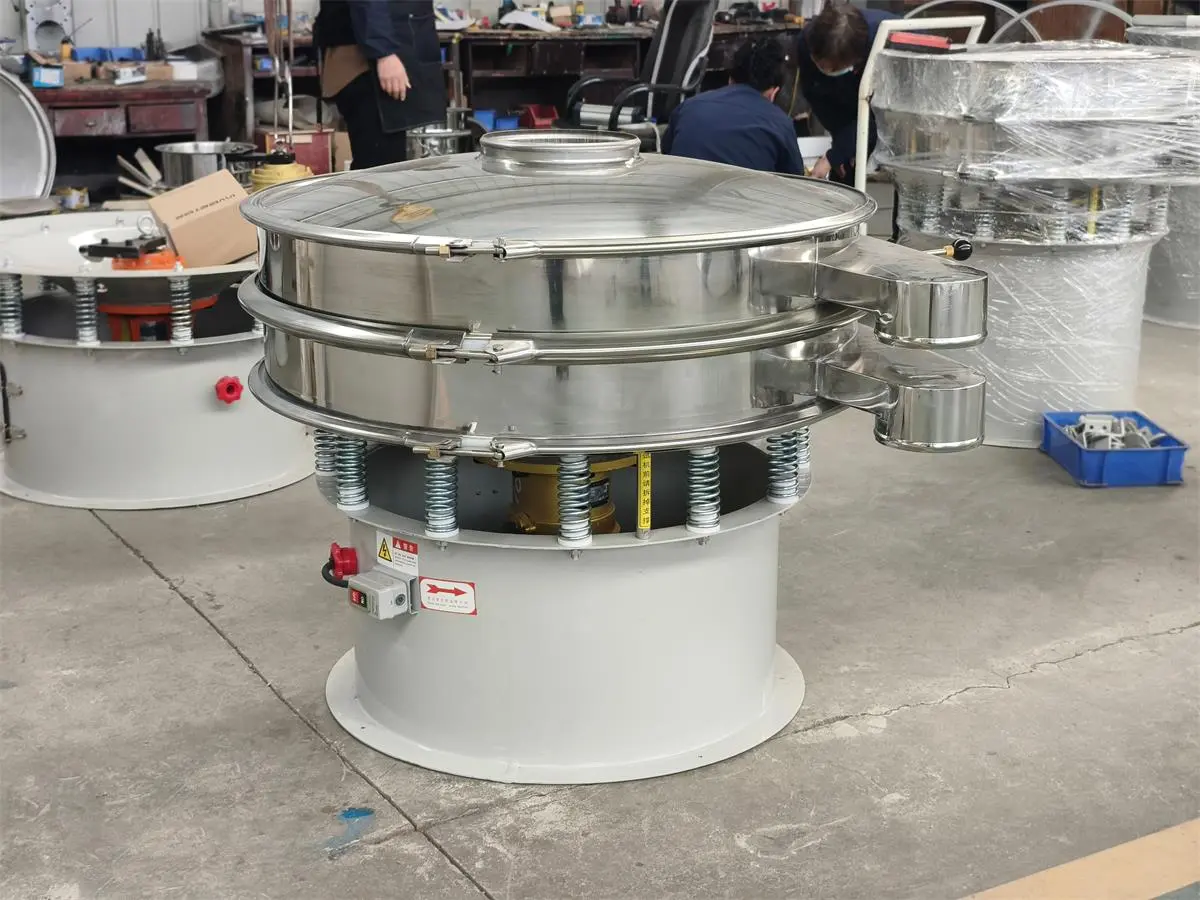
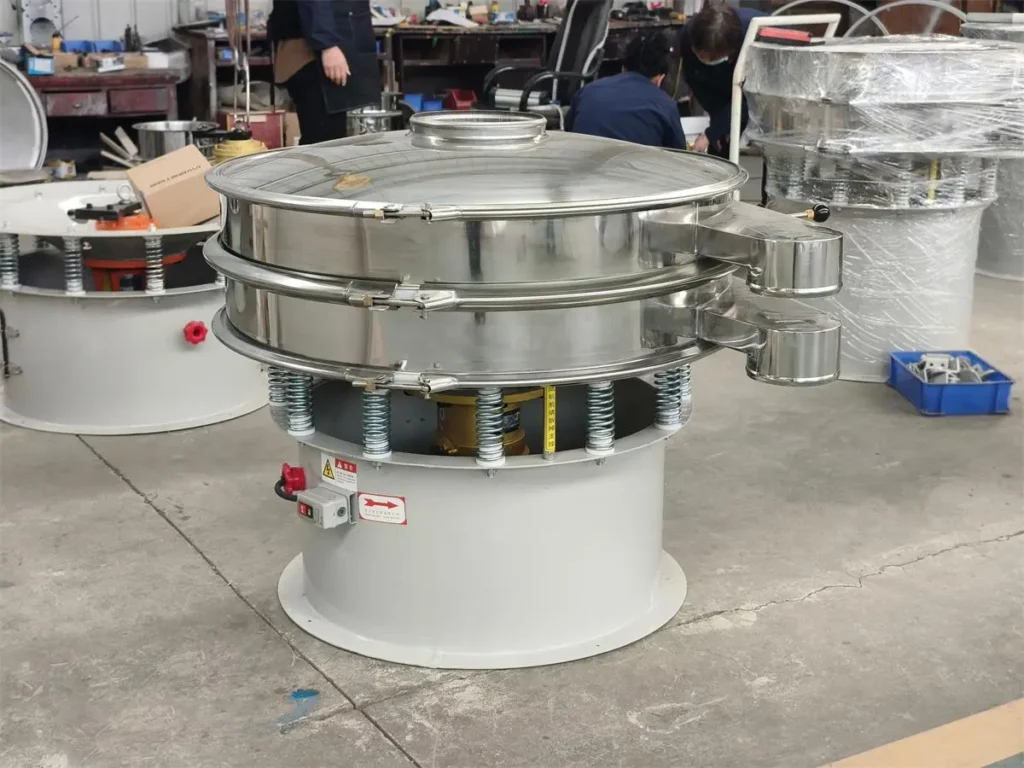
Rotary Vibrating Screen
2–500 mesh · 100–3,300 kg/h · 1–5 layers
The general-purpose choice for screening, impurity removal, filtration and grading of powders, granules, liquids and slurries.
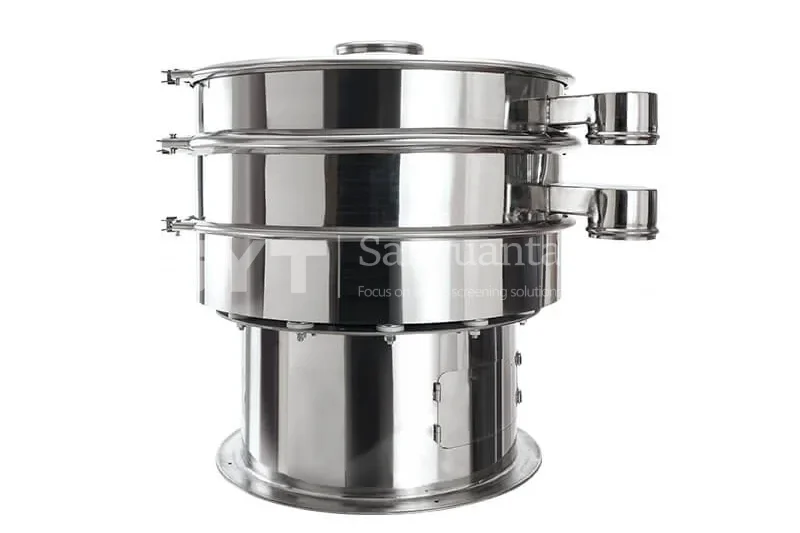
Vibro Sifter
SY-XZS series · 380–1770 mm effective diameter
Cleanable SS304 or SS316 contact parts, enclosed connections and screen-cleaning options can be configured for food and pharmaceutical powders. Final hygiene and cleaning requirements are agreed for the application.
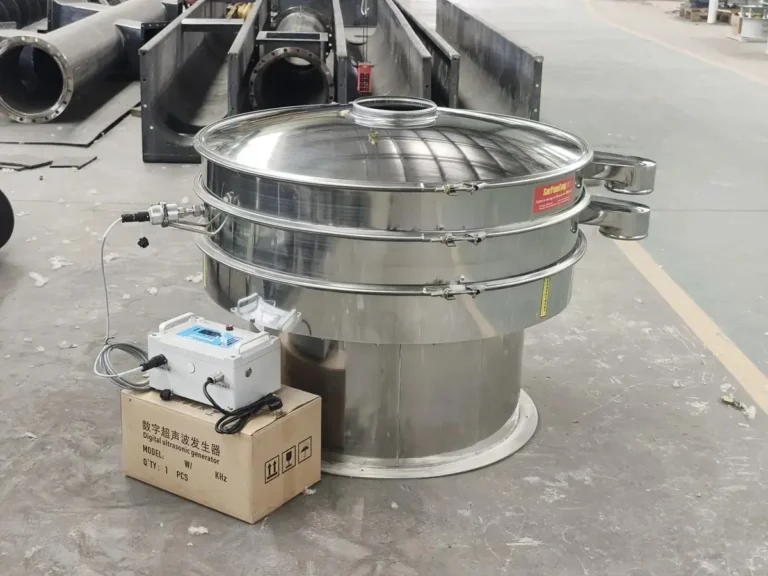
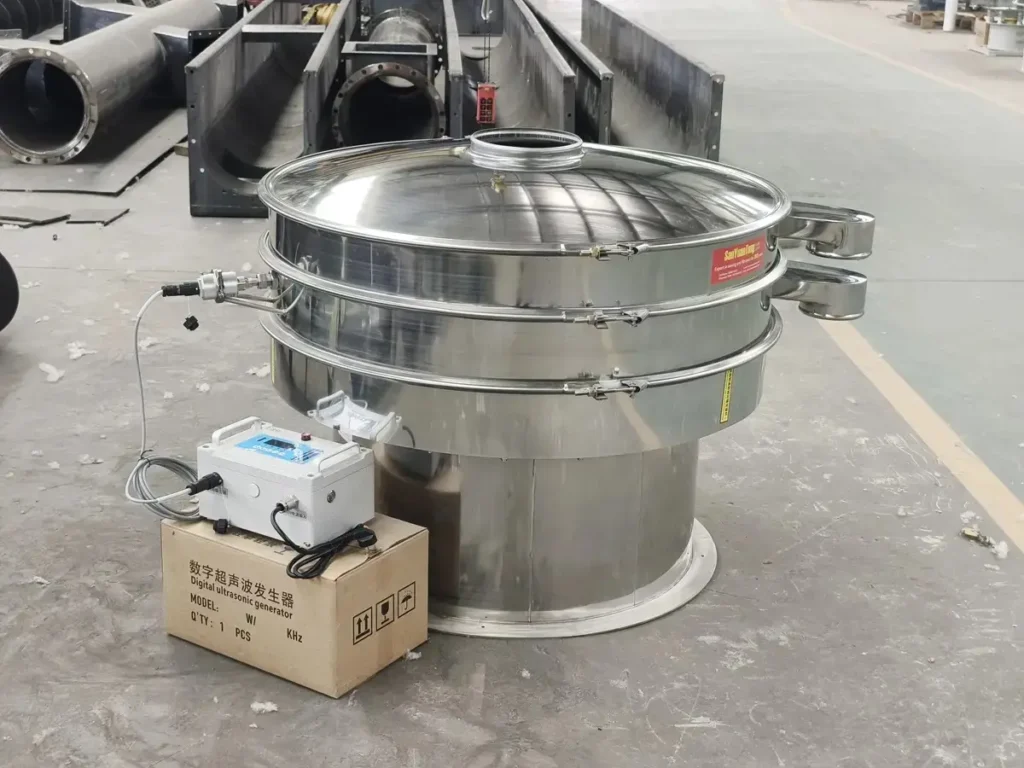
Ultrasonic Vibrating Screen
10–635 mesh · 100–3,300 kg/h · 1–3 layers
An ultrasonic system helps reduce mesh blinding when fine powders clump, carry static charge or adhere to the mesh. Material trials support final configuration.
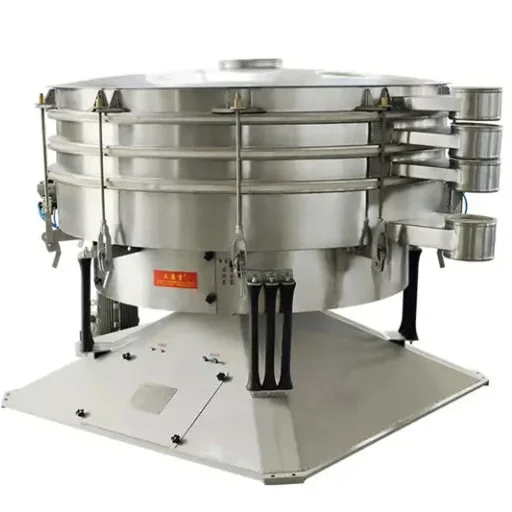
Tumbler Screening Machine
2–500 mesh · 100–4,500 kg/h · 1–5 layers
A gentle motion resembling hand sieving suits fragile particles and fine powders. Screening efficiency and product recovery depend on the material and test conditions.
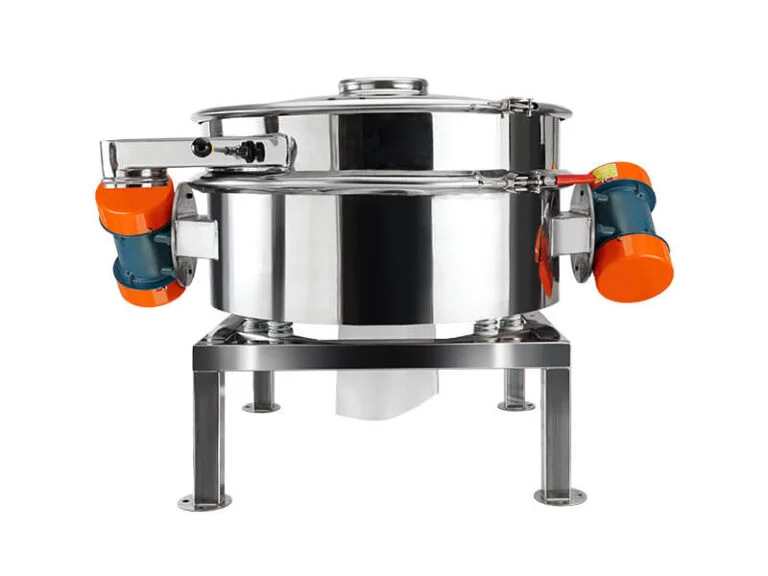
Inline Vibratory Screen
2–100 mesh · 100–8,000 kg/h · 1–2 layers
The inlet and outlet share a vertical axis for direct discharge. Common applications include rapid impurity removal on flour and other powder processing lines.
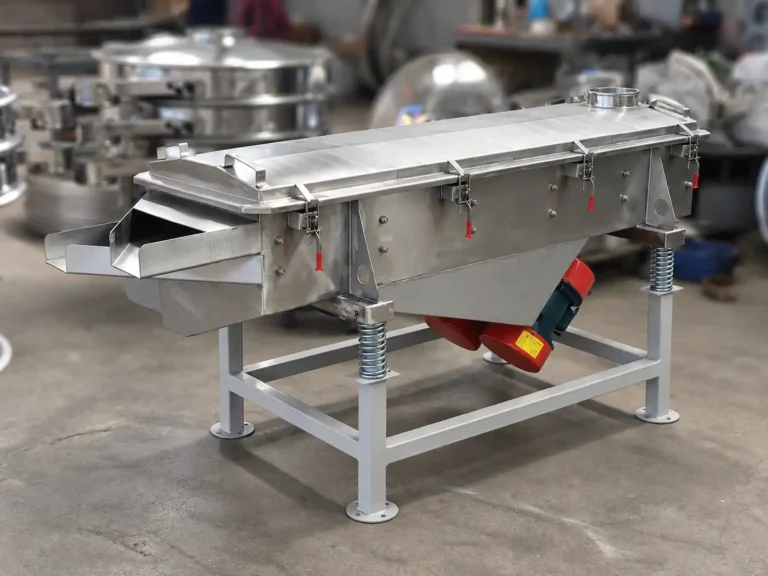
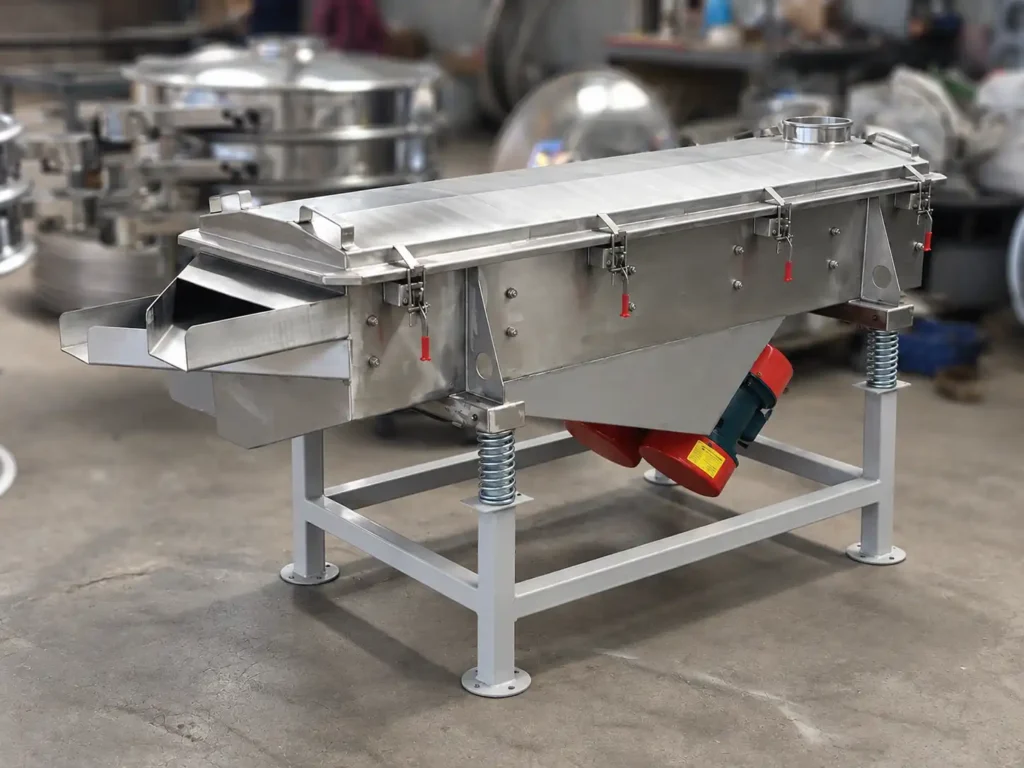
Linear Vibrating Screen
2–100 mesh · 300–4,000 kg/h · 1–5 layers
Dual motors generate straight-line motion for dry powder and granule separation, coarse screening and controlled movement of material.
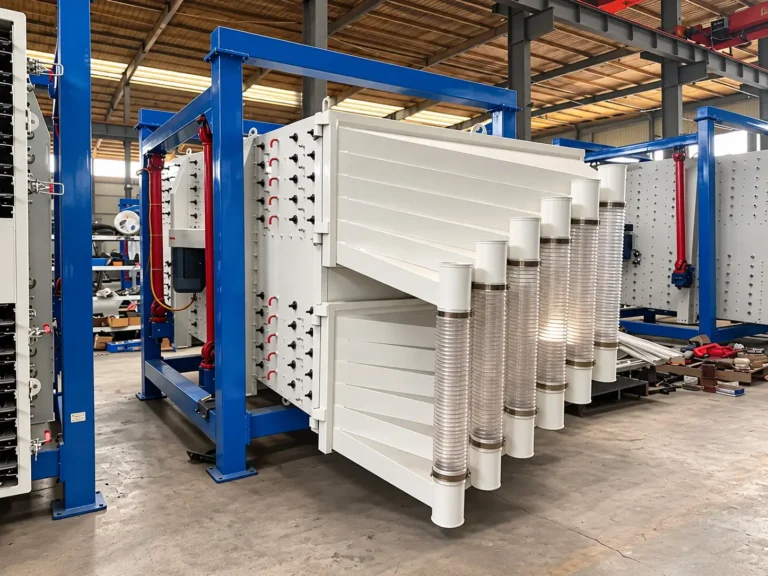
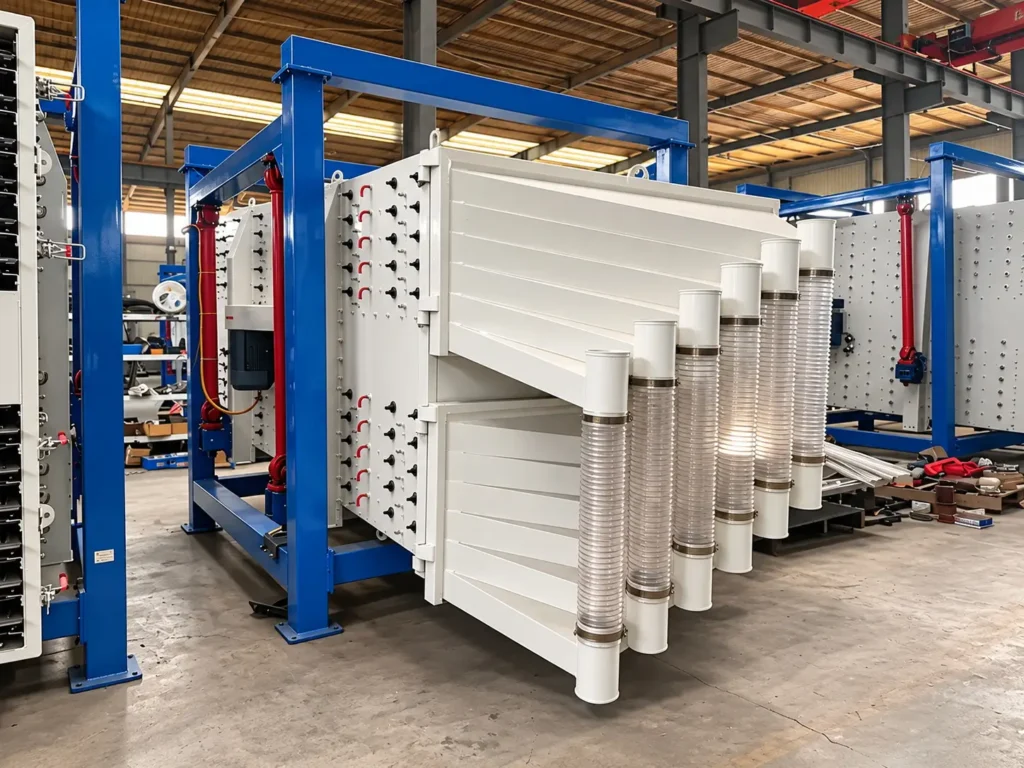
Gyratory Sifter
FYBS series · 2–200 mesh · 1–10 decks
Designed for high-capacity, multi-grade classification of dry powders and granular materials. Select deck arrangement, contact material and outlets for the process duty.
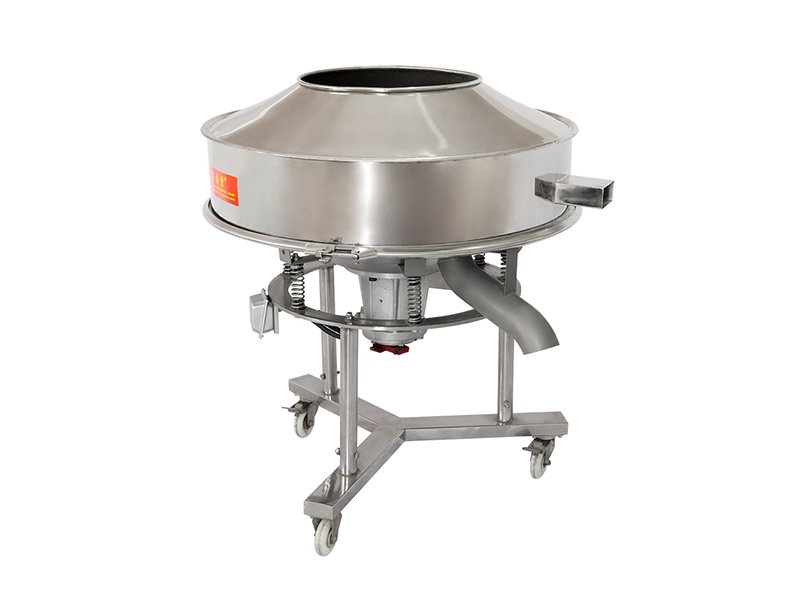
High-Frequency Filter Screen
5–500 mesh · 100–1,000 kg/h · Single layer
High-frequency vibration supports solid-liquid separation for pulp, paint, ceramic glaze and other suitable slurries.

450 Vibrating Filter Screen
4–400 mesh · 100–1,200 kg/h · Single layer
A compact, movable stainless steel machine for removing impurities and insoluble solids from small batches of powder or liquid.
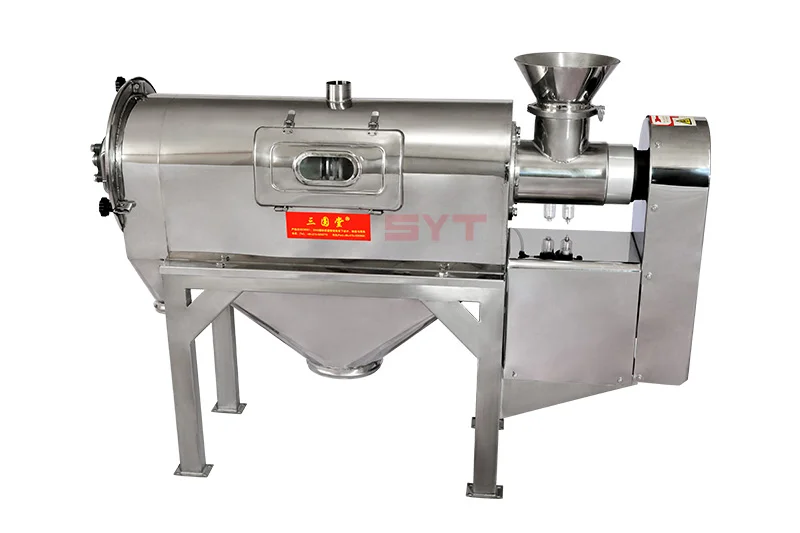
Rotary Airflow Sifter
100–5,000 kg/h · Aperture selected for the material
Airflow and centrifugal force screen lightweight, fibrous, cohesive or static-prone powders. Confirm the required aperture with a material trial.
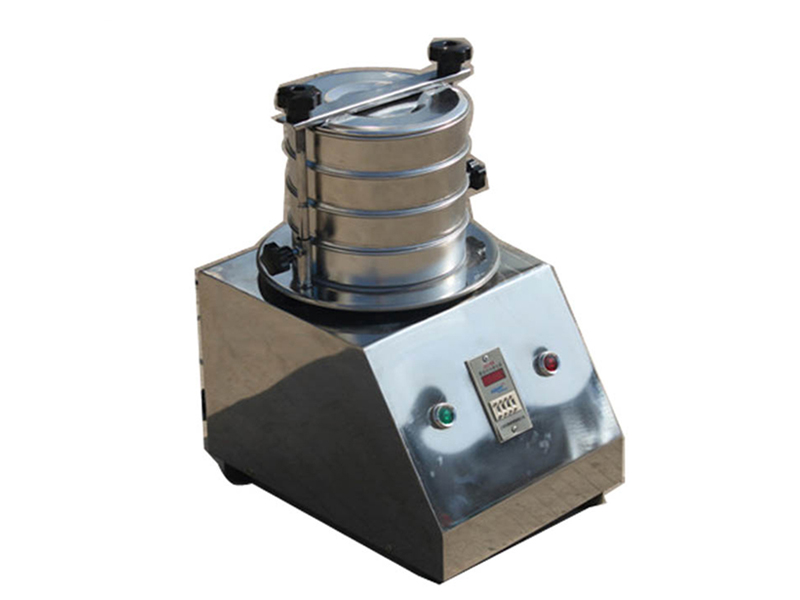
Lab Test Sieve Shaker
5–635 mesh · 1–7 layers
A laboratory screening machine for particle-size distribution analysis and selected impurity or liquid-solid content measurements.

Bulk Bag Dump Station
5–500 mesh · 100–5,000 kg/h · 1–5 layers
A hopper and screener combine manual bag unloading with screening. Dust-control arrangements are configured for the material and workplace.
Ranges shown are references for selected configurations. They are not guaranteed capacities for every material; finer apertures, moisture, feed distribution and screen loading affect performance.
How to Choose a Vibrating Screen
Start with the material, target aperture, hourly capacity and site requirements. These details let an engineer compare practical machine configurations.
By Material
Free-flowing dry powders and granules often suit linear or rotary screens. Cohesive or static-prone powders may need ultrasonic deblinding or airflow screening. Liquids and slurries can use rotary or high-frequency filters. Gentle tumbler motion can suit fragile particles.
By Mesh Range and Cut Size
For coarse separation between 2 and 100 mesh, consider linear and inline screens. Finer duties may call for rotary, tumbler or ultrasonic machines. Specify the aperture in microns or millimeters as well as mesh. Use the Mesh Size Converter.
By Capacity and Number of Layers
Each screen layer adds a separation cut; a three-layer machine can produce four fractions. Give the required hourly throughput, bulk density, moisture and feed-size distribution so the screen area and deck arrangement can be selected.
By Hygiene and Safety Requirements
Food and pharmaceutical duties need suitable contact materials, seals, access for cleaning and dust control. Combustible dust requires an application-specific safety assessment; electrical and anti-static provisions must be confirmed against the agreed site requirements.
Vibrating Screen Specification Comparison
| Machine | Mesh | Capacity | Layers | Best for |
|---|---|---|---|---|
| Rotary Vibrating Screen | 2-500 | 100-3,300 kg/h | 1-5 | Powders, granules, liquids, slurries |
| Ultrasonic Vibrating Screen | 10-635 | 100-3,300 kg/h | 1-3 | Fine, clumping, static or sticky powders |
| Tumbler Screening Machine | 2-500 | 100-4,500 kg/h | 1-5 | Fragile fine and ultra-fine powders |
| Inline Vibratory Screen | 2-100 | 100-8,000 kg/h | 1-2 | High-speed impurity removal, flour |
| Linear Vibrating Screen | 2-100 | 300-4,000 kg/h | 1-5 | Dry powder and granule coarse screening |
| High-Frequency Filter Screen | 5-500 | 100-1,000 kg/h | 1 | Slurry, paint, glaze |
| 450 Vibrating Filter Screen | 4-400 | 100-1,200 kg/h | 1 | Small-batch powder or liquid filtering |
| Rotary Airflow Sifter | Confirm for material | 100-5,000 kg/h | n/a | Ultrafine, light, high-fiber powders |
| Lab Test Sieve Shaker | 5-635 | n/a | 1-7 | Particle size analysis |
| Bulk Bag Dump Station | 5-500 | 100-5,000 kg/h | 1-5 | Bag and drum unloading with screening |
Capacity depends on material bulk density, mesh size and feed conditions. Figures are typical reference ranges, not guarantees for a specific material. Gyratory sifter and hygiene-specific vibro sifter configurations are reviewed separately against their product specifications.
What a Vibrating Screen Does
Screening and Grading
Material passes through selected screen apertures and separates into size grades. Each fraction leaves through its own discharge outlet.
Impurity Removal
Oversize lumps, foreign material and off-spec particles are removed before packing or downstream processing.
Liquid and Slurry Filtration
Suspended particles and solids are retained from suitable liquids and slurries, including starch slurry, paint, ceramic glaze and juice.
Applications by Industry
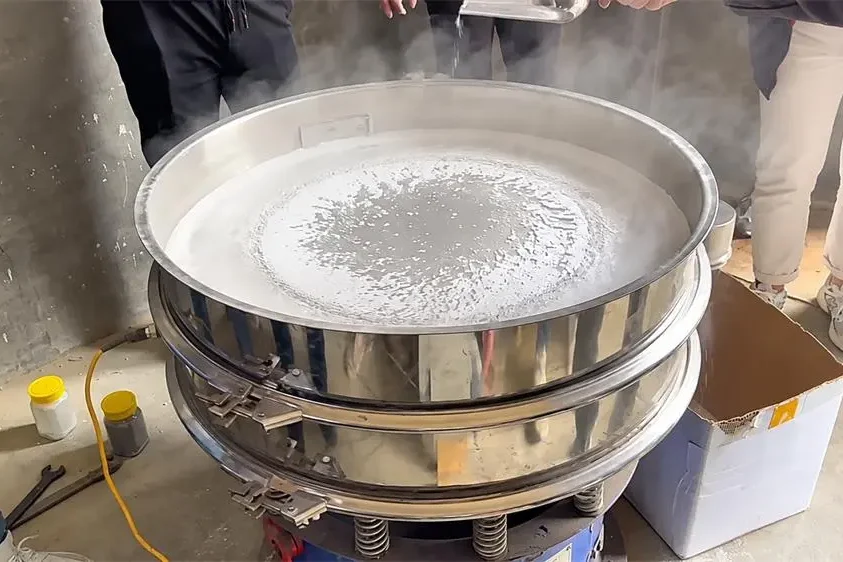
Food and Beverage
Flour, tapioca flour, powdered sugar, spices, starch, coffee, seasonings, soy milk, juice and palm oil.
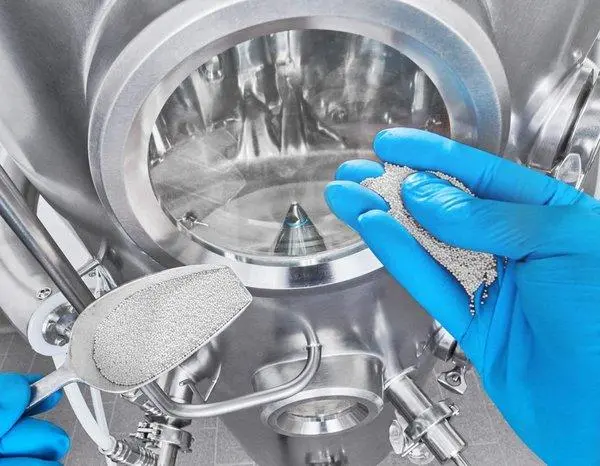
Pharmaceuticals
Raw materials, medicinal powders, pharmaceutical granules and other materials requiring suitable hygiene controls.
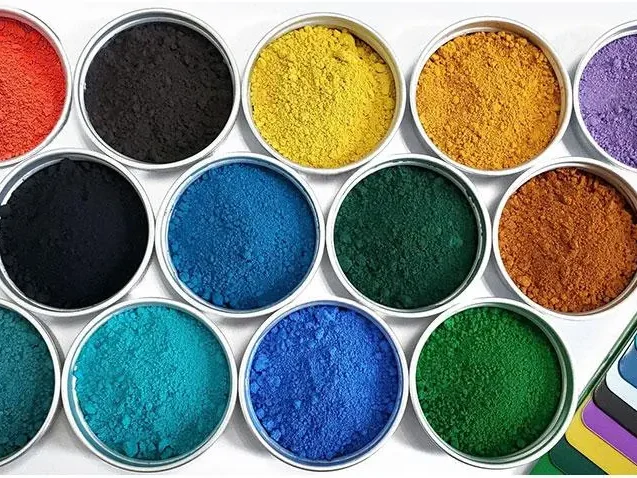
Chemicals, Coatings and Plastics
Powder coating, plastic granules, polyethylene, fertilizers and chemical raw materials.
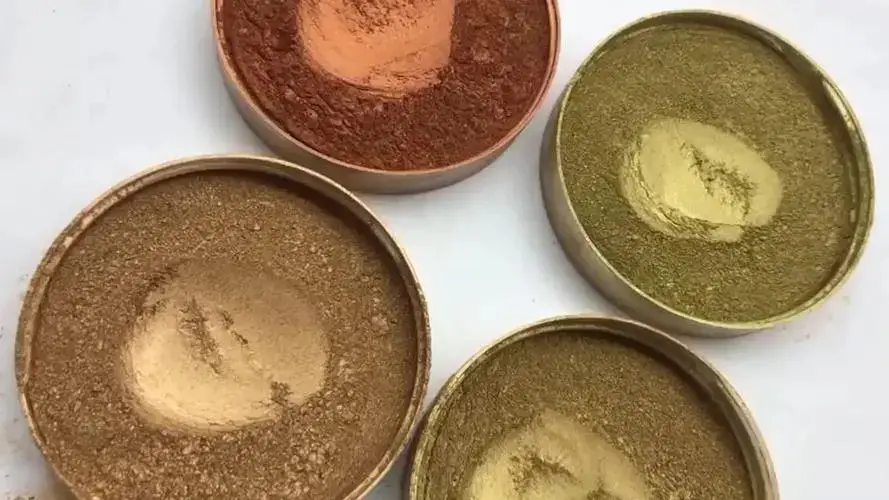
Metal Powder and Minerals
Quartz sand, mica, brown corundum, calcium carbonate, bentonite and metal silicon powder.
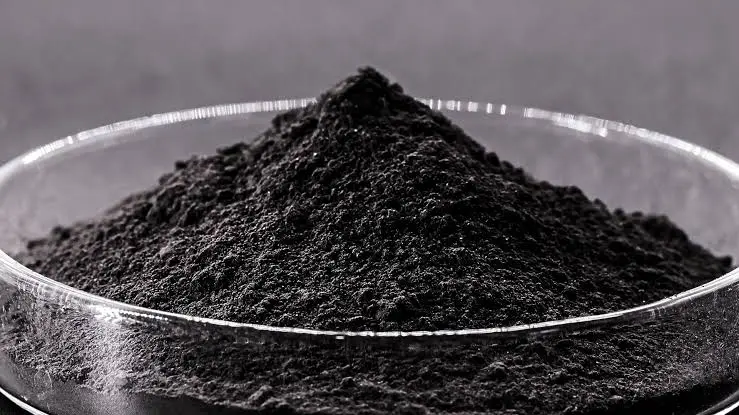
New Energy Materials
Graphite, battery anode materials and lithium manganate, subject to the required aperture, contamination controls and dust-safety review.
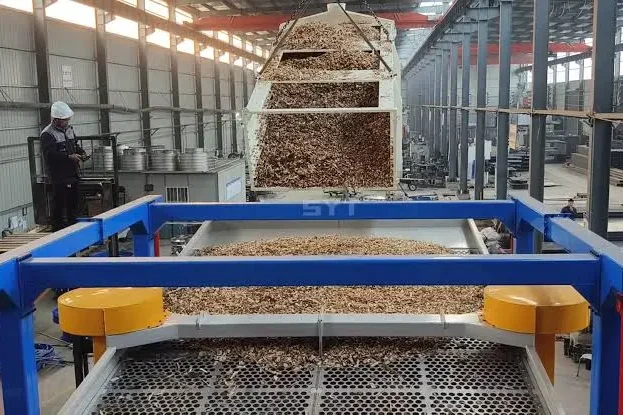
Wood and Biomass
Sawdust, wood chips, shavings and other biomass materials requiring size grading.
For coarse, high-tonnage sand and gravel applications, explore Sand & Gravel Screening Equipment. Related duties are covered in powder coating and plastics recycling solutions.
Custom Vibrating Screens and Free Test Run
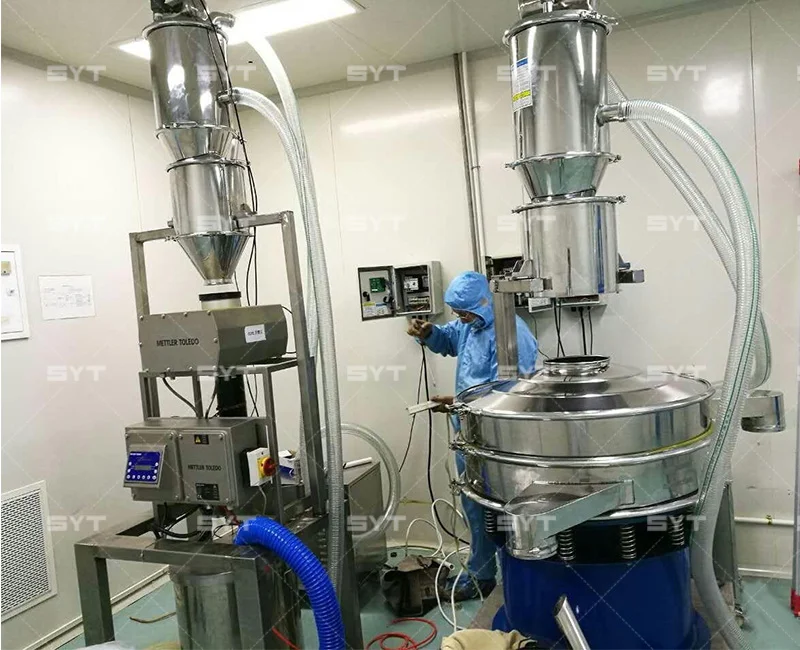
What You Can Customize
Mesh aperture, number of layers, frame dimensions, contact-part material, feed and discharge positions, outlet count and production-line interfaces can be specified for the application. Share drawings or layout requirements when available.
How the Free Test Run Works
- Contact us to agree sample quantity, preparation and shipping arrangements.
- We screen the sample on a suitable machine and configuration.
- You receive screening results and a video of the test.
- An engineer reviews the results and prepares a technical proposal. We aim to provide an initial proposal within 24 hours once the required information is available.
Factory, Quality Control and Certifications
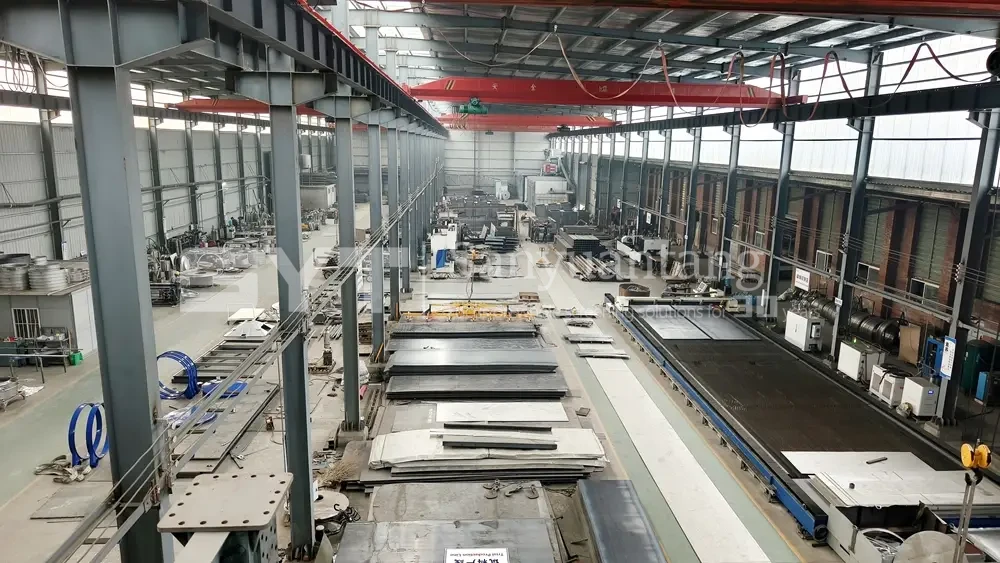
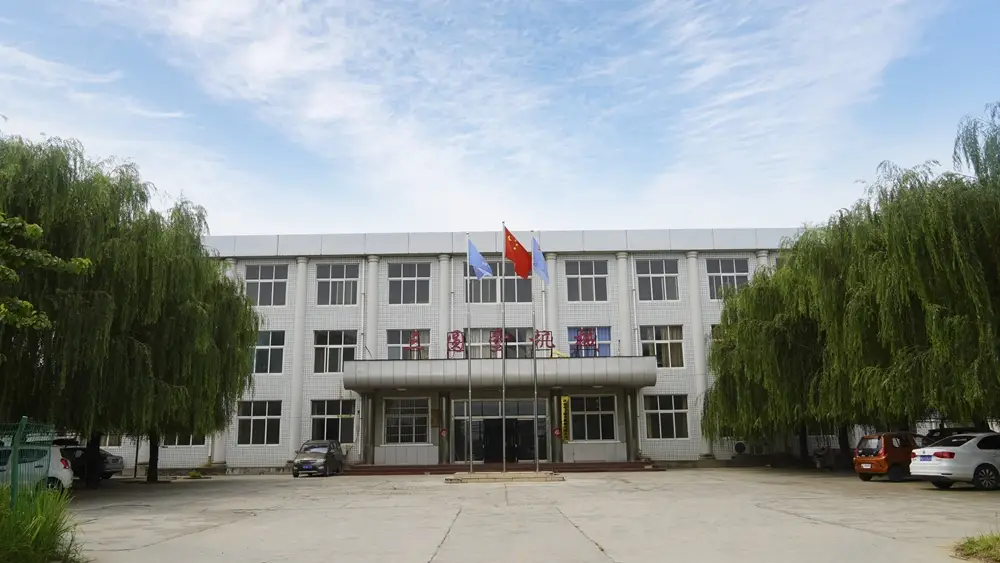
8,000 m² Manufacturing Base
Our manufacturing site in Xinxiang, Henan covers 8,000 m², including 5,000 m² of heavy-industry workshops. Metal processing, welding and assembly facilities support in-house production. More than 100 staff, including over 50 management and technical personnel, work here, supported by two screening-equipment R&D studios.
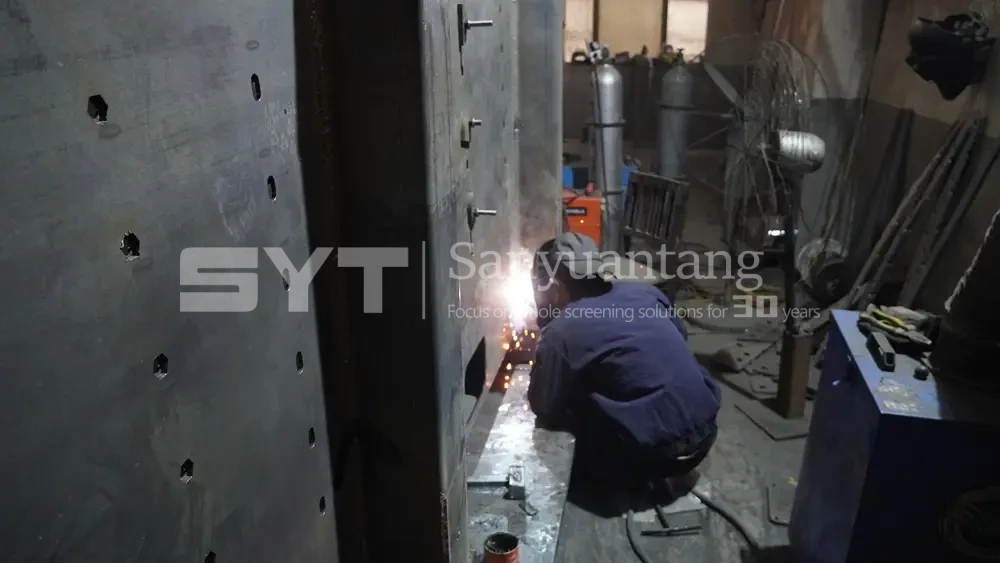
Quality Control
Pre-shipment review checks the approved configuration, assembly, screen installation and no-load operation. Machine-specific inspection requirements and any requested test records are agreed before manufacture.
ISO, CE and Patents
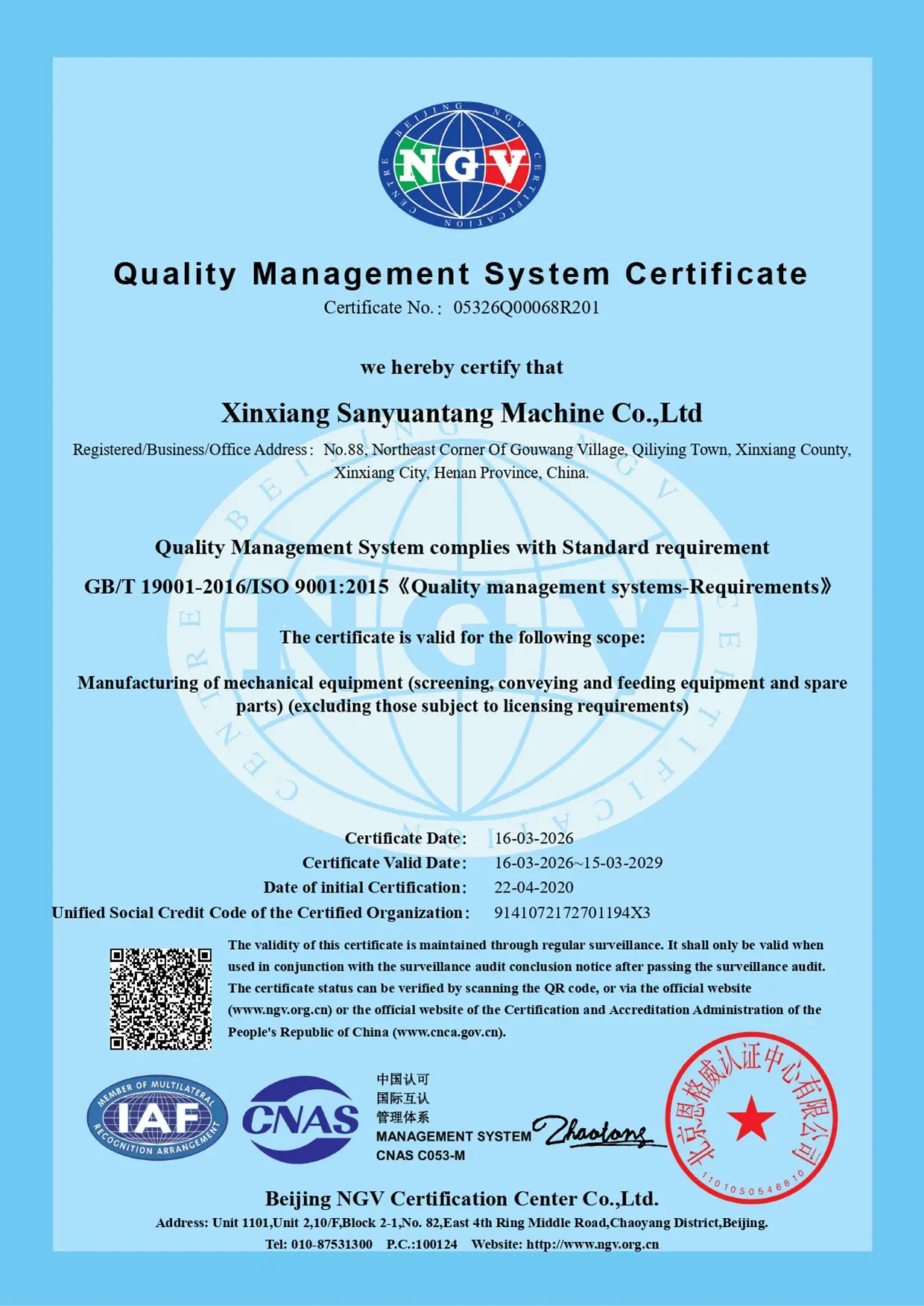
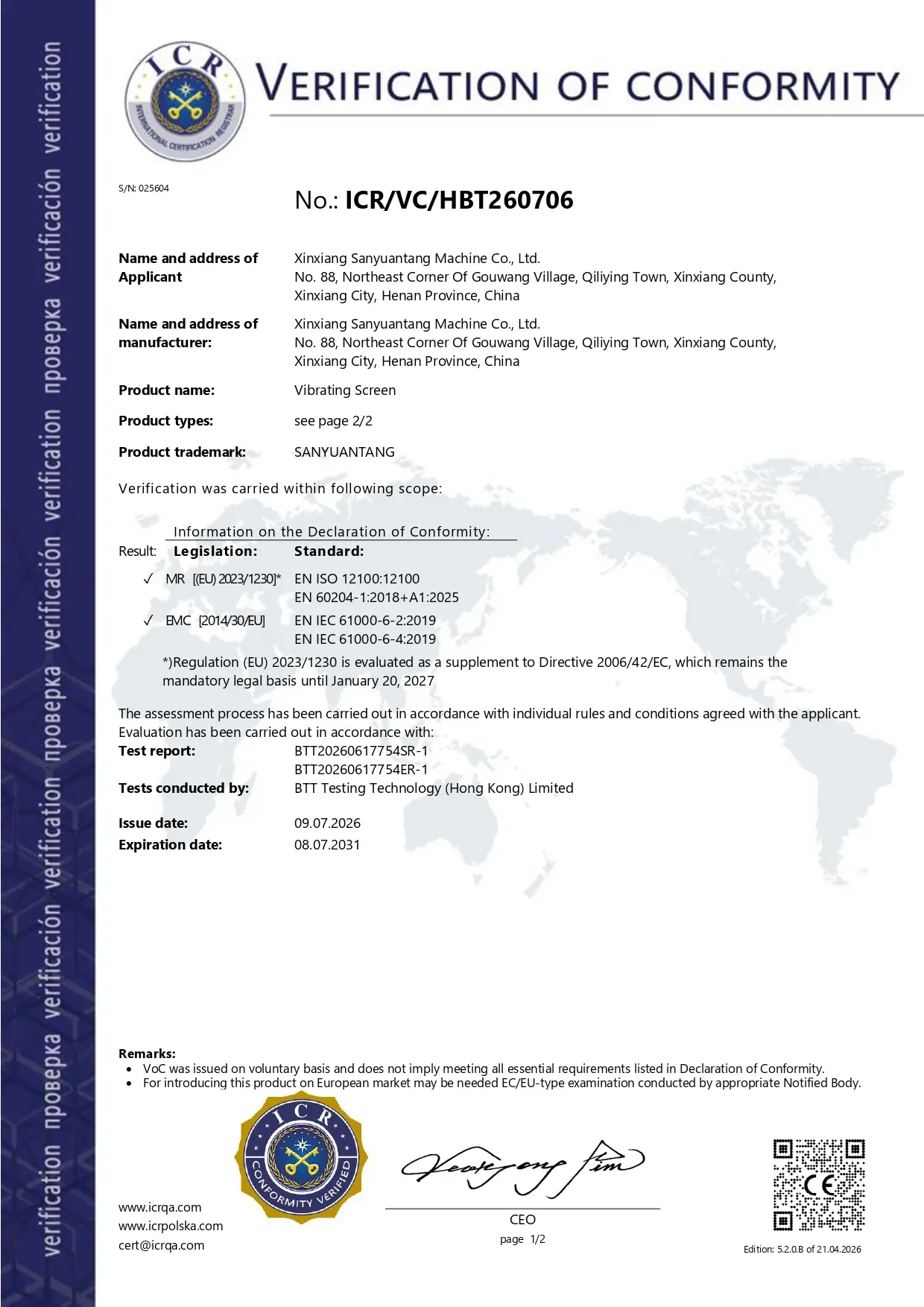
Sanyuantang operates an ISO 9001 quality management system and has accumulated more than 40 product patents. CE documentation is confirmed for the applicable equipment and agreed supply scope.
Delivery, Warranty and Support
Standard equipment can generally be dispatched within five days; customized equipment and complete lines have project-specific lead times confirmed in the quotation. Our standard warranty covers the machine for one year and core components for six months. Applicable terms and exclusions are set out in the quotation and contract. Technical guidance, drawings and online video support are available.
Customer Cases
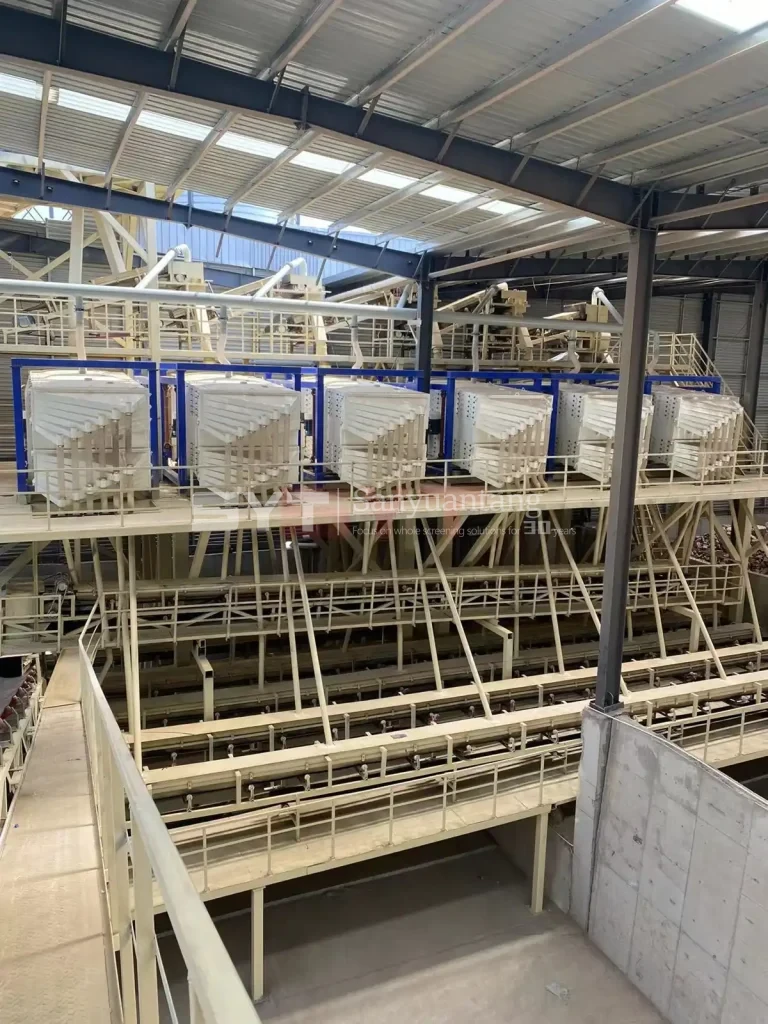
Quartz Sand Classification Line
A multi-unit gyratory screening project for classifying dry quartz sand into several particle-size grades. Explore the project configuration and operating requirements.
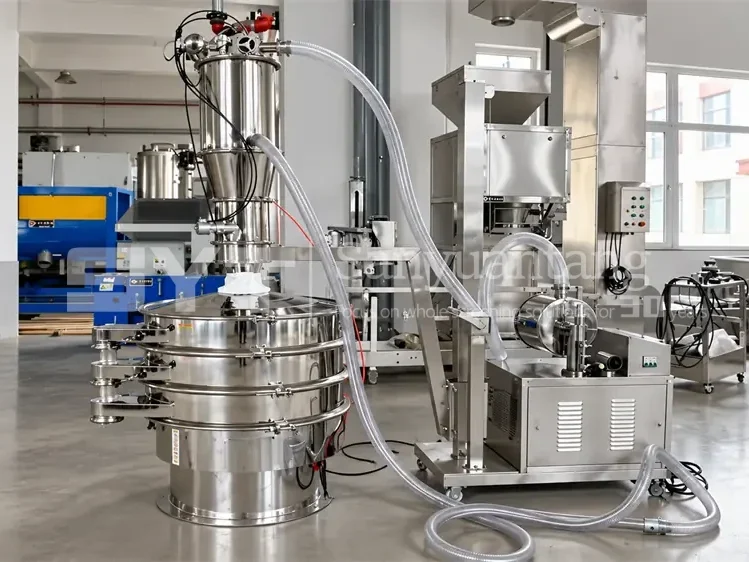
Food Powder Screening and Vacuum Feeding
A food-powder project combining enclosed vacuum transfer with vibro sifting for impurity removal and classification.
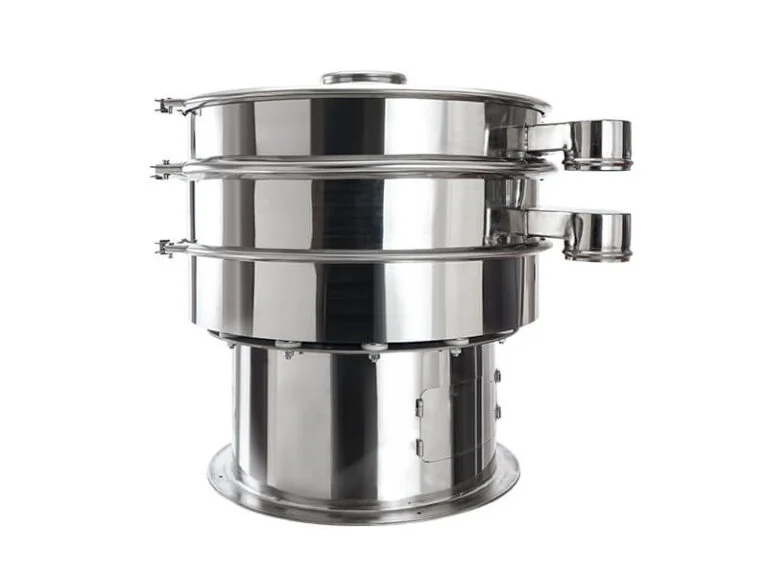
Food Salt Screening with SS316 Contact Parts
An 1800 mm rotary vibrating screen configuration for food salt, with SS316 contact parts and multiple target screen openings.
Vibrating Screen FAQs
What is the difference between a rotary vibrating screen and a tumbler screen?
A rotary screen uses circular vibration for general screening, grading and suitable liquid filtration. A tumbler screen uses a gentler, hand-sieving motion that can suit fragile particles and fine powders.
Which screen works for fine or sticky powder?
An ultrasonic vibrating screen can reduce blinding for selected fine or cohesive powders. Airflow sifters are another option for lightweight or fibrous materials. Material testing helps identify the suitable design.
How do I choose the mesh size?
Start with the required separation aperture and target particle-size distribution. Use the Mesh Size Converter as a reference, and provide the required throughput because finer apertures can reduce capacity.
What capacity can I expect?
The reference ranges in this comparison extend from 100 to 8,000 kg/h for selected screening configurations. Actual output depends on machine type, material density, moisture, aperture and feed conditions. Gyratory screening duties are sized separately.
How does the free test run work?
Contact us before sending a sample so preparation and shipping arrangements can be agreed. We screen the material, share test results and video, and use the findings to prepare a suitable proposal.
What warranty and support do you offer?
Our standard warranty covers the machine for one year and core components for six months. Applicable terms and exclusions are set out in the quotation and contract. Technical guidance, drawings and online video support are available.
Related Equipment and Resources
Sand & Gravel Screening Equipment · Belt Conveyor Systems · Vertical Conveying Equipment · Powder Feeding Equipment · Vibrating Screen Parts · Mesh Size Converter · Product Catalogs · Equipment Videos · FAQ
Request a Quote
Send your material, target particle size or mesh, hourly capacity and any installation or hygiene requirements. Our team will review the application and recommend the next step.
Email: salessales@sanyuantang.com
Phone / WhatsApp: +86 16638408032
Factory: No. 88, Northeast Corner of Gouwang Village, Qiliying Town, Xinxiang County, Xinxiang City, Henan Province, China.