
Sanyuantang provides screening, feeding, conveying, and filtration equipment for chemical powders, plastic resins, pigments, industrial salts, fertilizers, and granular materials. Our vibrating screens and powder handling equipment are used to remove impurities, classify particles, and transfer materials between production stages.
We select equipment according to the material’s particle size, flowability, chemical properties, and required capacity. From standalone chemical vibrating screens to integrated powder conveying and screening systems, we provide equipment configurations for different chemical processing requirements.
Chemical Powder & Granule Screening Applications
Chemical materials vary in particle size, density, moisture content, and chemical properties. Some powders flow easily through a screen, while others are prone to clumping, static electricity, or screen blockage.
Sanyuantang provides screening and handling equipment for a range of chemical powders and granules, with machine configurations selected according to the material and its processing requirements.
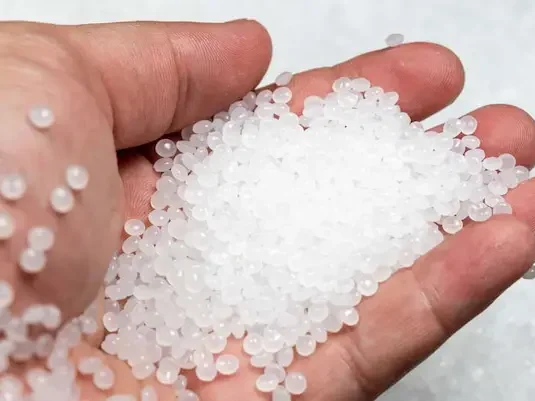
Resins & Plastic Materials
PVC resin, polyethylene powder, polypropylene granules, masterbatch, and other plastic materials are screened to remove oversized particles, fines, and foreign material before further processing.
We use rotary vibrating screens for resin powder screening and linear vibrating screens for continuous plastic granule grading. Screen openings and discharge arrangements are selected according to the required particle size.
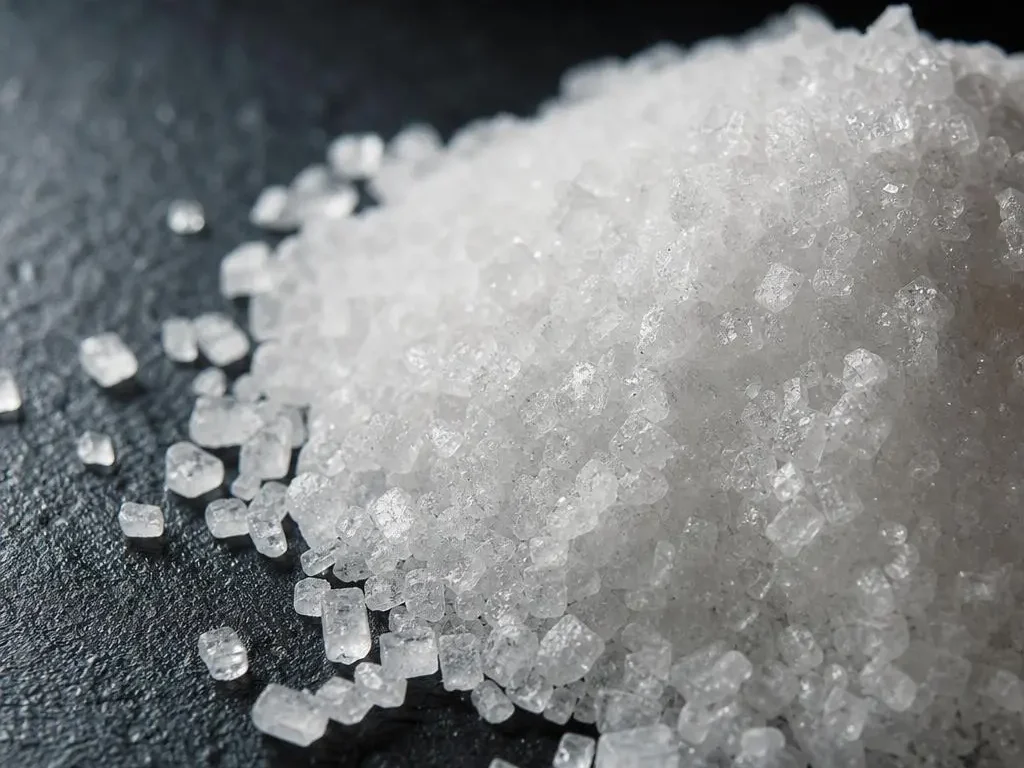
Chemical Salts & Inorganic Powders
Soda ash, sodium sulfate, potassium sulfate, calcium chloride, and other inorganic chemicals may form lumps during storage and handling. Screening helps remove these agglomerates and separate materials into the required size fractions.
For moisture-sensitive or corrosive materials, we also consider contact material compatibility, enclosed feeding, and equipment cleaning requirements.
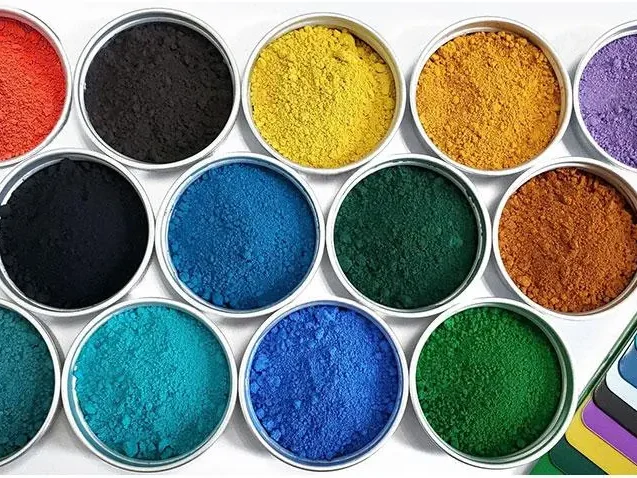
Pigments & Carbon Materials
Pigments, carbon black, activated carbon, and other fine chemical powders can be difficult to screen because of their low bulk density, particle adhesion, or tendency to form agglomerates.
Ultrasonic vibrating screens can be considered for fine powders that repeatedly block conventional screens. We evaluate the material properties and required mesh before recommending a suitable screening method.
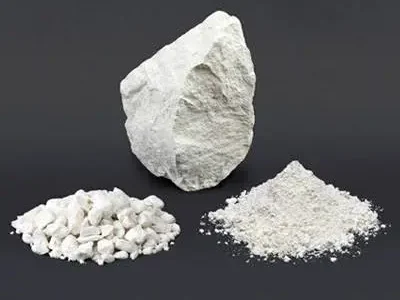
Mineral Fillers & Fine Powders
Calcium carbonate, silica, talc, glass powder, and other mineral fillers are commonly screened before blending, compounding, or packaging.
Screening removes coarse particles and unwanted material, while finer classification may require additional screening decks or ultrasonic assistance. We select the screen opening according to the required particle size rather than using a fixed mesh for every filler.
Fertilizers & Chemical Granules
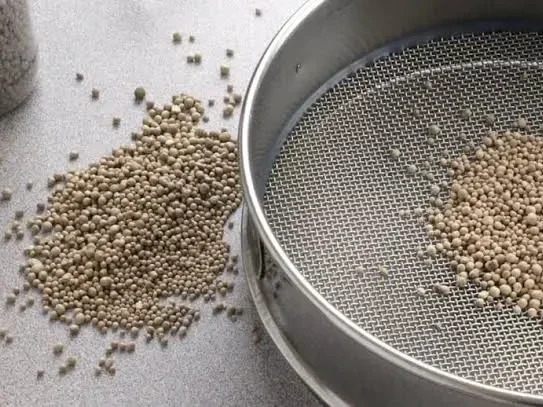
Fertilizer granules, potassium sulfate, industrial salts, and other granular chemical materials often contain oversized pieces and fines after granulation, drying, or conveying.
Linear vibrating screens and multi-deck screening equipment separate these fractions before storage or packaging. Screen apertures and deck arrangements are selected according to the required granule size distribution.
Chemical Liquids & Slurries
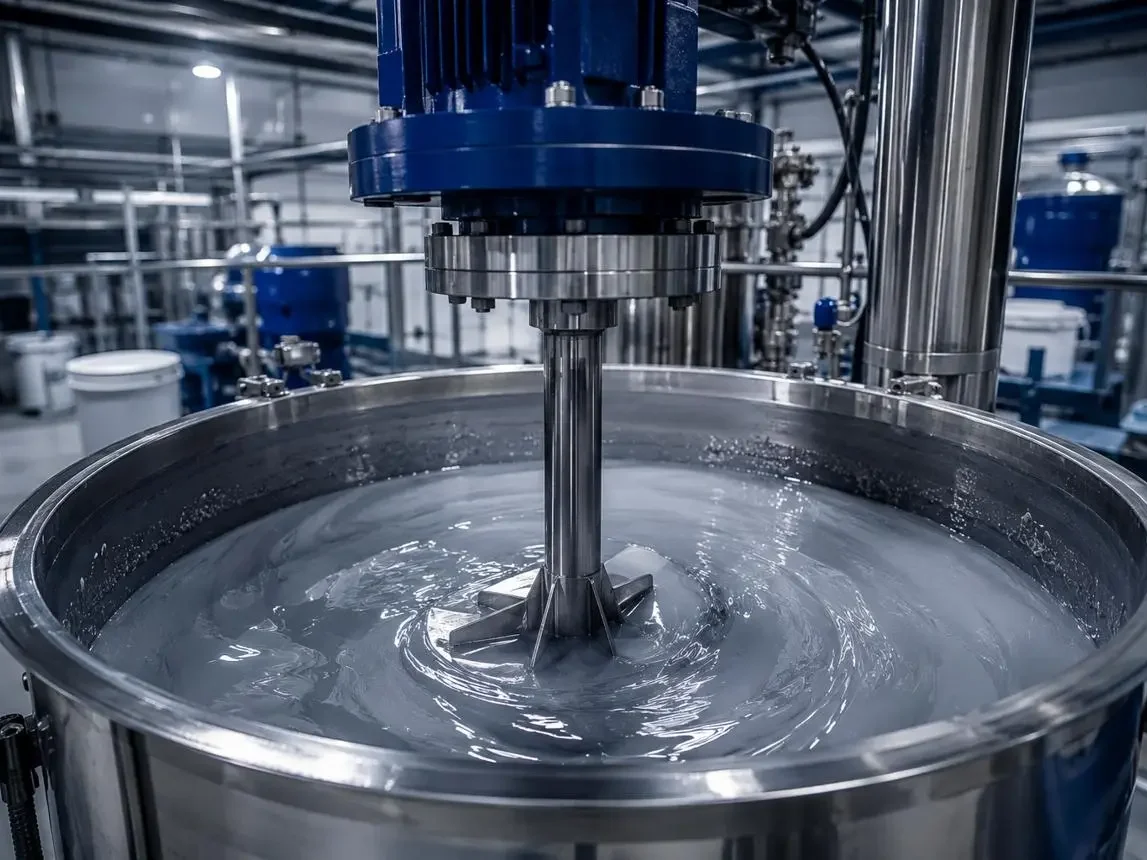
Chemical solutions, liquid resins, and suitable industrial slurries may contain undissolved particles, agglomerates, or other solid impurities.
Sanyuantang offers vibrating filtration equipment for selected liquid processing applications. We consider viscosity, solids content, required filtration opening, and material compatibility when selecting equipment.
Common Challenges in Chemical Screening
Chemical screening performance depends on both the physical and chemical properties of the material. When consider the following problems when selecting screens, contact materials, and feeding arrangements.
Screening Equipment for Chemical Powders & Granules
Sanyuantang supplies different screening machines for chemical powders, plastic resins, fertilizers, and granular materials. We select the equipment according to the required screening range, processing capacity, material properties, and installation conditions.
Rotary Vibrating Screen
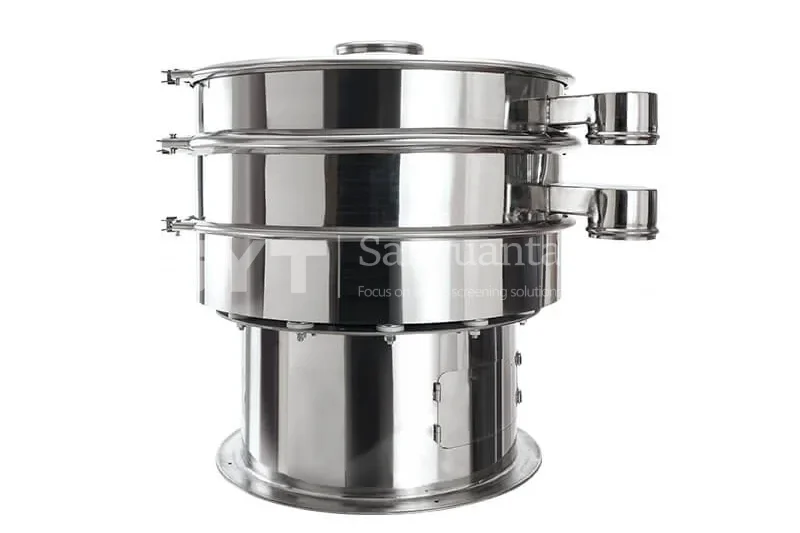
Our rotary vibrating screen uses three-dimensional vibration to separate powders and small particles through a circular screen. It can be configured with single or multiple decks for impurity removal and particle size classification.
The SY-XZS series is suitable for general chemical powder screening and continuous material separation.
- Screening range: Approximately 3–500 mesh, depending on model
- Reference capacity: 100–3,000 kg/h
- Suitable materials: PVC resin powder, soda ash, calcium carbonate, industrial salts, and chemical additives
- Main duty: Check screening, impurity removal, and powder classification
Ultrasonic Vibrating Screen
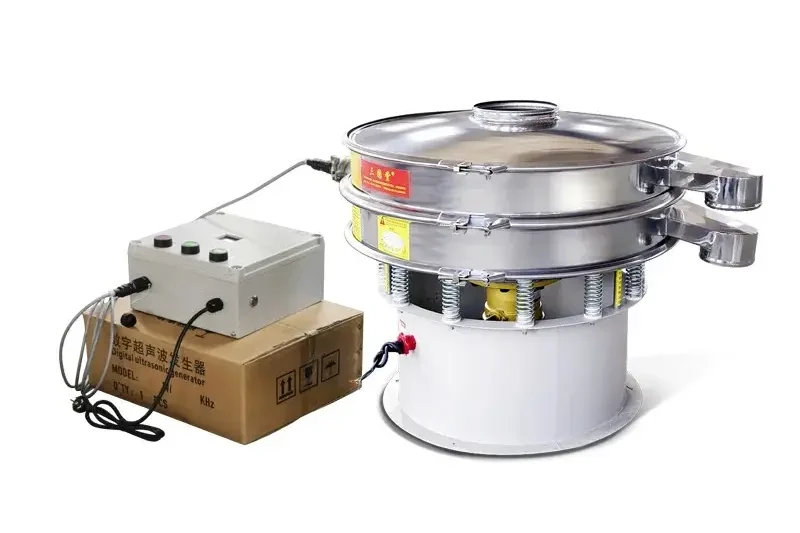
Our ultrasonic vibrating screen combines conventional vibration with high-frequency ultrasonic energy applied to the mesh. It helps reduce screen blinding when handling fine, cohesive, or electrostatic powders.
The machine can be configured with different screen diameters, mesh sizes, and stainless steel contact parts.
- Screening range: Approximately 10–635 mesh
- Reference capacity: 50–3,500 kg/h
- Suitable materials: Pigments, carbon materials, fine mineral powders, and selected chemical additives
- Main duty: Fine powder screening and reduction of mesh blockage
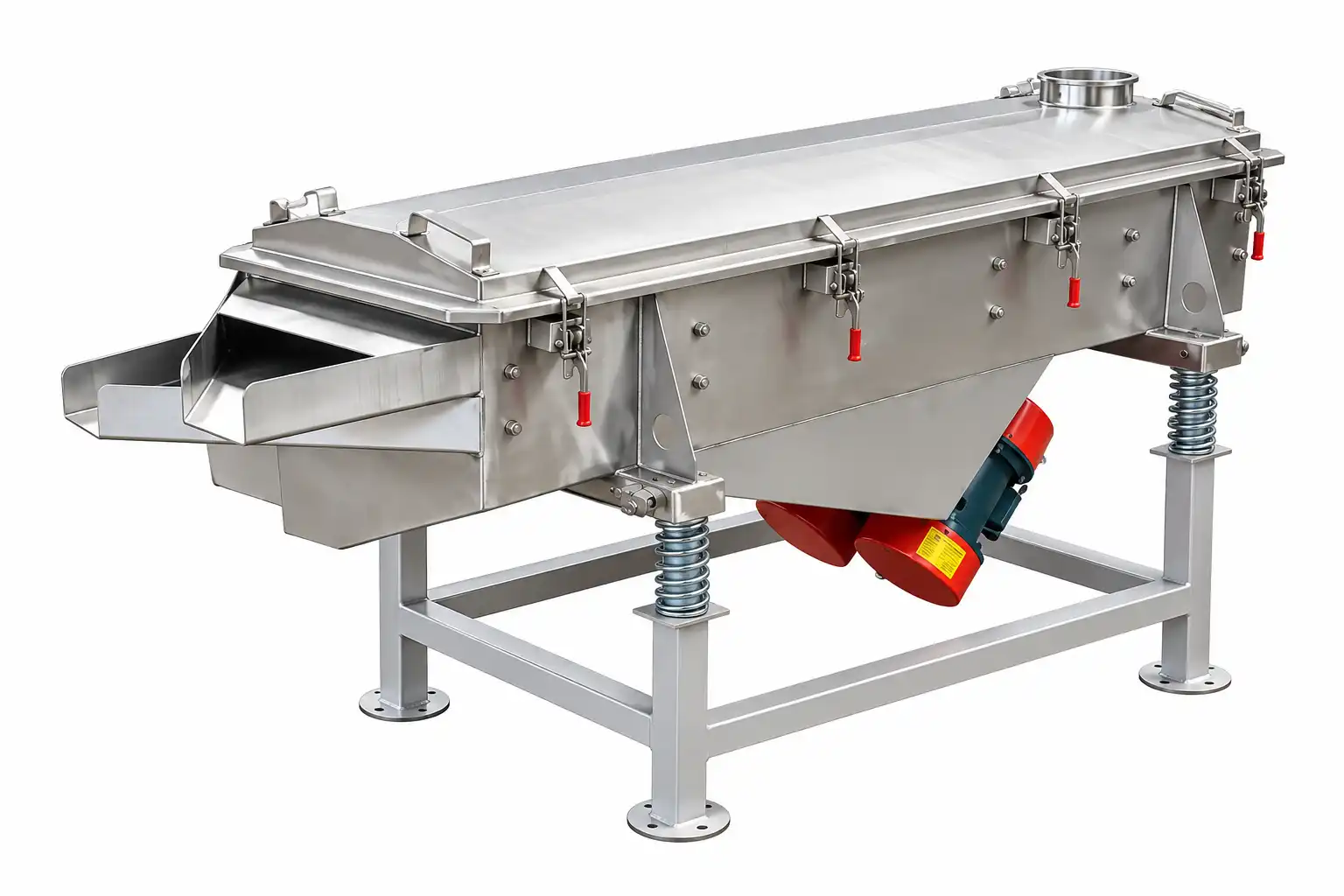
Linear Vibrating Screen
Our linear vibrating screen uses dual vibration motors to move material along a rectangular screening surface. It is suitable for continuous classification of granular chemicals and plastic materials.
The SYZ series supports single or multiple screening decks, with separate discharge outlets for different size fractions.
- Screening range: Approximately 0.074–20 mm, depending on model and screen configuration
- Reference capacity: 300–4,000 kg/h
- Suitable materials: Plastic granules, masterbatch, fertilizer granules, industrial salts, and dry chemical particles
- Main duty: Continuous grading, fines removal, and multi-size separation
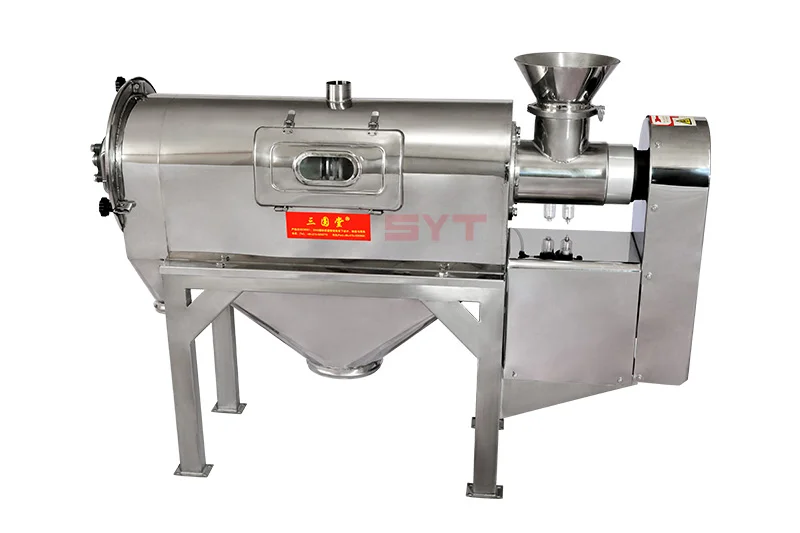
Rotary Airflow Sifter
A rotary airflow sifter uses airflow and internal mechanical movement to separate powder through a cylindrical screen. It can be considered for certain lightweight powders and materials containing soft agglomerates.
Sanyuantang rotary airflow sifters can be configured for selected resin powders, lightweight chemical powders, and fine mineral fillers. Screen opening and throughput should be confirmed by material testing and the selected machine configuration.
- Screening range: Selected according to the model and material
- Capacity: Determined by material testing and machine configuration
- Main duty: Continuous fine powder screening and oversized-particle removal
Screening ranges and capacities are equipment series reference values. Actual throughput depends on material properties, mesh opening, feeding conditions, and machine configuration.
Chemical Powder Conveying & Screening Systems
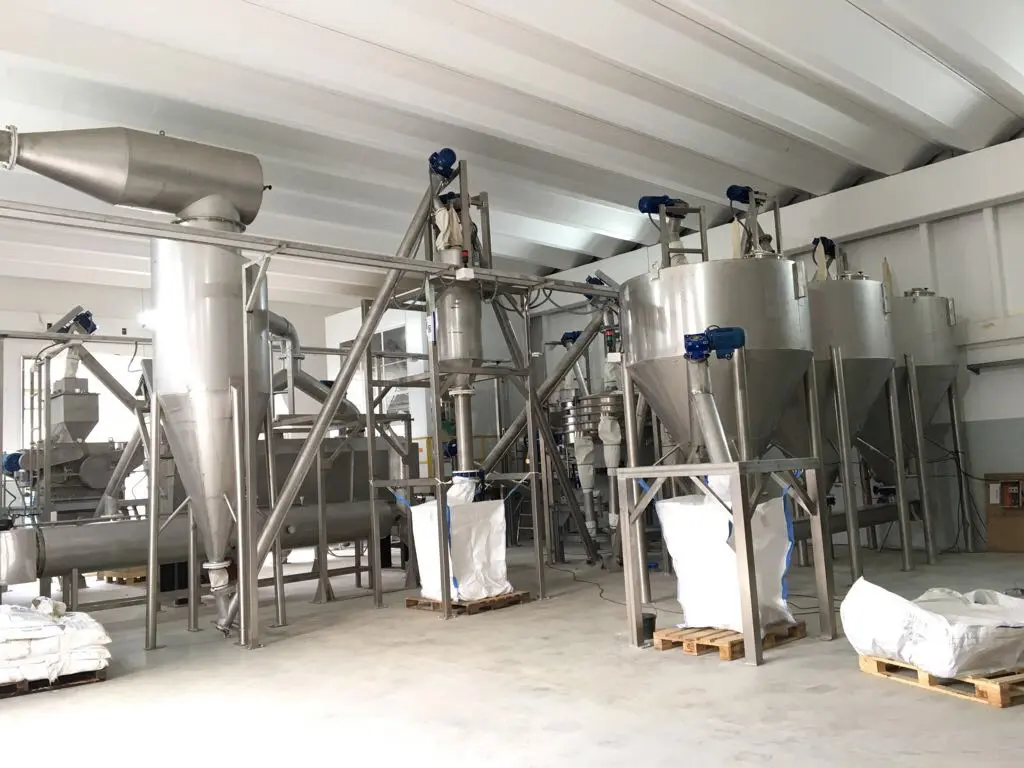
Chemical powder processing often involves several connected operations, including feeding, screening, conveying, mixing, and collection. Moving materials manually between machines can create dust and make continuous production more difficult.
Sanyuantang supplies screening and powder handling equipment that can be connected to existing production lines. We select the equipment arrangement according to the material, processing capacity, and available installation space.
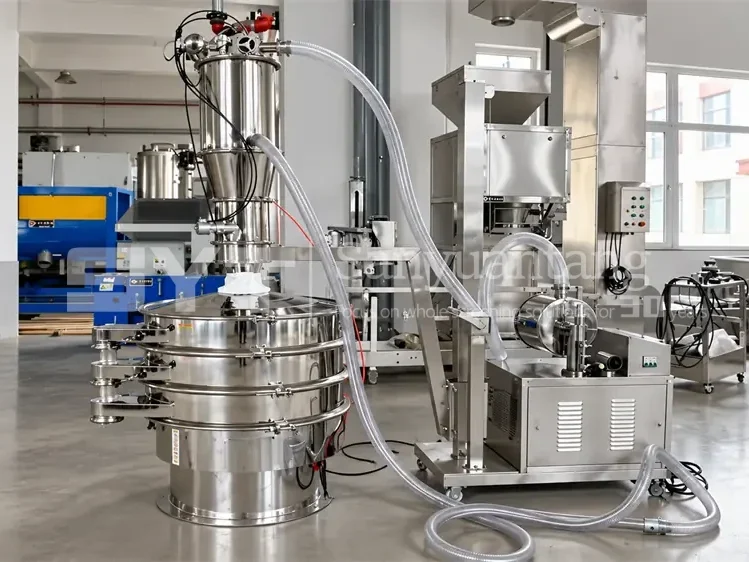
Fine Chemical Powder Screening & Conveying Line
Fine chemical powders may require enclosed transfer between the feeding station, screening machine, and collection equipment. Bag Dumping → Vacuum Conveying → Vibrating Screening → Powder Collection The feeding station receives the material, while a vacuum conveying system transfers it to the vibrating screen. Oversized particles are separated, and accepted powder is collected for further processing. We configure the screen, feed connections, and discharge arrangement around the customer’s process and powder handling requirements.
Resin & Plastic Granule Processing Line
Plastic granules and resin materials often require screening after production or conveying to remove fines and oversized particles. Feed Hopper → Linear Vibrating Screen → Graded Material Collection A multi-deck linear vibrating screen can separate different particle size fractions, with individual outlets directing the material to collection containers or downstream equipment. For continuous production, we also consider feeding rate, screen inclination, discharge height, and equipment connections.
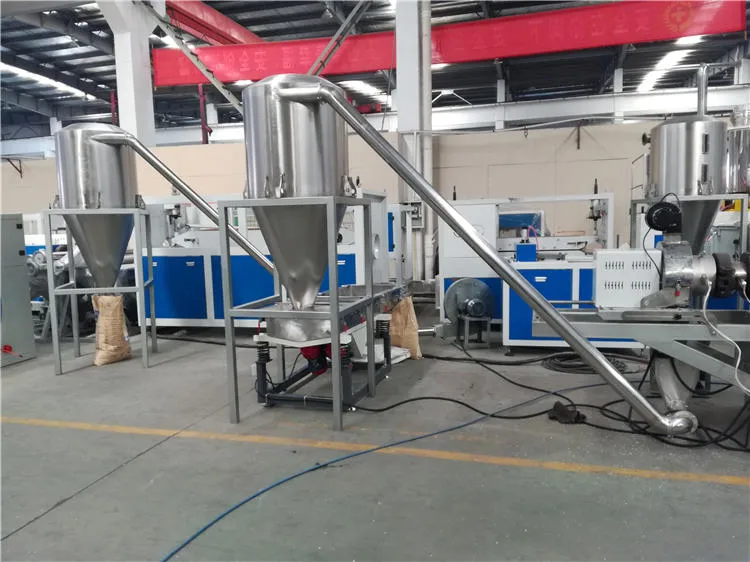
Fertilizer & Chemical Salt Grading Line
Fertilizer granules and chemical salts may require screening after drying, cooling, or other production stages. Feeding → Multi-Deck Screening → Size Separation → Collection The upper screen removes oversized material, while lower screens separate the required product fraction from fines. We can configure the screening area, number of decks, and discharge outlets according to the required particle size ranges and production capacity.
Equipment Materials & Safety Considerations
Chemical processing equipment must be suitable for both the material being handled and the operating environment. Contact materials, seals, electrical components, and dust control arrangements should be selected according to the actual application.
Carbon Steel & Stainless Steel Contact Parts
Carbon steel can be considered for suitable non-corrosive industrial materials where stainless steel contact surfaces are not required. 304 stainless steel is commonly used for general chemical powder handling. For applications requiring greater corrosion resistance, 316 or 316L stainless steel may be specified. We review the chemical composition, moisture, temperature, and cleaning requirements before confirming contact materials.
Corrosion-Resistant Equipment Options
Some chemical materials require additional protection against corrosion or chemical attack. Depending on the material and process, stainless steel, suitable polymer contact components, or other corrosion-resistant arrangements may be considered. Chemical compatibility should be checked for the screen mesh, seals, internal surfaces, and connected equipment before production.
Dust Containment & Explosion Protection
Fine chemical powders may generate airborne dust during feeding, screening, and conveying. Enclosed covers, sealed connections, and suitable dust collection arrangements help reduce powder escape. Some combustible powders also require specific grounding, electrical protection, and explosion prevention measures. We review the material’s safety data and installation requirements when determining the equipment configuration. Explosion-protected equipment must be specified and verified for the applicable hazardous area and operating conditions.
Chemical Liquid & Slurry Filtration
Chemical solutions, resin liquids, and industrial slurries may contain undissolved particles, coarse solids, or agglomerates after mixing. Vibrating filtration equipment can remove these materials before storage, further processing, or filling.
For low-viscosity chemical liquids, a vibrating filter can provide continuous separation through a suitable screen opening. For thicker slurries, filtration performance depends strongly on viscosity, solids concentration, and particle characteristics.
Sanyuantang can review the required filtration opening, liquid flow rate, contact material, and cleaning method to determine whether a vibrating filtration system is suitable.
Chemical Screening Projects & Test Results
Watch our screening videos to see how Sanyuantang equipment handles different chemical powders and granules in real applications.
Fine Chemical Powder Screening Project
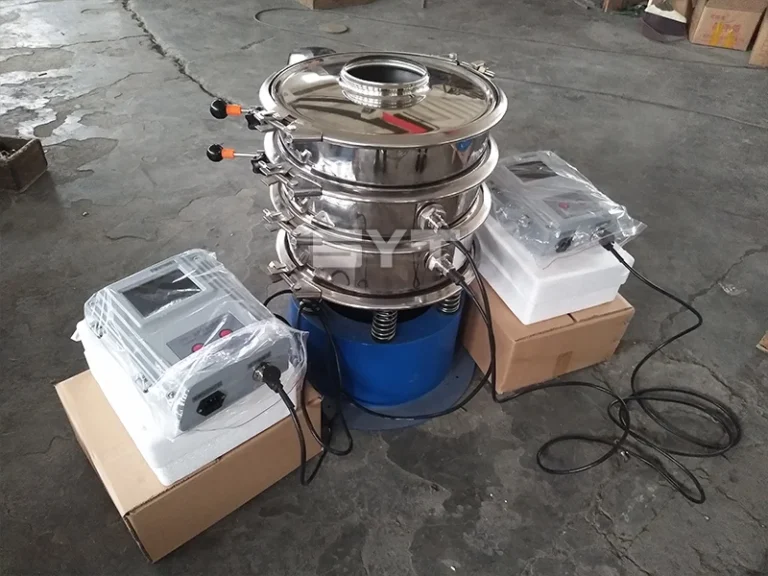
A European chemical company needed to screen a specialty oxidizing salt at 325 mesh, with a processing capacity of 200–500 kg/h. The fine powder required effective screen cleaning and special attention to equipment materials and explosion protection.
Sanyuantang provided a 1,200 mm ultrasonic vibrating screen with 316 stainless steel contact parts and an electrical configuration specified for the project’s ATEX requirements.
- Material: Specialty oxidizing salt
- Screen mesh: 325 mesh
- Screen diameter: 1,200 mm
- Capacity: 200–500 kg/h
- Contact material: 316 stainless steel
- Safety requirements: Project-specific ATEX configuration
The ultrasonic system helps reduce mesh blockage and maintain consistent powder screening. The safety configuration was selected for this project and requires verification for each installation.
Chemical Material Screening Test Data
The table below shows screening test results for different chemical materials, including screen sizes, processing capacities, and equipment models.
| Material | Screen Opening | Method | Recorded Capacity | Equipment Model |
|---|---|---|---|---|
| PVC Resin | 10 mm / 5 mm | Dry | 300 kg/h | SY-1200-2S |
| Polyethylene Powder | 48 / 100 mesh | Dry | 100 kg/h | SY-800-2S |
The test results show how screening capacity varies with material properties, screen opening, and equipment configuration. Actual throughput should be confirmed through material testing.
Custom Chemical Screening Solutions from Sanyuantang
Sanyuantang manufactures vibrating screens and powder handling equipment for chemical processing applications. We provide individual screening machines and customized arrangements for feeding, conveying, classification, and material collection.
We review the following information before recommending equipment.
| Selection Factor | Information Required |
|---|---|
| Material | Resin, pigment, industrial salt, fertilizer, or chemical powder |
| Particle size | Feed size and required screen opening |
| Processing capacity | Required kg/h or t/h |
| Material behavior | Bulk density, moisture, adhesion, and flowability |
| Chemical properties | Corrosiveness, temperature, and material compatibility |
| Contact material | Carbon steel, 304, 316, or other suitable materials |
| Equipment arrangement | Number of decks, feeding method, and discharge outlets |
| Production line | Installation space and upstream/downstream connections |
Our engineering support includes material screening tests, customized screen and machine configurations, feeding and conveying integration, and production line layout support.
For fine powders, we can evaluate mesh blockage and screening capacity before selecting the machine. For granular materials, we review the required size fractions and production rate to determine a suitable screen deck arrangement.
Share your chemical material, target mesh size, production capacity, and equipment requirements with our team. We can help select an appropriate chemical screening and material handling system.
Project Review
Plan Your Chemical Screening & Handling System
Share your material, target screen opening, required capacity, chemical properties, and installation layout. Our team can review suitable screening, feeding, conveying, and collection equipment.
Standalone screens and integrated handling systems
Chemical Screening FAQs
What screening equipment is used for chemical powders?
Rotary vibrating screens are commonly used for chemical powder check screening and impurity removal. Ultrasonic vibrating screens are suitable for selected fine powders that tend to block the mesh. Linear vibrating screens are typically used for continuous classification of larger particles and granules. The choice depends on material properties, target particle size, and required production capacity.
What mesh size is suitable for chemical powder screening?
Chemical screening mesh sizes vary according to the material and separation requirements. Coarse particles and granules are often screened using apertures measured in millimeters, while fine powders may require screens of 100, 200, or 325 mesh. The correct opening should be selected from the required particle size specification and verified through material testing.
Which vibrating screen is suitable for PVC resin and plastic granules?
Rotary vibrating screens can be used for PVC resin powders and other fine plastic materials. Linear vibrating screens are suitable for many plastic granule classification applications, especially when several size fractions are required. Sanyuantang has recorded screening tests for PVC resin using 10 mm and 5 mm openings, as well as polyethylene powder using 48 and 100 mesh screens.
When should an ultrasonic vibrating screen be used?
An ultrasonic vibrating screen is worth considering when fine or cohesive chemical powders repeatedly block a conventional screen. The ultrasonic system applies high-frequency vibration to the mesh, helping reduce particle adhesion and improve material passage. Its effectiveness depends on particle size, moisture, electrostatic behavior, and feeding conditions. Material testing helps determine whether ultrasonic assistance is necessary.
What materials are suitable for corrosive chemical screening?
Contact materials should be selected according to the chemical composition, concentration, temperature, and moisture conditions. Carbon steel may be suitable for certain non-corrosive materials, while 304, 316, or 316L stainless steel may be selected for other applications. Some processes require special corrosion-resistant components. Sanyuantang reviews the material and cleaning requirements before confirming an equipment specification.
Can Sanyuantang customize a chemical screening and conveying system?
Yes. Sanyuantang can configure vibrating screens, feeding hoppers, screw feeders, vacuum conveyors, and material collection equipment for chemical production lines. We review material properties, screen opening, required capacity, contact materials, and available installation space before proposing an arrangement. Customers can provide material samples, process drawings, or existing equipment specifications for further evaluation.