
What Is a Conveyor Belt for Unloading Containers?
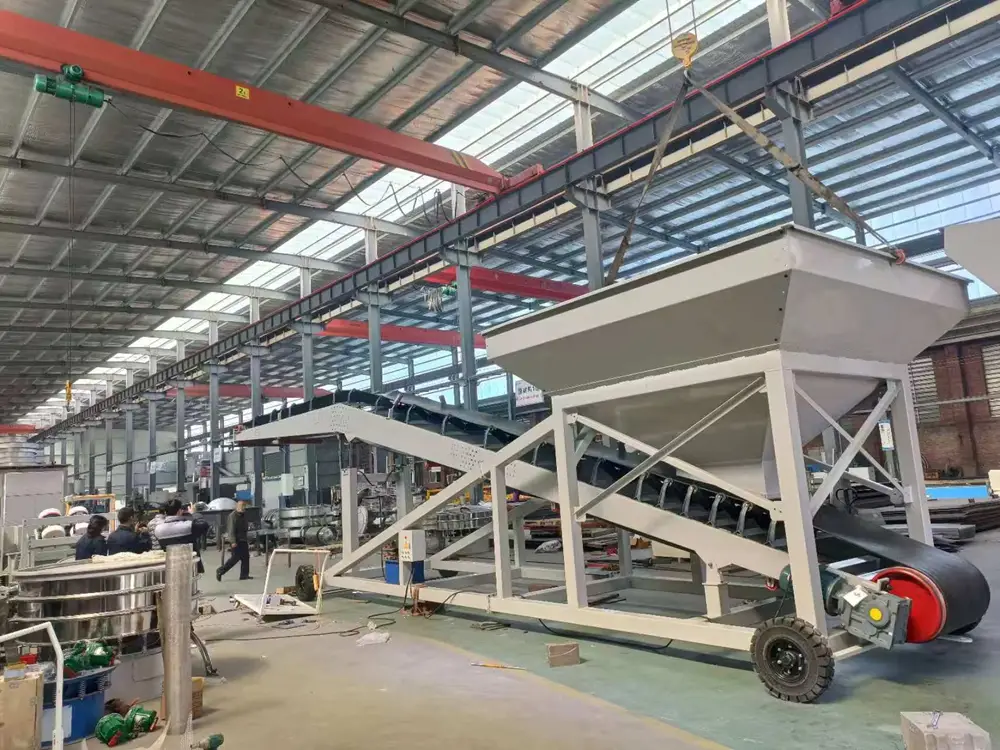
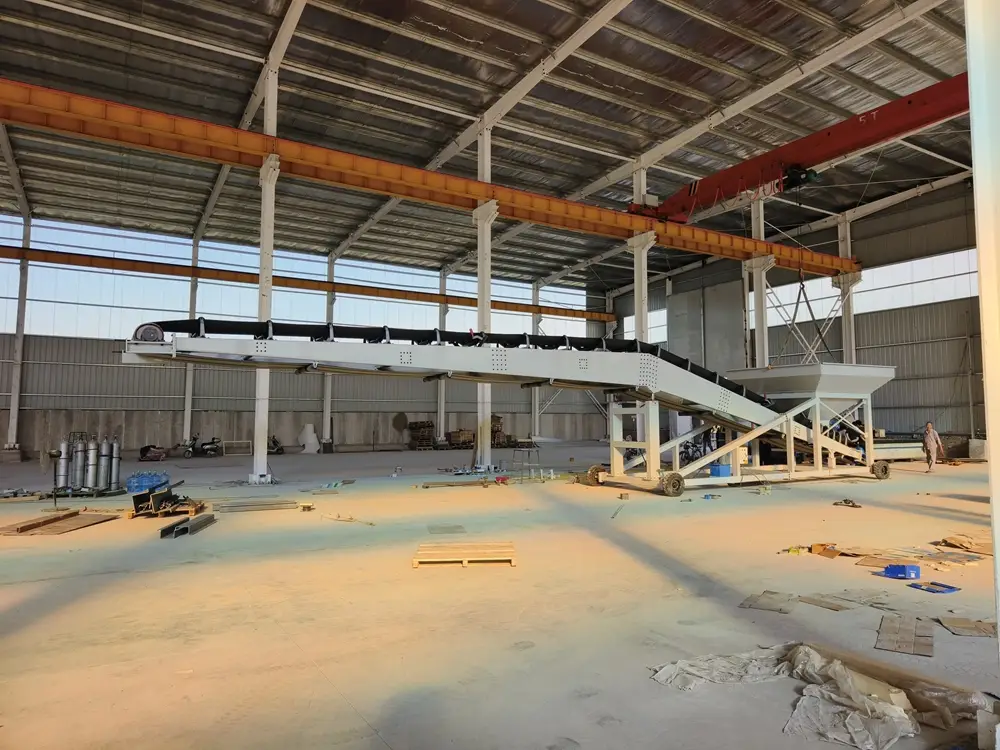
A conveyor belt for unloading containers is a material handling machine used to transfer goods or bulk materials from a shipping container to a designated discharge point. A typical mobile belt conveyor consists of a continuous conveyor belt, drive unit, supporting rollers, steel frame and feeding or discharge components. Depending on the configuration, the conveyor can be positioned near the container opening or connected to another unloading system.
Unlike fixed conveyors, mobile container unloading conveyors can be repositioned between working areas. They are suitable for operations that require changes in conveying distance, discharge height or equipment layout. For bulk material handling, the feeding arrangement must match how the material is discharged from the container.
How Does a Container Unloading Conveyor Work?
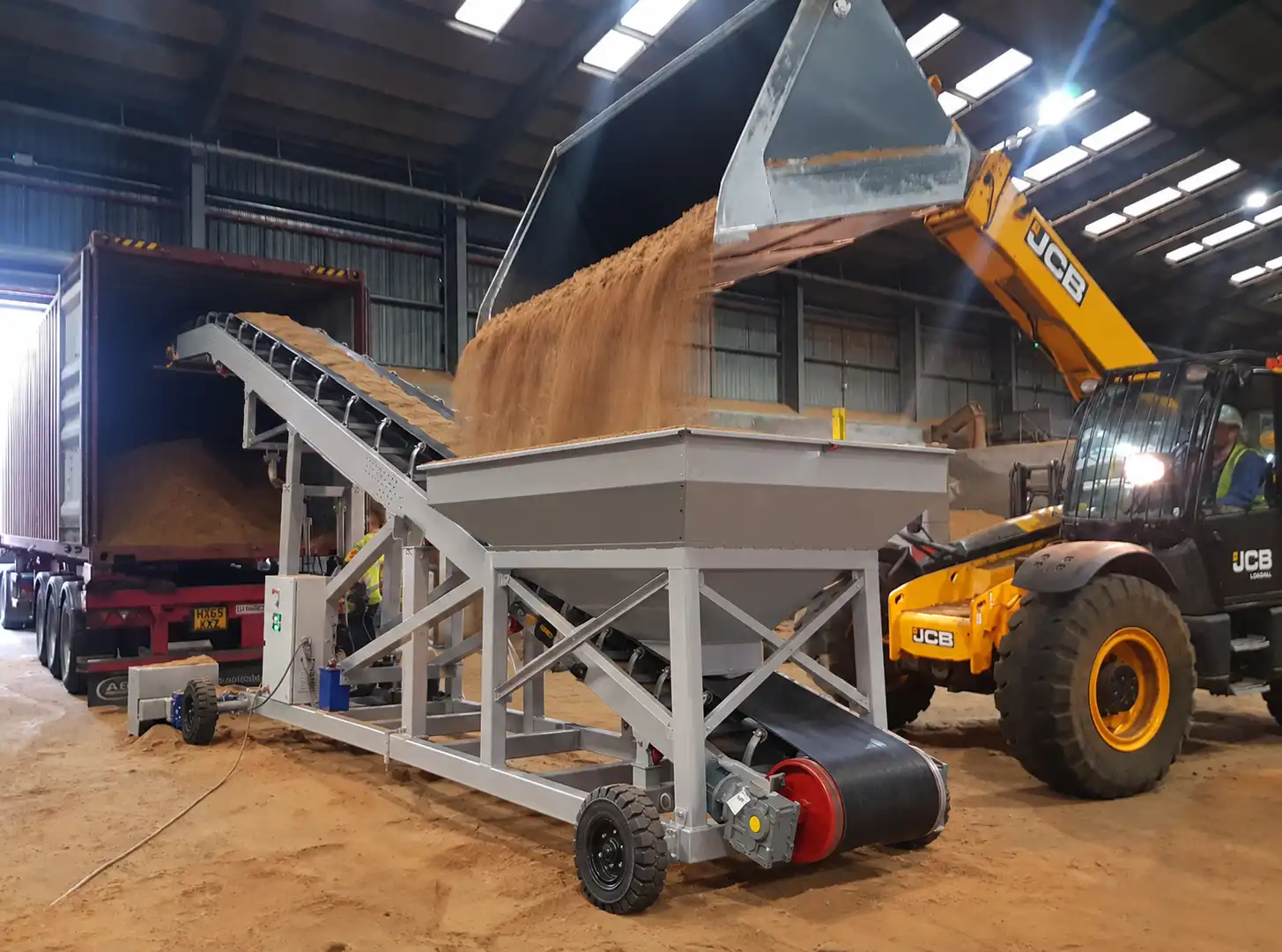
A container unloading belt conveyor uses an electric drive to move a continuous belt over supporting rollers. Materials enter the conveyor at the feeding end, travel along the belt and discharge at the required transfer point. The conveyor can be positioned and adjusted to connect the container unloading area with storage, collection or downstream processing equipment.
Conveyor Positioning
Position the conveyor at the unloading area and secure the mobile frame before operation.
Material Feeding
Transfer materials from the container onto the conveyor through a suitable feeding arrangement, such as a hopper or transfer chute.
Belt Conveying
The motor-driven belt carries materials toward the discharge end at the selected conveying speed.
Material Discharge
Materials leave the belt and enter a collection area, storage hopper or connected conveying system.
For bulk materials, a controlled feeding arrangement helps prevent overloading and material spillage. The unloading method also depends on whether the container uses loose bulk loading, bags, a liner or a specialized discharge system.
Structure & Components
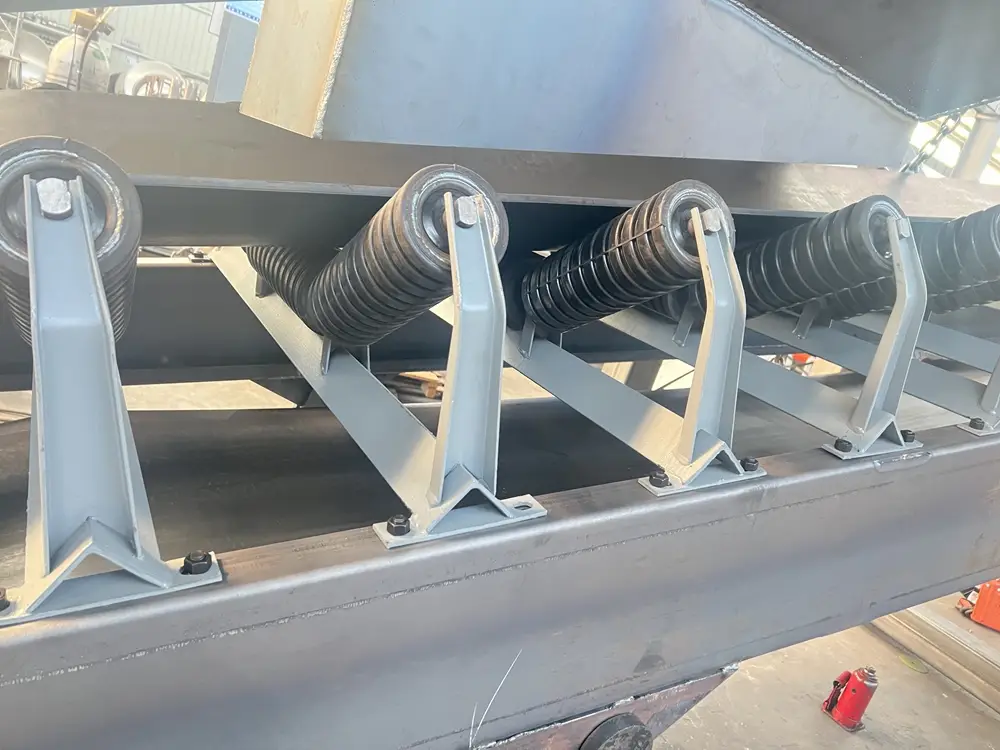
A container unloading belt conveyor consists of a conveyor belt, drive assembly, pulleys, supporting rollers, frame and material transfer components. These parts work together to transport bulk materials while maintaining belt alignment and supporting the required conveying load.
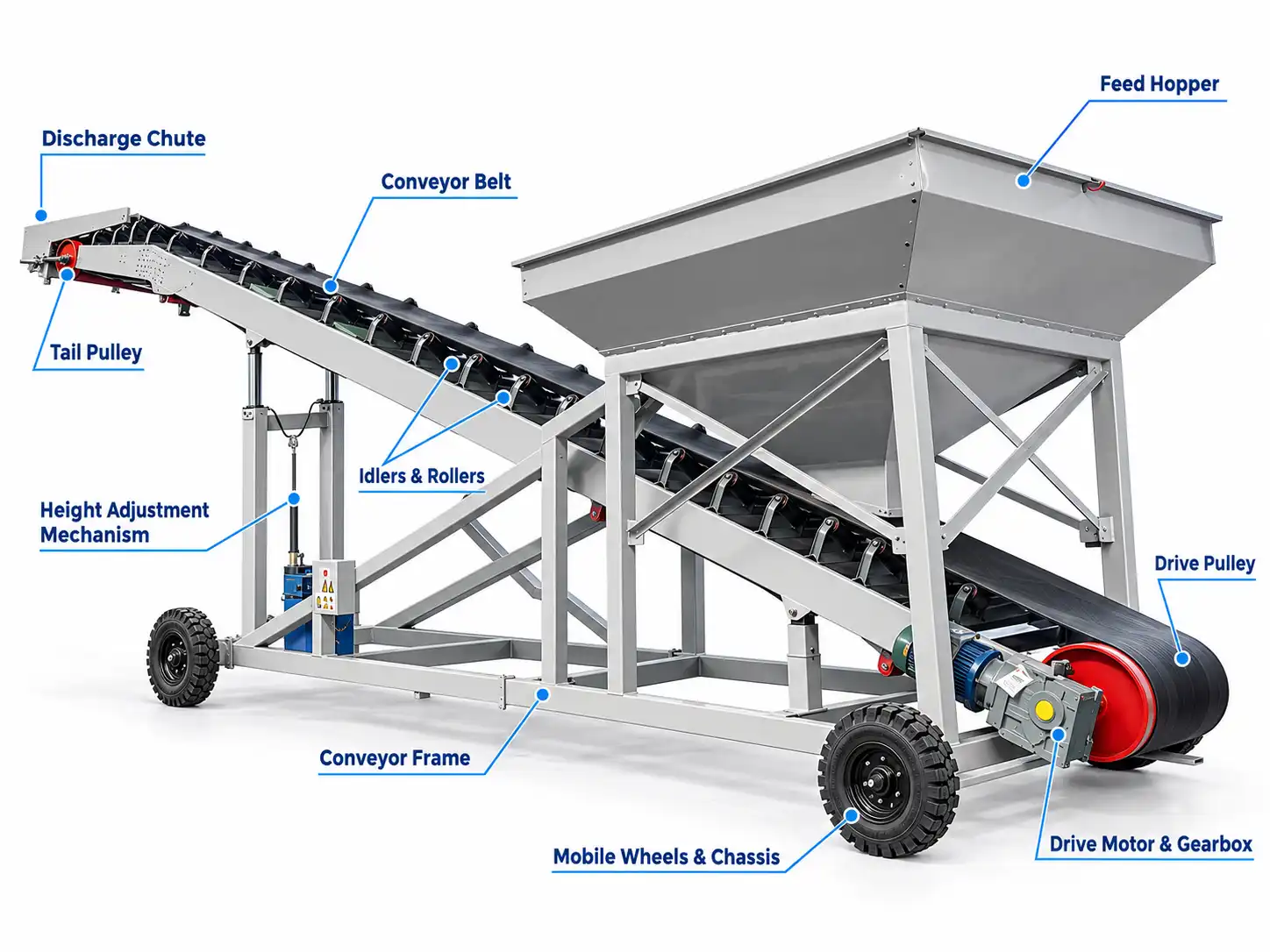
| Component | Function & Features |
|---|---|
| Conveyor Belt | Carries bulk materials from the feeding point to the discharge end. |
| Drive Motor & Gearbox | Provides power to operate the conveyor belt at the required speed. |
| Drive Pulley | Transfers driving force from the motor to the belt. |
| Tail Pulley | Guides the return belt and supports belt tensioning. |
| Idlers & Rollers | Support the carrying and return sections of the conveyor belt. |
| Conveyor Frame | Provides structural support for the belt, rollers and drive components. |
| Mobile Wheels & Chassis | Allow equipment repositioning between unloading locations. |
| Height Adjustment Mechanism | Adjusts the conveyor elevation to suit the unloading arrangement. |
| Feed Hopper | Receives materials and directs them onto the belt. |
| Discharge Chute | Guides discharged materials toward the next transfer point. |
Video
Features
Container unloading belt conveyors are designed for efficient material transfer from shipping containers to warehouses, trucks, or downstream handling equipment. Key features include adjustable conveyor length and height, flexible positioning, continuous belt operation, and optional mobile configurations to accommodate different unloading conditions.
Applications
Belt conveyors are used in bulk material handling operations that require continuous unloading and transfer between containers, vehicles and storage facilities. Conveyor configuration depends on container type, material discharge method, available working space and receiving equipment.
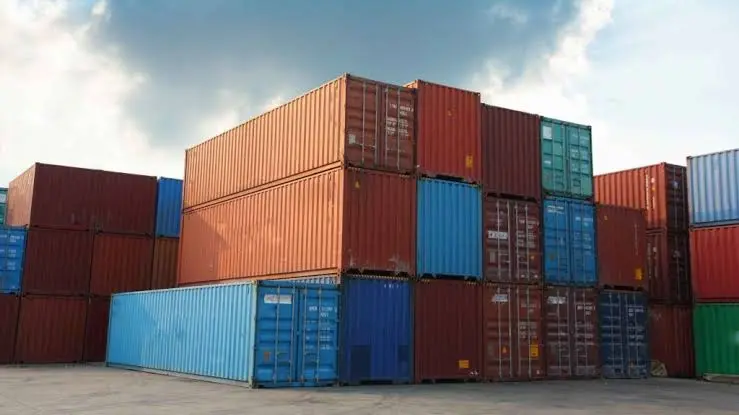
20ft and 40ft Shipping Container Unloading
Mobile belt conveyors can be incorporated into unloading arrangements for 20ft and 40ft shipping containers. The required conveyor length, feeding position and discharge height depend on container accessibility and the way materials are removed. For loose bulk materials, additional feeding or discharge equipment may be necessary.
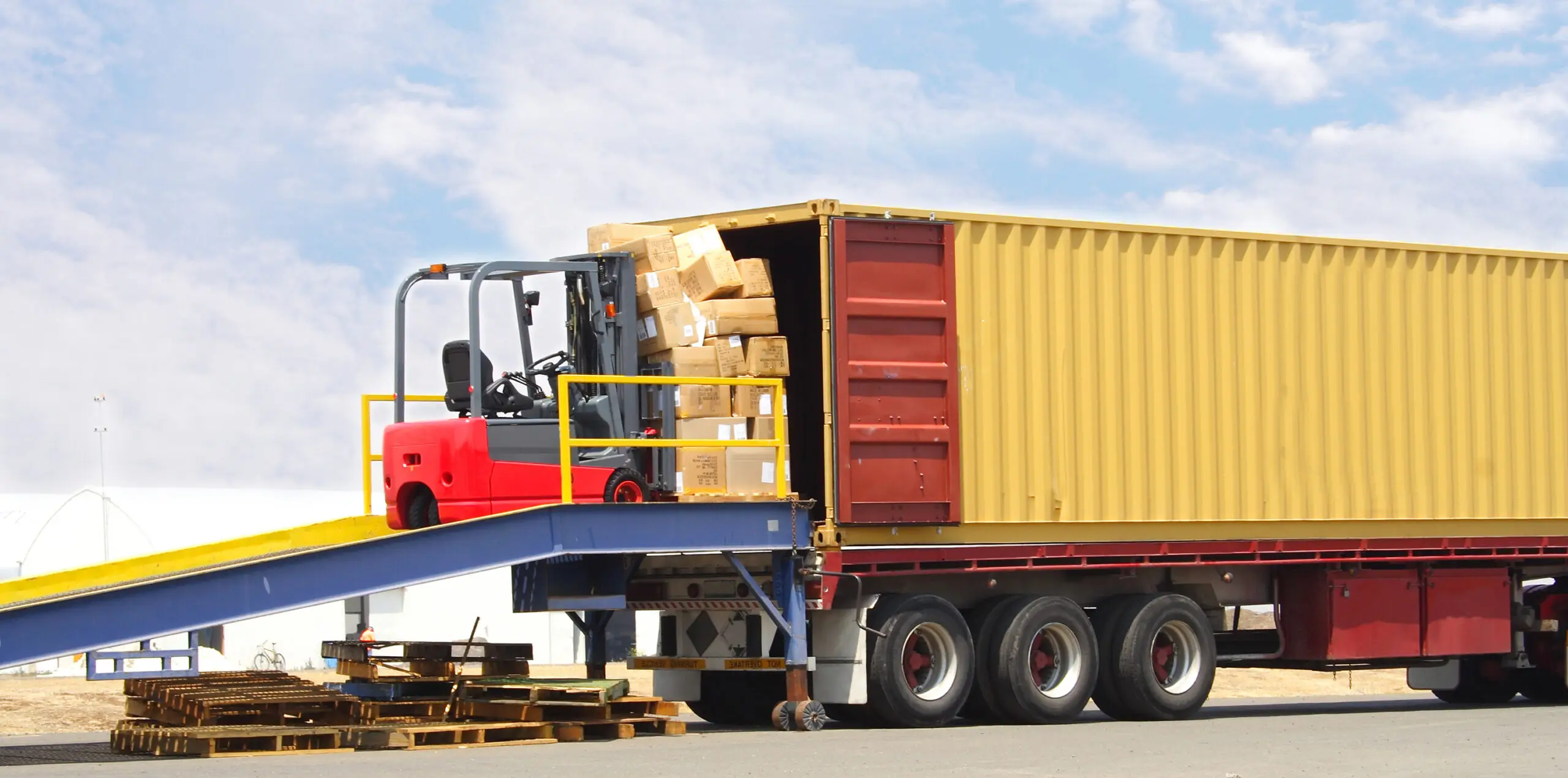
Truck and Trailer Unloading
Belt conveyors transfer bulk materials from truck unloading points to receiving hoppers, storage piles or processing equipment. Mobile frames and adjustable discharge heights allow different site layouts to be accommodated, while the feeding arrangement is selected according to vehicle type and material flow.
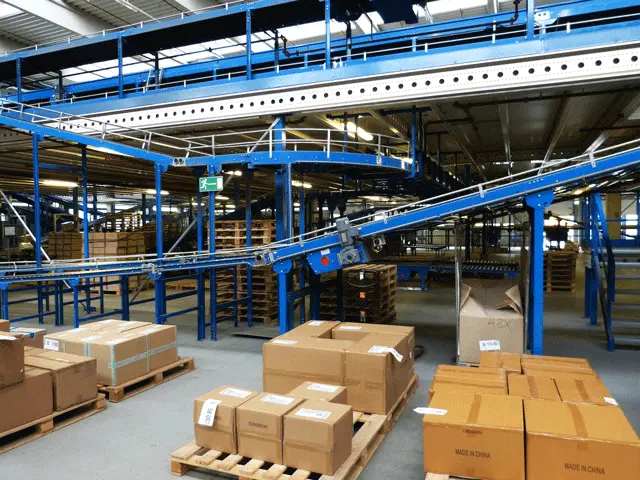
Warehouse and Port Material Transfer
At warehouses, port terminals and industrial yards, mobile belt conveyors connect unloading stations with temporary storage or downstream conveying equipment. They can be relocated as receiving positions change, reducing the need for a permanently installed conveyor at every unloading point.
Materials Suitable for Container Unloading
Container unloading belt conveyors are suitable for handling cartons, packaged goods, bags, parcels, and other unit loads. They are widely used in warehouses, logistics centers, distribution facilities, and manufacturing plants. Conveyor belt type, width, and load capacity can be selected according to material dimensions, weight, and unloading requirements.
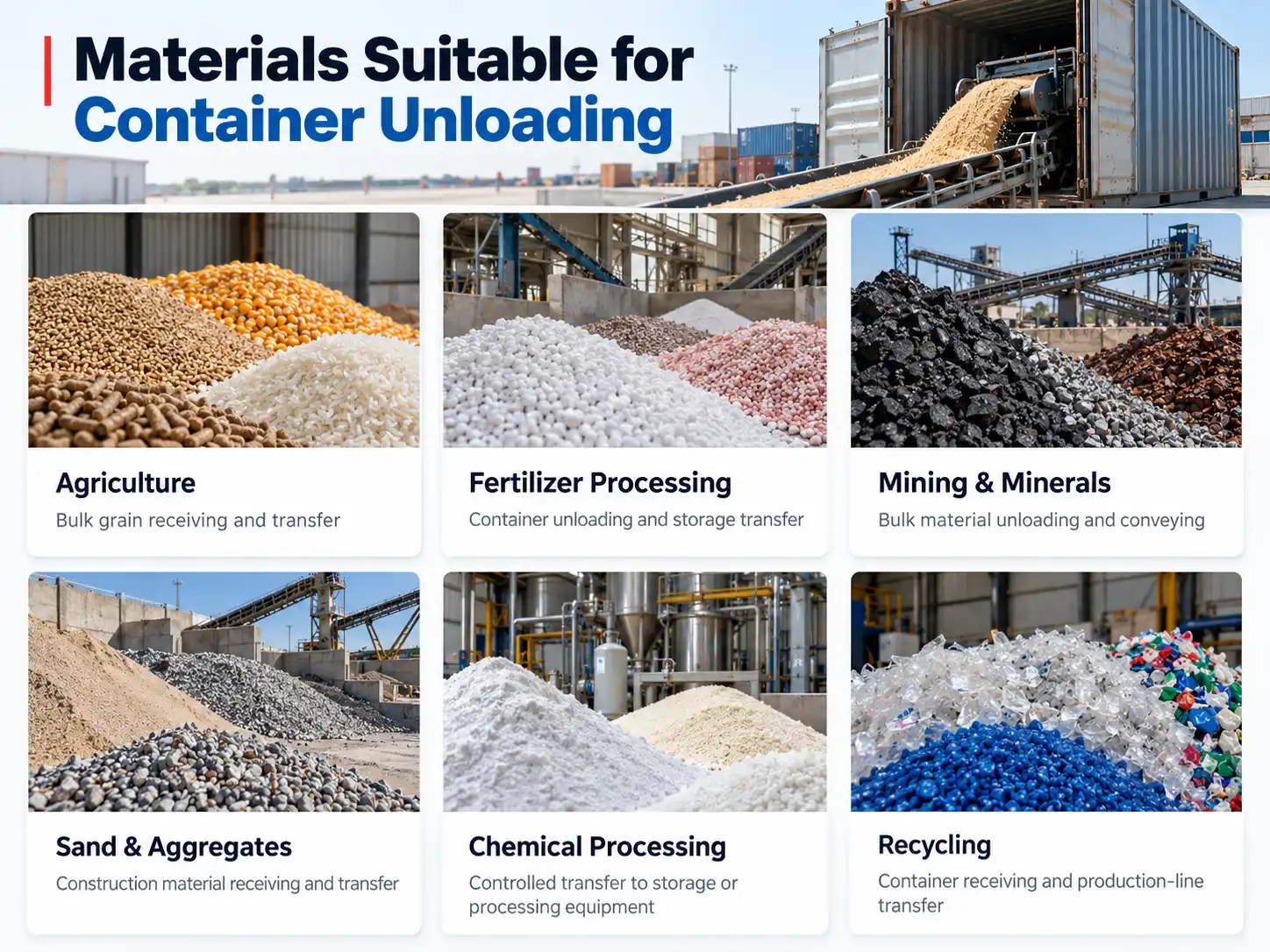
| Industry | Suitable Materials | Application |
|---|---|---|
| Agriculture | Wheat, corn, rice, feed pellets | Bulk grain receiving and transfer |
| Fertilizer Processing | Granular fertilizer, dry fertilizer blends | Container unloading and storage transfer |
| Mining & Minerals | Coal, mineral granules, screened ore | Bulk material unloading and conveying |
| Sand & Aggregates | Dry sand, gravel, crushed aggregates | Construction material receiving and transfer |
| Chemical Processing | Suitable dry chemical granules and powders | Controlled transfer to storage or processing equipment |
| Recycling | Plastic granules and suitable recycled materials | Container receiving and production-line transfer |
Material suitability should be checked before equipment selection. Abrasive aggregates may require wear-resistant belts and transfer components, while fine or dusty materials may require enclosed chutes and dust-control measures. Wet, sticky or poorly flowing materials need additional evaluation.
Specifications
Sanyuantang offers SYP Series belt conveyors in various sizes and configurations. Conveyor length, belt width, inclination, and motor power can be customized to suit material properties, required capacity, and site conditions. The specifications below are for reference; final configurations are confirmed based on project requirements.
| Specification | SYP-DY-400 | SYP-DY-500 | SYP-DY-650 | SYP-DY-800 | SYP-DY-1000 |
|---|---|---|---|---|---|
| Belt Width (mm) | 400 | 500 | 650 | 800 | 1000 |
| Conveyor Length (m) | 3–20 | 3–20 | 3–20 | 3–20 | 3–20 |
| Belt Speed (m/s) | 0.4–1.25 | 0.4–1.25 | 0.4–1.25 | 0.4–1.25 | 0.4–1.25 |
| Max. Conveying Height (m) | 6.52 | 6.52 | 6.52 | 6.52 | 6.52 |
| Capacity (m³/h) | 60 | 120 | 220 | 500 | 1000 |
| Capacity (t/h) | 40 | 80 | 150 | 200 | 300 |
| Inclination Angle (°) | 0–18 | 0–18 | 0–18 | 0–18 | 0–18 |
| Drive Type | Electric Drum | Electric Drum | Electric Drum | Electric Drum | Electric Drum |
| Motor Power (kW) | 2.2 | 2.2 | 3 | 4 | 7.5 |
Custom Container Unloading Conveyor Options
Sanyuantang provides custom belt conveyor configurations based on material characteristics, unloading distance and site conditions. We can review conveyor dimensions, belt specifications, feeding and discharge arrangements, and connections with existing equipment to develop a suitable material transfer layout.
Conveyor Length & Belt Width
Conveyor dimensions are selected according to unloading distance, material size and required conveying capacity.
Belt Material & Surface
Rubber, PVC or PU belt options can be reviewed according to material properties, wear requirements and operating conditions.
Adjustable Conveyor Height
The supporting structure and inclination can be configured to match container unloading and receiving equipment elevations.
Mobile Support Frame
Wheel arrangements, structural supports and equipment dimensions can be adapted to available unloading space and movement requirements.
Feeding & Discharge Arrangements
Feed hoppers, transfer chutes and outlet connections can be designed to suit material flow and downstream conveying equipment.
Drive & Control Options
Motor power, conveying speed, control arrangements and operating direction can be specified according to equipment requirements.
How to Choose a Conveyor Belt for Unloading Containers?
Choosing the right container unloading conveyor requires more than selecting a belt width or conveyor length. The equipment must match the material, unloading method, transfer distance and available site space. For bulk handling applications, Sanyuantang recommends confirming the following specifications before selecting a model.
| Selection Factor | What to Check |
|---|---|
| Material Type | Particle size, bulk density, moisture, flowability and abrasiveness |
| Unloading Capacity | Required throughput in t/h or m³/h |
| Container Type | 20ft, 40ft or other container dimensions and unloading arrangement |
| Feeding Method | How material leaves the container and enters the conveyor |
| Conveyor Length | Distance between the feeding and discharge points |
| Inlet & Discharge Height | Required entry and exit elevations |
| Belt Specification | Belt width, material, surface and operating speed |
| Installation Conditions | Ground conditions, available space and movement requirements |
| Power Supply | Available voltage, frequency and control requirements |
| Downstream Equipment | Receiving hopper, storage system, conveyor or screening machine |
For example, dry grain and abrasive mineral aggregates may require different belt constructions, drive capacities and inlet designs even when the required unloading rate is similar. Providing material data and a site layout helps our engineers select the appropriate arrangement.
Information to Include with Your Inquiry
Please provide the following information:
- Material: Name, particle size and bulk density
- Capacity: Required unloading rate in t/h or m³/h
- Container: 20ft, 40ft or other container type
- Unloading Method: Bulk discharge, hopper feeding or another arrangement
- Conveyor Dimensions: Required conveying distance and inlet/discharge heights
- Power Supply: Voltage, frequency and other electrical requirements
- Additional Requirements: Mobility, belt material, dust control or connections to existing equipment
Contact Us
Request a Container Unloading Conveyor Quote
Looking for a conveyor belt for unloading containers? Send Sanyuantang your material specifications, required unloading capacity and site layout. We can review the conveyor dimensions, belt configuration, feeding method and discharge arrangement before preparing a quotation.
Send material data, unloading rate and a site layout.
Container Unloading and Material Transfer Solutions
A container unloading conveyor can operate as an independent material transfer machine or form part of a larger conveying system. Sanyuantang supplies screening and conveying equipment that can be configured for receiving, transporting, elevating and classifying bulk materials.
Container Unloading to Storage
Materials discharged from a container are transferred through a mobile belt conveyor to a receiving hopper, stockpile or storage area. Conveyor length and discharge height are matched to the receiving location.
Container Unloading to Bucket Elevator
Where materials need to be elevated to silos or processing equipment, a belt conveyor can feed a bucket elevator through a suitably designed transfer point. The arrangement depends on material flow characteristics and required throughput.
Explore vertical conveying equipment when the receiving point is above the unloading area.
Container Unloading to Screening Equipment
For materials requiring impurity removal or particle size classification, an unloading conveyor can feed a vibrating screen or gyratory sifter. Feed rate, discharge height and transfer connections are coordinated to maintain a consistent material supply.
Compare a linear vibrating screen for continuous grading or a gyratory sifter for multi-grade classification, according to the material and required separation.
Container Unloading Conveyor Manufacturer & Supplier
Sanyuantang manufactures industrial screening and conveying equipment for bulk material processing. Our product range includes mobile belt conveyors, bucket elevators, vibrating screens and related material handling equipment used in agriculture, mining, chemical processing and other industries. We supply standard machines and customized configurations based on material characteristics, processing capacity and installation requirements.
From equipment selection to manufacturing and delivery, our team provides technical support for conveyor dimensions, drive systems, feeding arrangements and production-line connections. We also review equipment drawings and operating requirements to help customers select conveyors suited to their unloading applications.
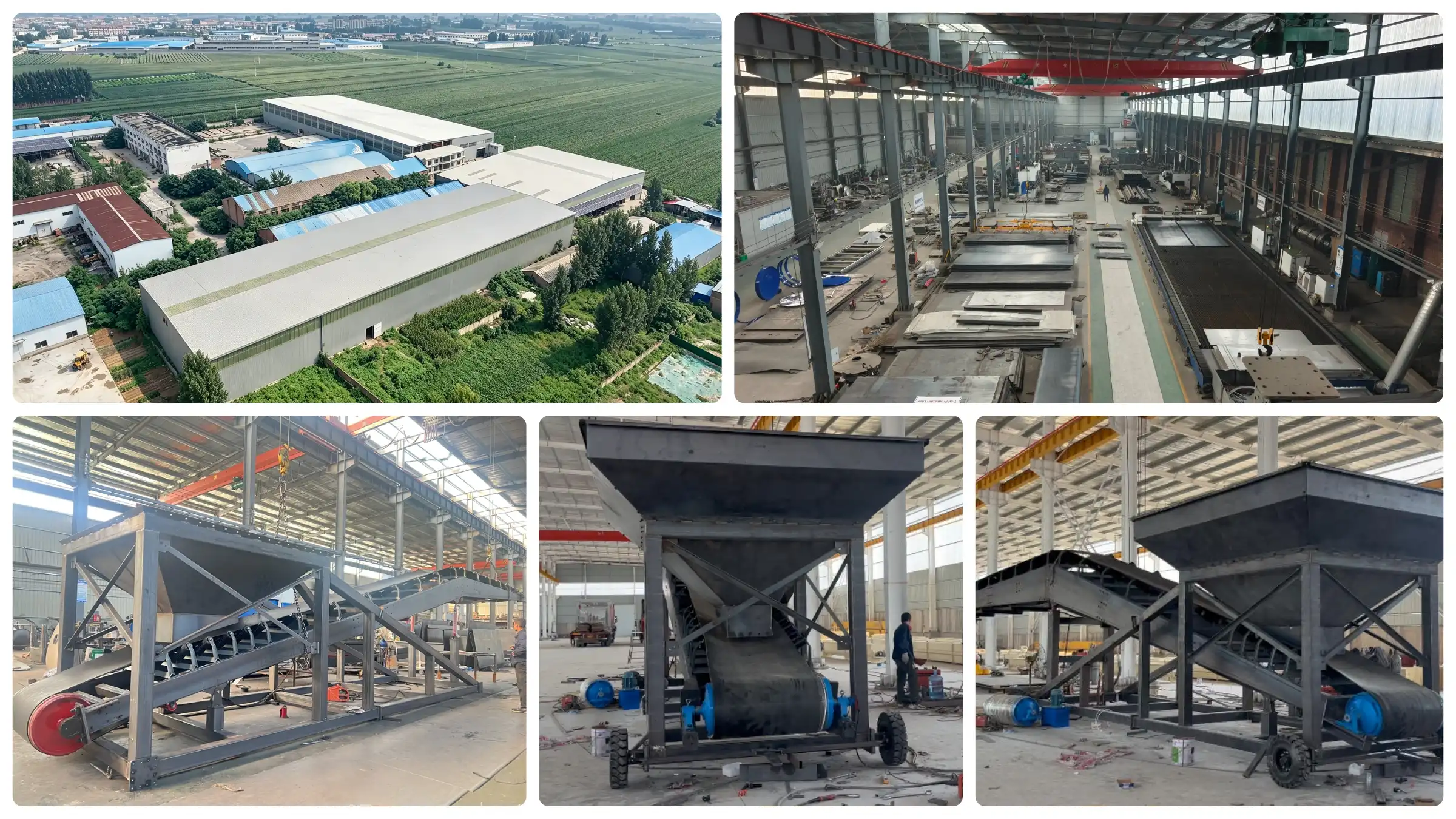
- Equipment Manufacturing: Production and assembly of conveyor frames, drive assemblies, rollers and material transfer components for different industrial applications.
- Custom Engineering: Conveyor dimensions, structural arrangements, belt selection and feeding systems are reviewed against material and site requirements.
- Quality Inspection: Equipment components, assembly, belt alignment and drive operation are checked according to applicable inspection requirements.
- Technical & Export Support: Assistance with product specifications, equipment documentation, packing arrangements and installation-related technical questions.
Frequently Asked Questions
What conveyor belt is suitable for unloading shipping containers?
A mobile belt conveyor is suitable for transferring many dry bulk materials from a container unloading point to storage or downstream equipment. The conveyor should be selected according to material properties, unloading distance, required throughput and feeding method. Belt material and support structure must also match the operating conditions.
Can a belt conveyor unload 20ft and 40ft containers?
Yes, a belt conveyor can be incorporated into unloading systems for 20ft and 40ft shipping containers. However, conveyor length alone does not determine suitability. The container access point, material discharge method, working space and required discharge height must be considered. Additional feeding or container discharge equipment may be required.
What is the unloading capacity of a container belt conveyor?
The unloading capacity depends on belt width, belt speed, material bulk density, loading cross-section and conveyor inclination. Sanyuantang’s published DY series conveyor specifications list nominal capacities from 40 to 300 t/h for different models. These are general conveying ratings rather than guaranteed container unloading rates. Actual performance must be calculated for the material and unloading arrangement.
Can the conveyor height be adjusted for different containers?
Yes. Height-adjustable mobile belt conveyor configurations are available. The required adjustment range depends on the container position, unloading equipment and receiving point. Conveyor inclination and the selected belt design must also be checked to prevent material rollback or spillage.
Can a container unloading conveyor operate without a loading dock?
A suitable mobile conveyor system can be configured for ground-level unloading without a loading dock. The receiving height, container floor elevation and feeding arrangement must be assessed. A standard inclined belt conveyor may require additional equipment to remove materials from the container before they reach the belt.
What materials can a container unloading conveyor handle?
Depending on the configuration, belt conveyors can handle grain, fertilizer, sand, gravel, mineral granules, coal and other suitable bulk materials. Belt construction, drive power and transfer components are selected according to particle size, bulk density, moisture content and abrasiveness.
Can the conveyor be used for both loading and unloading containers?
Some belt conveyor configurations can be used for both loading and unloading by changing the equipment position or conveying direction. Reversible operation requires a compatible drive system, belt tracking arrangement, tensioning system and appropriate feeding and discharge components. It should be specified during equipment selection.